
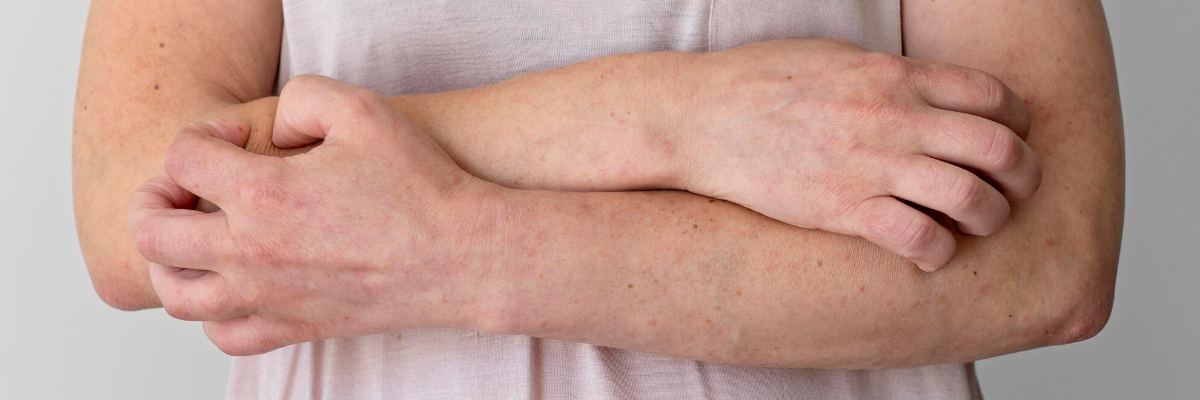
Hives, known medically as urticaria, are red, itchy welts that appear on the skin’s surface. They can be an alarming and intensely uncomfortable experience. Understanding the common hives symptoms and potential triggers is the first step toward finding effective hives treatment and long-term hives relief. While many cases are temporary, a clear strategy for hives prevention is essential for those who experience them frequently. This guide provides comprehensive information on hives, the related condition angioedema, and when you should seek professional medical care.
At Doral Health & Wellness, we are proud of our commitment to providing integrated, interdisciplinary health services to our community. Our expert physicians are dedicated to delivering trusted medical treatments and personalized guidance for complex skin and allergy conditions. We invite you to connect with our innovative medical facility for comprehensive and supportive care.
Identifying Hives Symptoms and Angioedema
Hives appear as raised, often pale-centered welts or bumps on the skin. They can vary in size, appear anywhere on the body, and may seem to move around, with old welts fading as new ones form.
Key Characteristics of Hives
- Appearance – They present as swollen, red patches on the skin, a phenomenon known as wheals.
- Sensation – The most prominent symptom is intense itching. They can also cause a burning or stinging sensation.
- Blanching – When pressed, the center of a hive will often turn white.
- Duration – Individual hives typically last for a few hours, and a single outbreak rarely lasts longer than 24 hours. When outbreaks recur for more than six weeks, the condition is considered chronic.
Understanding Angioedema
Angioedema is a related condition that involves swelling in the deeper layers of the skin. It often occurs alongside hives but can happen on its own.
- Location – It most commonly affects the face, lips, tongue, throat, hands, and feet.
- Sensation – Instead of itching, angioedema usually causes a feeling of fullness, pressure, or pain in the swollen area.
- When to Worry – Swelling of the tongue or throat is a medical emergency, as it can block the airway and make breathing difficult.
Uncovering the Causes and Triggers
Hives and angioedema are the result of the body releasing histamine and other chemicals into the bloodstream. This can be triggered by a wide range of factors, although in many cases of chronic hives, the specific cause is never identified (idiopathic).
Common Triggers for Acute Hives
- Allergic Reactions – To foods (like nuts, shellfish, and eggs), medications (like penicillin and aspirin), insect stings, or latex.
- Infections – Both viral and bacterial infections can trigger hives.
- Environmental Factors – Exposure to sunlight, heat, cold, or water.
- Physical Pressure – A condition called dermatographism, where scratching or firm stroking of the skin causes hives to appear.
- Stress – Emotional stress can be a significant trigger for some individuals.
A consultation with the best allergy doctor is the most reliable way to investigate and identify potential triggers through a detailed history and testing.
Comprehensive Hives Treatment for Lasting Relief
The primary goal of hives treatment is to manage symptoms and provide comfort. The approach depends on whether the hives are acute or chronic.
Immediate Hives Relief and At-Home Care
- Cool Compresses – Applying a cool, damp cloth to the affected areas can help soothe itching.
- Loose Clothing – Wear smooth-textured, loose-fitting cotton clothing to avoid irritating the skin.
- Avoid Triggers – If you know what causes your hives, do your best to avoid it.
Medical Treatment Options
- Antihistamines – This is the cornerstone of hives treatment. Non-drowsy, over-the-counter antihistamines like loratadine, cetirizine, or fexofenadine are typically the first-line treatment. An allergist may prescribe stronger doses or different types if these are not effective.
- Corticosteroids – For severe outbreaks, a short course of an oral steroid like prednisone can quickly reduce inflammation and swelling.
- Biologic Medications – For chronic hives that do not respond to antihistamines, an injectable medication called omalizumab (Xolair) can be highly effective.
An experienced allergy doctor NY can determine the most appropriate treatment ladder for your specific condition.
Focus on Hives Prevention
For those with recurrent or chronic hives, hives prevention is centered on trigger avoidance and consistent management. Keeping a detailed diary can be incredibly helpful for this.
Steps for Prevention
- Track Your Symptoms – Keep a log of your daily activities, the foods you eat, and any medications you take to help identify patterns or potential triggers for your hives.
- Manage Stress – If stress is a trigger, incorporate stress-management techniques into your routine, such as mindfulness, yoga, or regular exercise.
- Communicate with Your Doctor – Work closely with your healthcare provider to find a long-term medication plan that keeps your symptoms under control. Finding the best allergy doctor near me who will partner with you is crucial for managing chronic conditions.
Your Partner in Allergy and Skin Health
Hives and angioedema can be distressing, but they are manageable conditions. Understanding your hives symptoms and taking a proactive approach to hives treatment and hives prevention can provide significant hives relief. While most cases are not dangerous, it is critical to recognize the signs of a severe reaction, such as swelling of the throat, and seek emergency care immediately. Partnering with a knowledgeable physician is the key to a successful management plan.
For expert and compassionate allergy care in the East New York community, trust the specialists at Doral Health & Wellness. Our dedicated team provides advanced diagnostics and comprehensive services to accurately identify and manage conditions like hives and angioedema. To schedule a consultation with the best allergy doctor and create a personalized plan for relief, contact Doral Health & Wellness today at 1-718-365-2555 or visit us at 1797 Pitkin Avenue, Brooklyn, New York 11212. For general information about Doral Health & Wellness services, you can contact or email info@doralhw.org.