
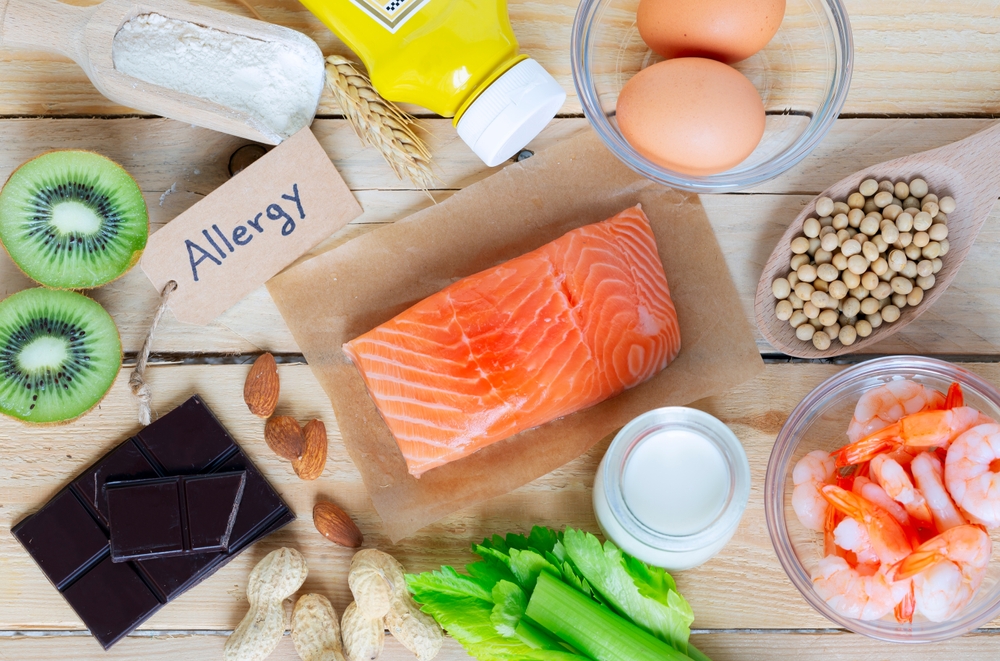
Navigating the world with a food allergy can be a constant challenge. For millions of people, a simple meal can pose a serious health risk. While hundreds of foods can cause adverse reactions, a small group is responsible for the vast majority of cases. Understanding the top 9 food allergens is essential for anyone managing common food allergies. These nine foods account for about 90% of all food-allergic reactions in the United States. This guide will walk you through each one, explaining why they cause reactions and how to stay safe. At Doral Health & Wellness, we have all the answers you need.
What Are the Top 9 Food Allergens?
In the United States, federal law requires that the most common food allergies be clearly identified on food labels. This list, often called the “Big 8,” was recently expanded. As of January 1, 2023, sesame was added, creating the new “Big 9.” These are the foods most likely to cause a significant or severe allergic reaction. Knowing this list is the first step in protecting yourself or a loved one.
The top 9 food allergens are:
- Milk
- Eggs
- Peanuts
- Tree Nuts
- Fish
- Shellfish
- Soy
- Wheat
- Sesame
Let’s take a closer look at each one.
- Milk
Milk allergies are one of the most common food allergies, especially in infants and young children. It is an immune response to the proteins in cow’s milk, such as casein and whey. A milk allergy is different from lactose intolerance, which is a digestive issue, not an immune reaction.
- Commonly Found In: Cheese, butter, yogurt, ice cream, and many baked goods and processed foods.
- Eggs
An egg allergy is also very common in childhood, though many children outgrow it. The allergy is typically to the proteins found in either the egg white or the yolk.
- Commonly Found In: Baked goods (like cakes and muffins), mayonnaise, pasta, and some foam toppings on coffee drinks.
Peanut allergies are one of the most well-known and severe food allergies, often causing life-threatening anaphylaxis. Peanuts are legumes, not nuts, and grow underground.
- Commonly Found In: Peanut butter, candy, baked goods, and many Asian and African cuisines. Cross-contamination is a significant risk.
This category includes a wide variety of nuts that grow on trees. An allergy to one type of tree nut increases the likelihood of being allergic to others.
- Examples: Almonds, walnuts, pecans, cashews, pistachios, and Brazil nuts.
- Commonly Found In: Pesto, cereals, granola bars, and as flavorings in extracts.
- Fish
Fin fish allergies, like those to cod, tuna, and salmon, can develop at any age. The allergy is to the protein in the fish flesh. Cooked fish can be more allergenic for some people, as the heating process can change the protein structure.
- Commonly Found In: Worcestershire sauce, Caesar dressing, and some imitation crab products.
- Shellfish
Shellfish are a common cause of severe allergic reactions in adults. This category is divided into two groups:
- Crustaceans: Shrimp, crab, lobster, crayfish.
- Mollusks: Clams, mussels, oysters, scallops.
An allergy to one group does not necessarily mean an allergy to the other, but an allergist can provide a precise diagnosis.
- Soy
Soy is another common allergen, particularly in infants. It is derived from soybeans and is a staple ingredient in many processed foods.
- Commonly Found In: Tofu, edamame, soy milk, soy sauce, and as a filler ingredient in many processed meats and baked goods.
- Wheat
A wheat allergy is an immune reaction to the proteins in wheat. This is different from celiac disease, which is an autoimmune disorder triggered by gluten, a specific protein found in wheat, barley, and rye.
- Commonly Found In: Bread, pasta, crackers, beer, soy sauce, and many processed foods.
- Sesame
The newest addition to the major allergen list, sesame allergies, is becoming more common. The tiny seeds can pack a powerful allergic punch.
- Commonly Found In: Breads (like hamburger buns), tahini, hummus, and various Asian and Middle Eastern dishes.
Managing Common Food Allergies
Living with a food allergy requires constant vigilance. The primary management strategy is strict avoidance of the allergen.
- Read Labels Carefully: Always check the ingredients list on packaged foods. U.S. law requires that the top 9 food allergens be listed clearly.
- Prevent Cross-Contamination: Use separate cutting boards, utensils, and cooking surfaces for allergenic and non-allergenic foods.
- Communicate Your Needs: When dining out, inform the restaurant staff about your food allergy to ensure your meal is prepared safely.
When to See a Specialist
If you suspect you or your child has a food allergy, self-diagnosis is not enough. It is crucial to see a board-certified allergist for proper testing and diagnosis. They can perform skin-prick tests or blood tests to accurately identify your triggers and determine the severity of your allergy.
A specialist at an immunology clinic in Brooklyn can provide a comprehensive management plan. This plan will include education on avoidance, recognizing symptoms of a reaction, and creating an emergency action plan. For severe allergies, this will involve a prescription for an epinephrine auto-injector and training on how to use it.
Understanding the top 9 food allergens is the foundation of food allergy safety. While managing these conditions can be daunting, knowledge is power. By carefully reading labels, communicating your needs, and working with a qualified medical professional, you can navigate the world safely and confidently. If you have concerns about food allergies, consulting with a specialist at an immunology clinic in Brooklyn is the best next step to ensure your health and well-being. Call us on + 1-718-367-2555 to book your appointment now to receive best-in-class treatment that helps prevent or manage your allergies for a better life. Take action now, before it’s too late! If you need help, register your information at https://yuz88hfiyh7.typeform.com/Doralintake. Or visit us at 1797 Pitkin Avenue, Brooklyn, NY 11212.