Your heart is an incredibly powerful and resilient organ, beating around 100,000 times a day to pump blood throughout your body. This vital function depends on a perfectly coordinated system, with the heart valves playing the role of gatekeepers. When these gates malfunction, it can lead to a range of health issues. Understanding your heart valves and associated conditions is crucial for recognizing symptoms and seeking timely care. The term for these issues, heart valve diseases, covers several problems that can disrupt blood flow and strain your heart. This guide will explore how your heart valves work and the common conditions that can affect them. Get a consultation with the best cardiologists in Brooklyn.
The Role of Heart Valves and How They Work
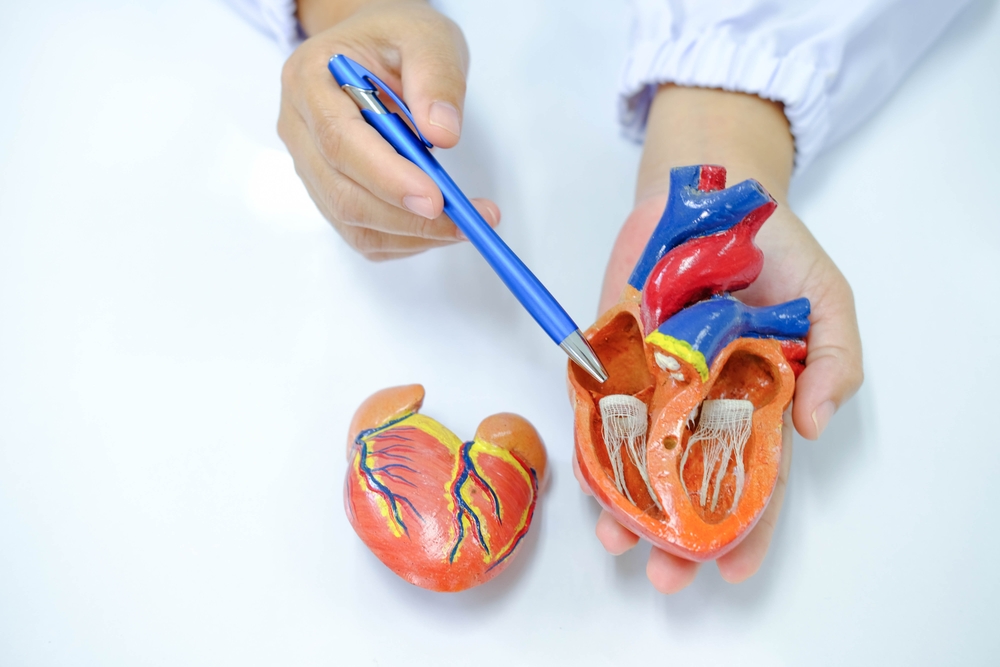
Your heart has four valves: the tricuspid, pulmonary, mitral, and aortic valves. Each valve consists of thin but strong flaps of tissue, called leaflets or cusps, that open and close with every heartbeat. Their job is to ensure that blood flows in only one direction through the heart’s four chambers.
- The tricuspid and mitral valves control blood flow from the upper chambers (atria) to the lower chambers (ventricles).
- The pulmonary and aortic valves control blood flow out of the ventricles and into the rest of the body.
When all four valves are working correctly, your heart can efficiently pump blood to your lungs and body. Problems arise when one or more of these valves fail to open or close properly.
Common Heart Valve Diseases and Conditions
Heart valve diseases occur when a valve is damaged or defective. These conditions can be present at birth (congenital) or develop later in life due to infections, heart attacks, or age-related changes. The two main types of valve problems are stenosis and regurgitation.
Valvular Stenosis: The Narrowing of a Valve
Stenosis occurs when a valve’s leaflets become stiff, thickened, or fused together. This narrows the valve opening, making it harder for blood to pass through. As a result, the heart must work harder to pump blood, which can lead to fatigue and strain on the heart muscle over time. The most common types are:
- Aortic Stenosis: Narrowing of the aortic valve, which restricts blood flow from the heart to the rest of the body.
- Mitral Stenosis: Narrowing of the mitral valve, which obstructs blood flow from the left atrium to the left ventricle.
Valvular Regurgitation: The Leaking of a Valve
Regurgitation, also known as insufficiency or incompetence, happens when a valve doesn’t close tightly. This allows some blood to leak backward (regurgitate) into the chamber it just left. To compensate, the heart has to pump more blood with each beat, which can cause the heart to become enlarged and weakened. Common types include:
- Mitral Regurgitation: The mitral valve leaks, allowing blood to flow back into the left atrium.
- Aortic Regurgitation: The aortic valve allows blood to leak back into the left ventricle.
- Mitral Valve Prolapse: A common condition where the mitral valve leaflets bulge back into the left atrium during a heartbeat. It can sometimes lead to regurgitation.
Symptoms of heart valve diseases can develop slowly and may include shortness of breath, chest pain, fatigue, dizziness, or heart palpitations.
Diagnosis and Management of Valve Conditions
If you experience any symptoms of heart valve disease, it’s essential to see a doctor. The diagnostic process usually starts with a physical exam, where your doctor will listen to your heart with a stethoscope to detect any abnormal sounds, known as a heart murmur.
If a murmur or other signs are present, you will likely be referred to a cardiologist. Further tests may be ordered to confirm the diagnosis and assess the severity of the condition. The most common diagnostic tool is an echocardiogram, an ultrasound that provides detailed images of your heart’s structure and function, including the valves.
Treatment Options
The treatment for heart valve disease depends on the specific condition, its severity, and your overall health.
- Monitoring: For mild cases, a “watchful waiting” approach with regular check-ups may be all that is needed.
- Medication: While medications cannot fix a damaged valve, they can help manage symptoms and reduce the strain on your heart. This may include drugs to control blood pressure, reduce fluid retention, or regulate heart rhythm.
- Surgical Intervention: For severe cases, surgery may be required to repair or replace the damaged valve. Valve repair is often preferred, but if the valve is too damaged, a replacement with a mechanical or biological (tissue) valve is performed.
Partnering with a Specialist for Your Heart Health
Managing heart valves and associated conditions is a long-term process that requires expert medical care. Building a strong relationship with a cardiologist is key to monitoring your condition and making informed decisions about your treatment.
For those in New York, a dedicated cardiology clinic in Brooklyn can provide comprehensive care, from initial diagnosis to advanced treatment and long-term management. Specialists at a trusted cardiology clinic in Brooklyn have the expertise to handle the full spectrum of heart valve diseases, ensuring you receive the highest standard of care tailored to your specific needs.
Your heart valves are essential for a healthy, functioning circulatory system. While heart valve diseases are serious, modern medicine offers effective ways to manage symptoms and repair damage. Early detection and consistent medical supervision are crucial for preventing complications and maintaining a good quality of life. If you have any concerns about your heart health or are experiencing potential symptoms, taking action is the most important step.
Do not ignore signs like shortness of breath or chest pain. Contact our cardiologists today to schedule an evaluation with a specialist who can provide the answers and care you need to protect your heart. For any cardiovascular problems, call us on +1 718 367 2555. The Cardiologists at Doral Health & Wellness consistently have outstanding patient satisfaction ratings. If you need help, register your information at https://yuz88hfiyh7.typeform.com/Doralintake. The professionals at Doral Health & Wellness Cardiology Brooklyn can improve your health and quality of life because of their vast training and experience. New Yorkers can get the best cardiovascular care at Doral Health & Wellness Brooklyn. Visit us at 1797 Pitkin Avenue, Brooklyn, NY 11212.