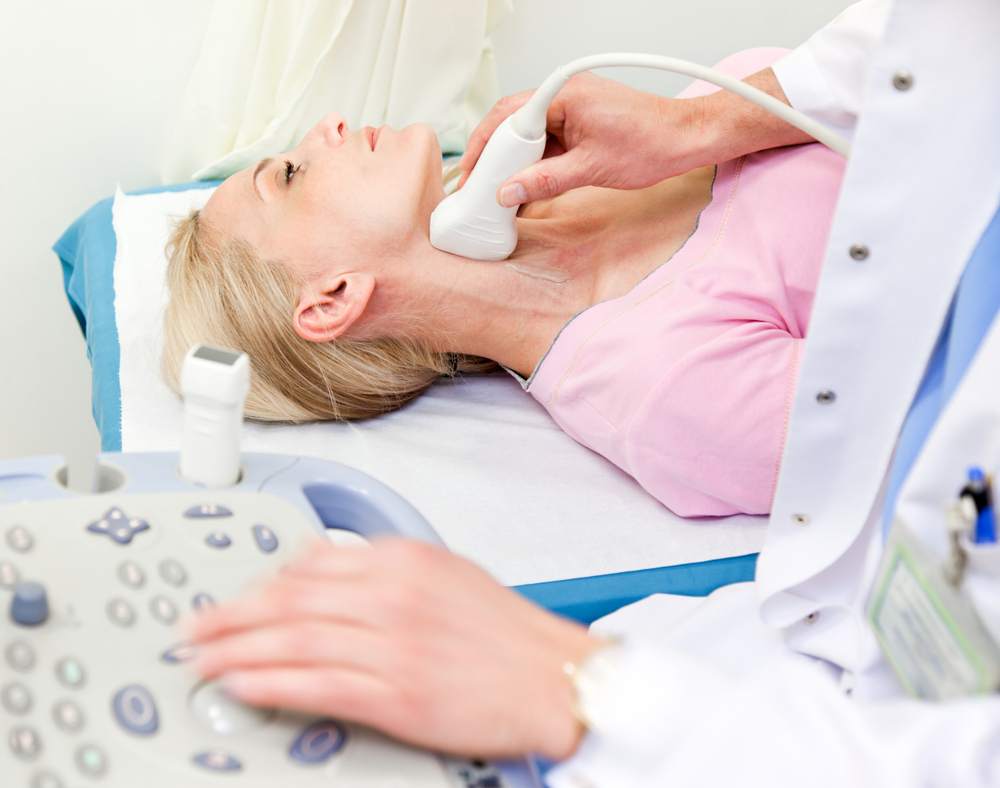
Did your doctor recommend a carotid ultrasound, but you don’t know about it? A carotid ultrasound is a test that is used to diagnose blocked carotid arteries located on both sides of your neck with the help of sound waves that produce images on the computer for a doctor to examine. It is a simple and painless test. Don’t worry, this article helps you understand the carotid ultrasound procedure step-by-step and what you should expect from its result. Get a consultation with the best cardiologists in Brooklyn.
Procedure: What to Expect During a Carotid Ultrasound
Carotid ultrasound is a safe, painless, and highly effective diagnostic procedure used to examine the health of your carotid arteries — the major blood vessels in your neck that supply blood to the brain. Understanding the procedure in detail helps ease anxiety and prepares you for a smooth experience.
🩺 Pre-Procedure Guidelines
Before undergoing a carotid ultrasound, there are a few simple but important preparation steps to follow:
Avoid smoking or consuming caffeine for at least 2 hours prior to the test. Both substances can constrict your blood vessels and interfere with the accuracy of the ultrasound results.
Wear a loose, open-neck shirt or comfortable clothing that allows easy access to your neck area.
Remove any necklaces or earrings that may obstruct the scan area.
No fasting or special medication is required unless instructed by your healthcare provider.
⚙️ Carotid Ultrasound Step-by-Step Process
The carotid ultrasound procedure typically takes 15 to 30 minutes and is performed in a quiet, controlled environment like an imaging or ultrasound lab. Here’s what happens during the procedure:
Positioning: You’ll be asked to lie flat on an exam table with your head turned slightly to one side and tilted back gently.
Gel Application: A warm, water-based gel is applied to both sides of your neck. This gel helps the ultrasound waves travel efficiently through the skin.
Image Capture: The technician uses a handheld device called a transducer to glide along your neck. It emits sound waves and captures real-time images of your carotid arteries.
Sound Feedback: As the transducer moves, you may hear a whooshing sound, which represents your blood flow. This auditory feedback is completely normal.
Image Recording: The device sends images to a monitor where they are recorded and later reviewed by a radiologist or cardiologist.
Results: Understanding What Comes After a Carotid Ultrasound
A carotid ultrasound is often the first and most informative step in evaluating the health of your carotid arteries. In many cases, this non-invasive imaging test can effectively rule out the presence of carotid artery disease, giving both patients and physicians peace of mind. However, if the scan reveals potential blockages, narrowing, or abnormalities in blood flow, your doctor may recommend additional diagnostic tests for a more comprehensive assessment.
🧠 If Carotid Artery Disease is Detected
When a carotid ultrasound indicates signs of plaque buildup or artery narrowing, your physician will tailor a treatment plan based on the severity of the blockage, the presence of symptoms (such as dizziness, vision problems, or previous transient ischemic attacks), and your overall cardiovascular health.
Depending on your specific condition, your treatment options may include:
🔧 Surgical and Minimally Invasive Procedures
Carotid Endarterectomy: A surgical procedure where the plaque is physically removed from the carotid artery to restore normal blood flow.
Carotid Angioplasty and Stenting: In this less invasive approach, your doctor uses a catheter to reach the narrowed artery. A small balloon is inflated to flatten the plaque, and a stent (a wire mesh tube) is inserted to keep the artery open and reduce the risk of stroke.
These procedures are typically recommended for patients with moderate to severe artery blockages or those who have already experienced stroke-like symptoms.
💊 Medication-Based Management
If your condition doesn’t yet require surgical intervention, or to complement procedures, your doctor may prescribe medications such as:
Thrombolytics: To dissolve dangerous clots that can obstruct blood flow.
Aspirin or Clopidogrel: To reduce the risk of new clots forming by thinning the blood.
Statins: To lower LDL cholesterol and slow plaque progression.
Antihypertensives: To manage high blood pressure, which is a key risk factor in vascular disease.
🌿 Lifestyle Recommendations for Long-Term Vascular Health
Even after a successful carotid ultrasound and treatment, lifestyle changes are critical to prevent the progression or recurrence of carotid artery disease:
Adopt a heart-healthy diet: Focus on fresh fruits, leafy vegetables, whole grains, legumes, nuts, and lean protein. Diets like the Mediterranean diet are often recommended for improving vascular function.
Exercise regularly: Aim for at least 30 minutes of moderate activity most days of the week (as approved by your doctor).
Achieve and maintain a healthy weight: Obesity is a significant risk factor for both high blood pressure and cholesterol.
Avoid smoking: Tobacco damages the inner lining of arteries, accelerates plaque buildup, and raises your stroke risk. Steer clear of secondhand smoke as well.
Manage stress and monitor other conditions like diabetes, high blood pressure, and high cholesterol through routine medical care.
Precautions
Carotid ultrasound is a risk-free procedure. You may feel pressure on your neck which may make you uncomfortable when the transducer pushes on your neck but that doesn’t cause pain and is not harmful anyway.
This is the step-by-step guide to carotid ultrasound which helps to diagnose carotid artery disease and several other conditions such as stroke. Your results decide whether you need more testing or treatment to manage your condition.
If you need more information about other cardiology tests that your doctor may order, call us on +1(347) 384-5690. The Cardiologists at Doral Health & Wellness consistently have outstanding patient satisfaction ratings. The professionals at Heart Specialist Brooklyn are able to greatly improve their patient’s health and quality of life because of their vast training and experience. New Yorkers can get the greatest medical, surgical, and cardiovascular care at Doral Health & Wellness Brooklyn. Visit us at 1797 Pitkin Avenue, Brooklyn, NY 11212.