
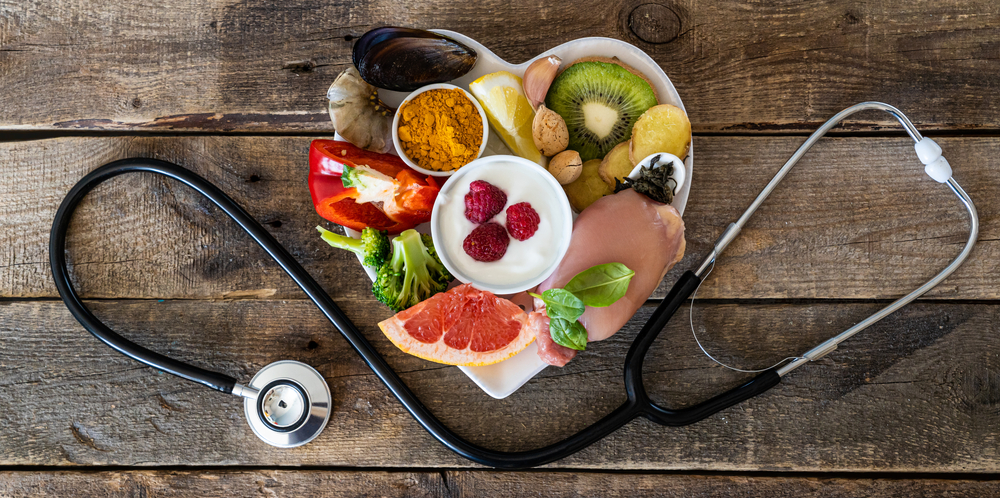
For decades, the conversation around heart health has focused on well-known factors like diet, exercise, cholesterol, and blood pressure. While these remain critically important, a new and exciting field of research is revealing a powerful, previously overlooked player in cardiovascular wellness: your gut. The intricate connection between the gut microbiome and heart health is opening up a new frontier in medicine. Scientists are now discovering exactly how gut health reduces cardiovascular risk, paving the way for personalized strategies to protect our most vital organ. This emerging science is changing how we think about preventing and managing heart disease. Get a consultation with the best cardiologists in Brooklyn.
Understanding the Gut-Heart Axis
Your gut is home to trillions of microorganisms, including bacteria, viruses, and fungi, collectively known as the gut microbiome. This complex ecosystem plays a vital role in digestion, immunity, and even mood. The gut-heart axis refers to the constant communication between your gut microbiome and your cardiovascular system. This dialogue happens through various pathways, including metabolic and immune signals.
When your gut microbiome is balanced and diverse—a state known as symbiosis—it produces beneficial compounds that support overall health. However, when it’s imbalanced—a state called dysbiosis—it can produce harmful metabolites that contribute to cardiovascular disease.
How an Unhealthy Gut Contributes to Cardiovascular Risk
An imbalanced gut microbiome can negatively impact heart health in several key ways. Understanding these mechanisms is crucial for appreciating the link between the gut microbiome and heart health.
The TMAO Connection
One of the most studied links involves a compound called trimethylamine N-oxide (TMAO).
- Formation: Certain gut bacteria feast on nutrients like choline and L-carnitine, which are abundant in red meat, egg yolks, and full-fat dairy products.
- Process: These bacteria convert these nutrients into a gas called trimethylamine (TMA). The TMA is absorbed into the bloodstream, travels to the liver, and is converted into TMAO.
- The Problem: High levels of TMAO are strongly linked to an increased risk of atherosclerosis (the hardening and narrowing of arteries), heart attack, and stroke. It promotes inflammation in the blood vessels and makes platelets stickier, increasing the risk of blood clots.
Systemic Inflammation
Your gut lining acts as a barrier, keeping harmful substances contained. In a state of dysbiosis, this barrier can become “leaky,” a condition known as increased intestinal permeability. This allows bacterial toxins, like lipopolysaccharides (LPS), to escape into the bloodstream. The immune system recognizes these toxins as invaders, triggering a low-grade, chronic inflammatory response throughout the body. This systemic inflammation is a well-established driver of atherosclerosis and heart disease.
Impact on Traditional Risk Factors
The gut microbiome also influences traditional cardiovascular risk factors:
- Blood Pressure: Certain gut bacteria help produce short-chain fatty acids (SCFAs), like butyrate, which have been shown to help regulate blood pressure. An imbalance can lead to lower SCFA production.
- Cholesterol: Your gut microbiome can affect how your body metabolizes cholesterol and lipids, influencing your overall cholesterol levels.
How Gut Health Reduces Cardiovascular Risk: Actionable Steps
The good news is that your gut microbiome is not static; you can actively shape it through diet and lifestyle. Improving your gut health is a powerful strategy for reducing your cardiovascular risk. A cardiologist who is knowledgeable about this connection can help guide you.
Nurture Your Microbiome with Diet
- Focus on Fiber: Prebiotic fiber, found in fruits, vegetables, whole grains, and legumes, is the preferred food for beneficial gut bacteria. Aim for a wide variety of plant-based foods to promote a diverse microbiome.
- Embrace Fermented Foods: Foods like yogurt, kefir, sauerkraut, and kimchi contain live beneficial bacteria (probiotics) that can help restore balance to your gut.
- Limit Red and Processed Meats: Since these are high in the precursors to TMAO, moderating your intake can help keep TMAO levels in check.
- Choose Healthy Fats: Polyphenol-rich olive oil and omega-3 fatty acids found in fatty fish can help reduce inflammation and support a healthy gut.
The Role of Probiotics and Prebiotics
While a food-first approach is best, targeted supplements may be beneficial. Prebiotic supplements provide concentrated fiber, while probiotic supplements introduce specific beneficial bacterial strains. It’s best to discuss this with a healthcare provider.
The Future: Personalized Cardiology
This new understanding of the gut microbiome and heart health is leading to more personalized medical care. In the future, a visit to a cardiology clinic in Brooklyn might include an analysis of your gut microbiome. This could allow your doctor to identify specific imbalances and tailor dietary recommendations or even prescribe specific probiotics (“psychobiotics”) to lower your personal cardiovascular risk profile.
This approach moves beyond generic advice and toward a strategy that is unique to your body’s specific needs.
Take Charge of Your Heart Health
The link between your gut and your heart is undeniable. By nurturing a healthy, diverse gut microbiome, you are taking a proactive and powerful step toward protecting your cardiovascular system. This is not about a fad diet; it’s about a sustainable lifestyle that supports the trillions of allies living within you.
If you have concerns about your heart health or want to learn more about integrating these strategies into your life, it’s time to speak with a professional. Contact a cardiologist or a forward-thinking cardiology clinic in Brooklyn to schedule a consultation and begin your personalized journey to better heart health. For any cardiovascular problems, call us on +1 718 367 2555. The Cardiologists at Doral Health & Wellness consistently have outstanding patient satisfaction ratings. If you need help, register your information at https://yuz88hfiyh7.typeform.com/Doralintake. The professionals at Doral Health & Wellness Cardiology Brooklyn can improve your health and quality of life because of their vast training and experience. New Yorkers can get the best cardiovascular care at Doral Health & Wellness Brooklyn. Visit us at 1797 Pitkin Avenue, Brooklyn, NY 11212.



