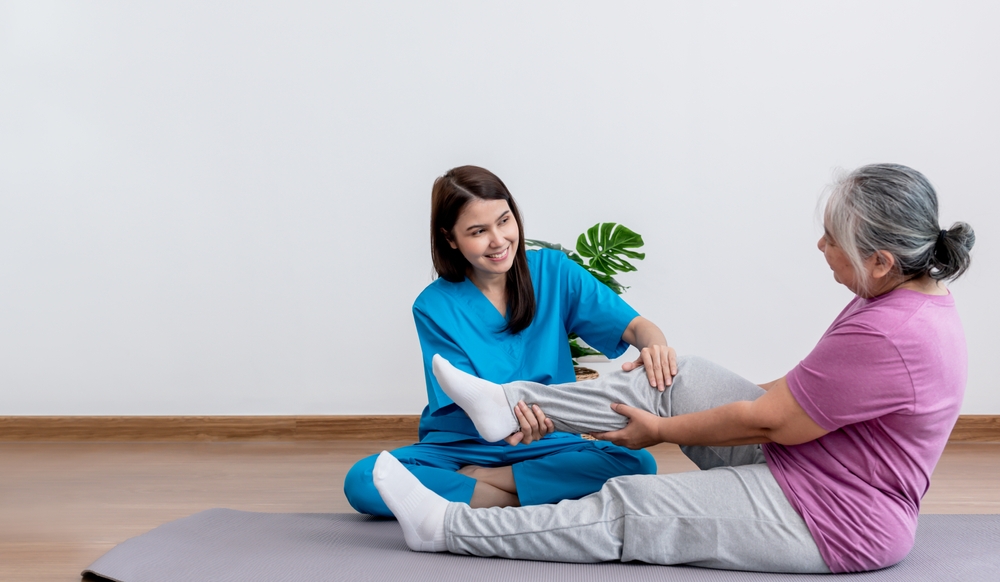
Are you worried that working out might trigger complications because of your arrhythmia? You’re not alone. Many people living with irregular heart rhythms avoid physical activity out of fear—but avoiding movement altogether can actually do more harm than good. The truth is, regular physical activity plays a crucial role in maintaining cardiovascular health, even for those with arrhythmias. With the right arrhythmia exercise plan tailored to your condition, you can safely stay active, strengthen your heart, and improve your overall quality of life.
In this article, we’ll walk you through expert-backed recommendations for arrhythmia exercise routines that are safe, low-impact, and beneficial for your heart. We’ll also highlight the importance of listening to your body, recognizing warning signs, and working closely with a healthcare provider to personalize your activity levels. Whether you’re newly diagnosed or looking to get back into a routine, these arrhythmia exercise strategies will help you stay confident, informed, and heart-healthy. For personalized guidance and peace of mind, don’t hesitate to book a consultation with one of the best cardiologists in Brooklyn.
Dos and Don’ts – Arrhythmia Exercises
Here are some dos and don’ts to keep your heart healthy and manage arrhythmia triggers, including:
Do’s
- Monitor your caffeine intake:
When managing arrhythmias, one of the most important lifestyle adjustments you can make is watching your caffeine consumption. While caffeine isn’t universally harmful, it can be a major trigger for some people living with irregular heart rhythms. Coffee, energy drinks, and even certain teas can elevate your heart rate or increase the likelihood of palpitations—making it essential to understand your body’s response.
There’s no one-size-fits-all rule for caffeine and arrhythmias because triggers vary. Some individuals can enjoy two cups of coffee daily without any side effects, while others might feel their heart flutter or experience skipped beats after just a few sips. If you’ve noticed that caffeine seems to spark your symptoms, you may need to reduce your intake—or eliminate it entirely.
Pay attention to how your body reacts and adjust accordingly. It’s not just about coffee, either. Energy drinks are particularly risky: while an average 8-ounce cup of coffee contains about 100 mg of caffeine, many energy drinks pack over 200 mg in a single serving. These beverages also often contain additional stimulants that may worsen arrhythmia symptoms and raise blood pressure.
Proper caffeine management is especially important if you’re engaging in any arrhythmia exercise routine. Physical activity already raises your heart rate, and combining it with excessive caffeine can create unnecessary stress on your cardiovascular system. If you plan to work out, it’s best to limit caffeine intake beforehand and stay hydrated with water or electrolyte drinks that don’t include stimulants.
By being mindful of caffeine, you can reduce your risk of arrhythmia episodes and safely participate in an arrhythmia exercise program that supports your heart health and well-being.
- Stay physically active:
Staying physically active is one of the best things you can do for your overall health, including your heart. However, if you have an irregular heartbeat, you might be worried that physical activity could trigger symptoms or make your condition worse. The good news is that the right arrhythmia exercise plan can strengthen your heart, improve circulation, reduce anxiety, and support your long-term cardiovascular health. You just need to approach it with caution and personalization.
When you engage in exercise, your body releases adrenaline—an energizing hormone that prepares your body for physical activity. For many people with arrhythmia, too much adrenaline can trigger or worsen abnormal heart rhythms. That’s why it’s important to carefully select the right types of arrhythmia exercise that won’t overstimulate your system. High-intensity workouts or heavy weightlifting routines might not be suitable, as they place extra stress on the heart and may cause unwanted spikes in heart rate or blood pressure.
Instead, aim for low- to moderate-intensity arrhythmia exercise routines that offer cardiovascular benefits without excessive strain. Cardio activities such as brisk walking, cycling, swimming, or dancing can be ideal options. These exercises gently increase heart rate and help improve endurance without pushing your heart beyond safe limits. Additionally, practices like yoga and tai chi can play a key role in your arrhythmia exercise routine by reducing stress levels, promoting relaxation, and helping to regulate your breathing—factors that are critical in preventing arrhythmic episodes.
Many patients are surprised to learn that yoga, often assumed to be risky, is actually beneficial as part of an arrhythmia exercise program. In fact, yoga has been linked to reductions in AFib episodes, improvements in heart rate variability, and enhanced emotional well-being. Breathing exercises and gentle stretches in yoga can help keep your nervous system balanced, which is especially important for those with arrhythmias triggered by stress or anxiety.
Before starting any new arrhythmia exercise plan, it’s crucial to consult with your cardiologist or healthcare provider. A tailored exercise program, based on your specific arrhythmia type and overall health, will help you stay safe while gaining all the benefits of physical activity. Your doctor can recommend the safest starting point, provide guidelines for monitoring your heart rate, and adjust your plan as needed.
In summary, arrhythmia exercise doesn’t mean giving up activity—it means choosing movement that supports and strengthens your heart in a smart, safe way. With the right approach and medical guidance, you can confidently stay active, enjoy better health, and reduce your risk of arrhythmia-related complications.
- Lose your weight:
Losing excess weight is one of the most powerful steps you can take to improve your heart health and reduce your risk of arrhythmias. Being overweight or obese doesn’t just strain your heart—it can actually contribute to the development or worsening of arrhythmia by increasing inflammation, elevating blood pressure, and altering the electrical signals in your heart. That’s why weight loss should be a key part of any strategy to manage irregular heartbeat.
Incorporating an arrhythmia exercise routine into your weight-loss journey is especially important. Regular physical activity not only helps you shed pounds safely but also strengthens your heart, improves blood circulation, and supports a more stable heart rhythm. Even moderate arrhythmia exercise, such as walking, swimming, or cycling, can make a big difference when paired with a heart-healthy diet and consistent lifestyle changes.
Many studies show that weight loss through supervised programs that include arrhythmia exercise significantly lowers the frequency and severity of atrial fibrillation (AFib) episodes. Additionally, people who successfully lose weight often see improvements in blood pressure, cholesterol levels, and blood sugar control—all of which are critical factors in maintaining a healthy heartbeat.
If you’re starting from a sedentary lifestyle, it’s important to begin slowly. A tailored arrhythmia exercise plan designed with your doctor or cardiac rehab specialist can help you get active in a safe and effective way. As your fitness improves and your weight decreases, your heart will thank you with fewer symptoms and a lower risk of complications.
In short, don’t underestimate the impact of weight loss on your heart rhythm. Combine it with a consistent arrhythmia exercise regimen, healthy eating, and regular check-ups to keep your heart beating strong and steady.
Don’ts
- Don’t exceed your alcohol intake:
Like caffeine, alcohol causes arrhythmias in some people while others can tolerate it. In case arrhythmia is caused by a weakened heart or a previous heart attack, then you should limit alcoholic drinks to one or two per night or even less.
It’s also important that you should monitor your alcohol intake if you have a certain type of arrhythmia called atrial fibrillation (A-Fib). Alcohol is a common cause of A-Fib, and recent studies also found both binge drinking and moderate drinking raise the risk of atrial fibrillation.
- Don’t skip your sleep:
The right amount of sleep helps you prevent arrhythmias by lowering your stress levels or making it easier to lose weight. Sleep also prevents you from feeling fatigued, which sometimes triggers an arrhythmia. That’s why you should aim for 7 to 9 hours of sleep per night.
Getting enough sleep is more important especially if you have sleep apnea, a sleeping disorder where breathing is interrupted during sleep. This condition can put stress on your heart and weaken the heart muscle, leading to arrhythmias like A-Fib. So, if you have sleep apnea, you need to see a specialist and get yourself treated. Even the best treatment for arrhythmias doesn’t work properly if you don’t fix your sleep apnea.
- Don’t ignore your arrhythmia – even when it’s benign:
Arrhythmia is generally harmless and doesn’t need treatment, however, it doesn’t mean you won’t have any symptoms. Just for the symptoms alone, you need treatment for an arrhythmia. Additionally, you need to watch your diet, exercise, and get enough sleep, to ensure your arrhythmia is in check. Also, follow these additional tips to prevent arrhythmia triggers:
- Don’t
- Talk with your doctor if you plan to visit high altitudes.
- Pay close attention to what causes your arrhythmia and remember that it’s different for everyone.
If you need help with your arrhythmias, visit our cardiology clinic in Brooklyn to get professional medical treatment. If you need tips on how to keep your heart healthy, call us on +1(347) 384-5690. The Cardiologists at Doral Health & Wellness consistently have outstanding patient satisfaction ratings. The professionals at Heart Specialist Brooklyn are able to greatly improve their patient’s health and quality of life because of their vast training and experience. New Yorkers can get the greatest medical, surgical, and cardiovascular care at Doral Health & Wellness Brooklyn. Visit us at 1797 Pitkin Avenue, Brooklyn, NY 11212.