
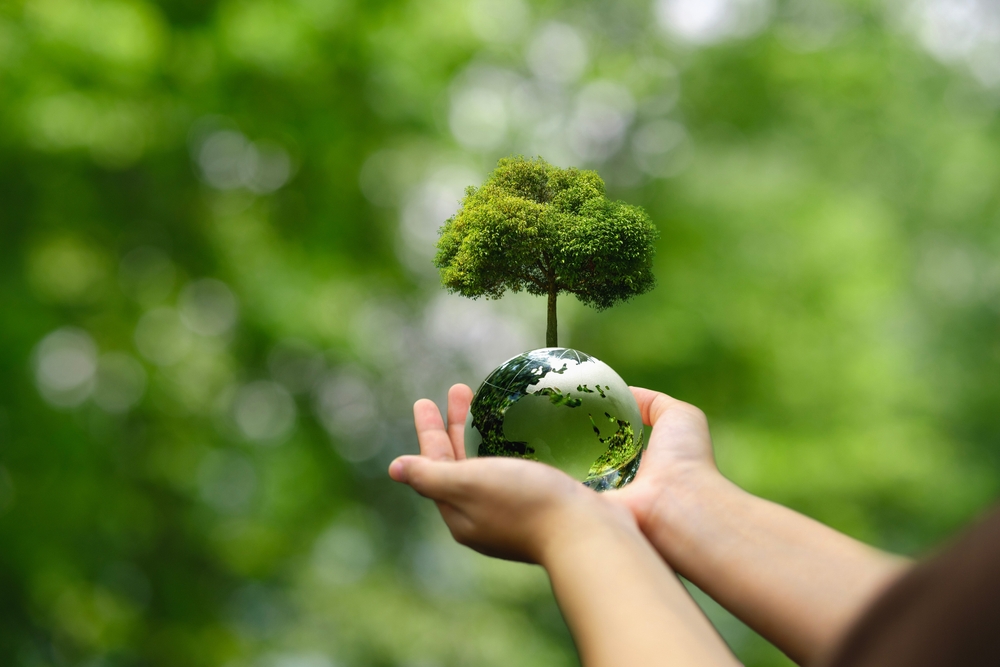
The growing awareness of environmental issues, from climate change to habitat loss, has a profound impact on our mental well-being. This has given rise to specific emotional responses, namely eco-anxiety and solastalgia. While not official diagnoses, these terms describe the genuine distress people feel in response to environmental degradation. Understanding the symptoms of eco-anxiety and the feeling of solastalgia is the first step toward managing these challenging emotions and finding a path toward resilience and action. This distress is a valid and increasingly common experience for people worldwide. Visit the best Mental Health Clinic in Brooklyn at Doral Health & Wellness, or log on to www.doralhw.org.
Understanding Eco-Anxiety and Solastalgia
The terms eco-anxiety and solastalgia describe two distinct, yet related, emotional responses to environmental change. Recognizing the difference is key to addressing the feelings they produce.
What is eco-anxiety?
Eco-anxiety is often described as a chronic fear of environmental doom. It’s a persistent worry about the future of the planet and the consequences of climate change for current and future generations. The American Psychological Association defines it as the stress caused by “watching the slow and seemingly irrevocable impacts of climate change, and worrying about the future for oneself, children, and later generations.”
Common triggers for eco-anxiety include:
- News reports about extreme weather events like hurricanes, wildfires, and floods.
- Scientific studies detailing biodiversity loss or rising global temperatures.
- Feelings of helplessness or frustration over perceived inaction by governments and corporations.
What is solastalgia?
Coined by philosopher Glenn Albrecht, solastalgia refers to the distress experienced when your home environment is negatively transformed by environmental change. It’s the feeling of homesickness you have when you are still at home. Unlike eco-anxiety, which is future-focused, solastalgia is tied to the lived experience of loss and change in a place you love. This could be a farmer watching their land suffer from drought, or a city dweller seeing beloved local parks paved over for development. It is the pain of losing a sense of place and solace.
Recognizing the Symptoms of Eco-Anxiety
The emotional and psychological toll of environmental concern can manifest in various ways. The symptoms of eco-anxiety can overlap with other anxiety disorders, making it important to recognize their specific context.
Emotional and Psychological Symptoms
- Persistent Worry and Rumination: Constantly thinking about climate change and environmental catastrophes.
- Feelings of Grief, Sadness, or Depression: Mourning the loss of ecosystems and species.
- Anger and Frustration: Directed at those perceived as responsible for the environmental crisis or those who deny its existence.
- Guilt or Shame: Feeling personally responsible for contributing to environmental problems through daily activities.
- Panic Attacks: Overwhelming episodes of fear triggered by environmental news or thoughts.
- Existential Dread: Questioning the meaning of life on a planet facing such significant challenges.
Physical and Behavioral Symptoms
- Sleep Disturbances: Difficulty falling or staying asleep due to worry.
- Changes in Appetite: Either overeating or loss of appetite as a response to stress.
- Obsessive Behaviors: Compulsively focusing on “eco-friendly” habits to an extent that it interferes with daily life.
- Social Withdrawal: Avoiding social situations or conversations about the future.
Coping Strategies and Building Resilience
While these feelings are a natural response to a real crisis, it is crucial to develop healthy coping mechanisms. Letting anxiety or grief become overwhelming can lead to burnout and inaction.
Acknowledge and Validate Your Feelings
The first step is to recognize that your feelings are valid. You are not alone in your concern for the planet. Sharing your feelings with trusted friends, family, or a support group can reduce feelings of isolation. Your anxiety is a sign that you care deeply, which is a source of strength.
Take Meaningful Action
Channeling anxiety into action can be incredibly empowering. This doesn’t mean you have to solve the climate crisis single-handedly. Focus on what you can control.
- Individual Actions: Make sustainable lifestyle changes that align with your values, such as reducing waste, conserving energy, or changing your diet.
- Community Involvement: Join local environmental groups, participate in community clean-ups, or advocate for green policies in your town. Collective action builds a sense of solidarity and can lead to significant change.
- Stay Informed, But Set Boundaries: Educate yourself on the issues, but also know when to disconnect. Constantly consuming negative news can fuel anxiety. Set specific times to read up on environmental topics and balance them with other activities.
Connect with Nature
Spending time in nature can be a powerful antidote to both eco-anxiety and solastalgia. It helps remind you of what you are fighting to protect and can foster a sense of peace and connection. Activities like hiking, gardening, or simply sitting in a park can restore your mental energy.
When to Seek Professional Help
If feelings of eco-anxiety or solastalgia become debilitating and interfere with your daily functioning, it may be time to seek professional support. A qualified behavioral health specialist can help you develop personalized coping strategies. They can provide a safe space to process complex emotions like grief and fear without judgment.
Therapies such as Cognitive Behavioral Therapy (CBT) can be effective in managing anxious thoughts and building emotional resilience. Finding a therapist who is “climate-aware” or understands these specific pressures can be particularly beneficial. For those in New York, a mental health clinic in Brooklyn might have professionals equipped to handle these emerging concerns. A behavioral health specialist can guide you in turning anxiety into constructive action.
Finding Support in Your Community
You are not alone in feeling this way. Connecting with others can be one of the most effective ways to cope. Look for local or online groups focused on climate action or emotional support for eco-anxiety. If you feel overwhelmed, consider reaching out to a mental health clinic in Brooklyn to explore your options for support.
Navigating the emotional landscape of our changing planet is a profound challenge. By understanding eco-anxiety and solastalgia, acknowledging our feelings, taking constructive action, and seeking support when needed, we can build the resilience required to face the future with hope and determination. For further inquiries, call us on +1-718-367-2555 to get a consultation. We have some of the finest doctors psychiatrist who listen to your concerns, examine your symptoms, and create a treatment plan to improve your condition as soon as possible. If you need help learning coping methods, register your information and make direct contact with us at https://yuz88hfiyh7.typeform.com/Doralintake or send an email to info@doralhw.org. You can also visit us at 1797 Pitkin Avenue, Brooklyn, NY 11212.