Nephrology

Percutaneous transplant kidney biopsy

A surgical procedure to replace a failed kidney with a healthy donor kidney.

Percutaneous transplant kidney biopsy

What is Kidney Transplantation Surgery? 

Kidney transplantation is a surgical procedure in which a healthy kidney from a living or deceased donor is placed into a patient whose kidneys have stopped working properly. The transplanted kidney takes over the work of filtering waste and balancing fluids in the body, improving quality of life and survival. 

This procedure helps to: 

  • Restore kidney function in patients with end-stage renal disease 
  • Eliminate the need for long-term dialysis 
  • Improve energy levels and overall health 
  • Regulate fluid and electrolyte balance 
  • Enhance long-term life expectancy 

What to expect during the procedure? 

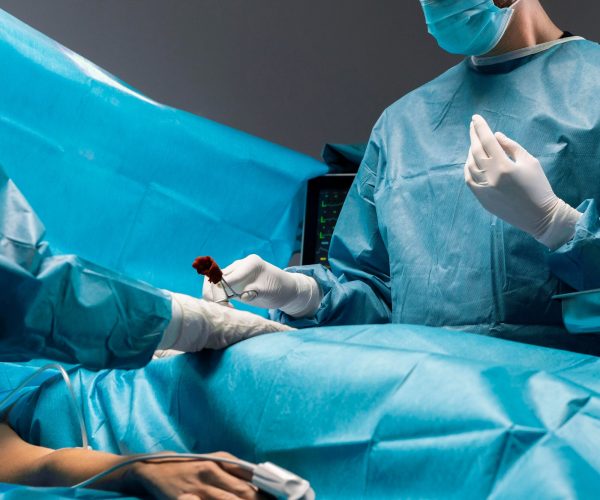
  • Performed under general anesthesia in a hospital operating room 
  • The donor kidney is placed in the lower abdomen and connected to blood vessels and the bladder 
  • The patient’s own kidneys are usually left in place 
  • Surgery typically lasts 3–4 hours 
  • Hospital stay is around 5–10 days for recovery and monitoring 
  • Lifelong medication is needed to prevent rejection 

Why is it performed?

  • For patients with irreversible kidney failure or end-stage renal disease
  • When dialysis is no longer effective or tolerated
  • To improve quality of life and independence
  • To restore normal kidney function and waste elimination
  • As the best long-term treatment for chronic kidney disease

Risks and Considerations

  • Risk of organ rejection despite medication
  • Infection risk due to immunosuppressive drugs
  • Bleeding, blood clots, or wound complications
  • Side effects from anti-rejection medication (such as high blood pressure or diabetes)
  • Need for lifelong medical follow-up and monitoring

Early detection is important for managing the condition and preventing further complications.

Schedule a consultation today.

FAQs

Is kidney transplant surgery painful?
The surgery itself is not painful due to anesthesia, but mild soreness or discomfort may occur during recovery.
Most patients resume light activities within 4–6 weeks, depending on individual healing.
Yes, many patients return to work, exercise, and lead active lives after recovery.
Yes, anti-rejection medications must be taken daily to prevent transplant rejection.
If you experience fever, pain, swelling, or reduced urine output, contact your doctor immediately.

Nephrology

Doral Health & Wellnes Kidney Department

Doral Health & Wellness Nephrology provides comprehensive care for patients with kidney disease. Our nephrologists offer a range of services, including diagnosis, treatment, and management of various kidney conditions. We provide personalized care, using advanced diagnostics and treatment plans, including dialysis and transplantation, to help you manage your kidney health and improve your quality of life.

Nephrology

More Nephrology Procedures

Health Corner

Recent Articles

Perform Your Search Within the Site

Just write what you want and you will find it.

Generic selectors
Exact matches only
Search in title
Search in content
Post Type Selectors