What is Plasmapheresis?
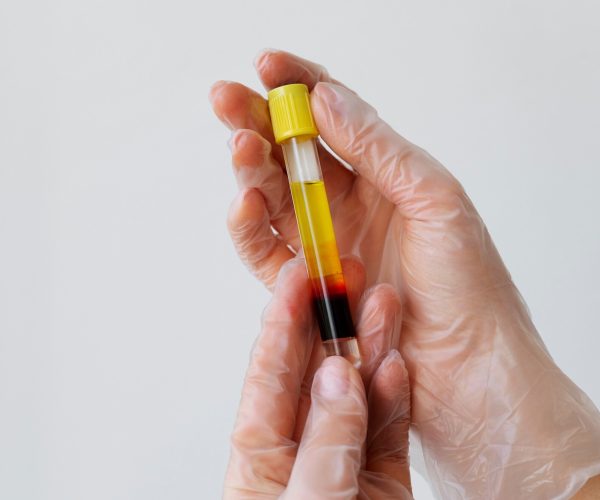
Plasmapheresis, or plasma exchange therapy, is a procedure that filters the blood to remove abnormal antibodies, toxins, or proteins contributing to disease. During treatment, the patient’s blood is drawn, plasma is separated and replaced with a clean solution (such as saline or donor plasma), and the blood is returned to the body.
This treatment helps to:
- Remove harmful antibodies or immune complexes
- Treat autoimmune and kidney-related diseases
- Manage severe cases of glomerulonephritis
- Support patients with neurological or hematological disorders
- Improve kidney and immune function in certain conditions
What to expect during the procedure?
- Performed in a hospital or dialysis center
- Blood is withdrawn through a catheter or veins in the arms
- A machine separates plasma and replaces it with a substitute solution
- Each session lasts 2–4 hours, depending on the patient’s condition
- Mild fatigue or dizziness may occur afterward
- Multiple sessions may be needed for best results