
Ultrasound guidance for kidney biopsies

What is Ultrasound Guidance for Kidney Biopsies? Ultrasound guidance is a technique that uses high-frequency sound waves to visualize the kidney during a biopsy. It allows the doctor to precisely guide the biopsy needle to the correct location, ensuring an accurate tissue sample is obtained while minimizing risk to surrounding structures. This technique helps to: […]
Tunneled hemodialysis catheter placement
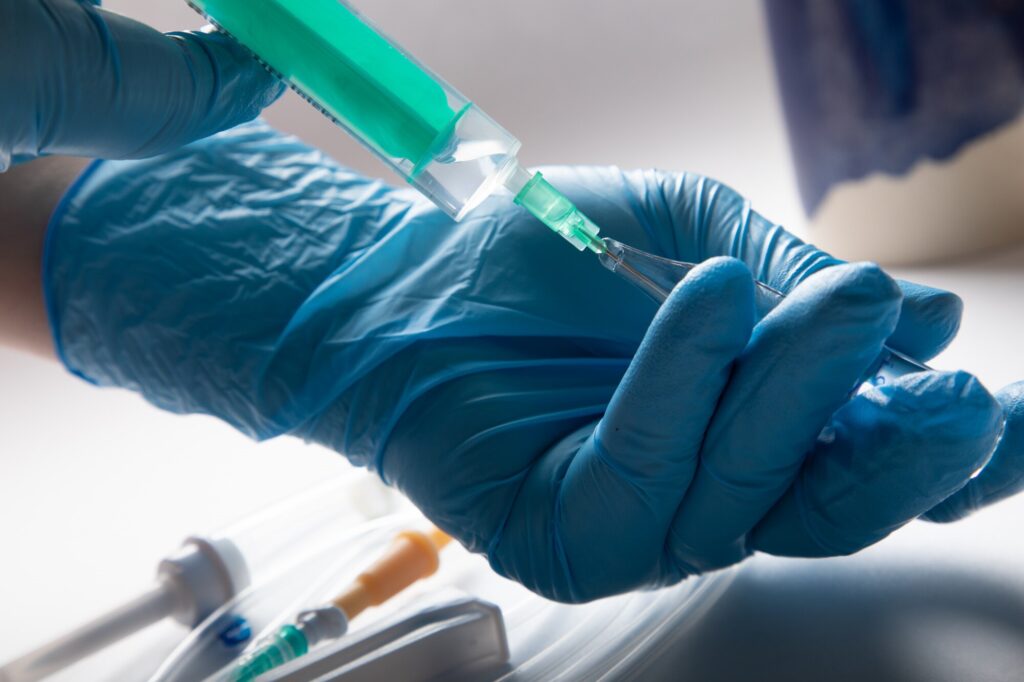
What is Tunneled Hemodialysis Catheter Placement? This procedure involves placing a flexible tube (catheter) into a large vein—usually in the chest or neck—to provide access for hemodialysis. The catheter is “tunneled” under the skin before entering the vein, which helps reduce the risk of infection and allows it to remain in place for long-term use. […]
Temporary hemodialysis catheter insertion

What is Temporary Hemodialysis Catheter Insertion? This procedure involves placing a soft, flexible tube (catheter) into a large vein—usually in the neck, chest, or groin—to allow quick access for hemodialysis. It provides an immediate way to filter blood and remove waste products when permanent access (like a fistula or graft) is not yet available. This […]
Plasmapheresis
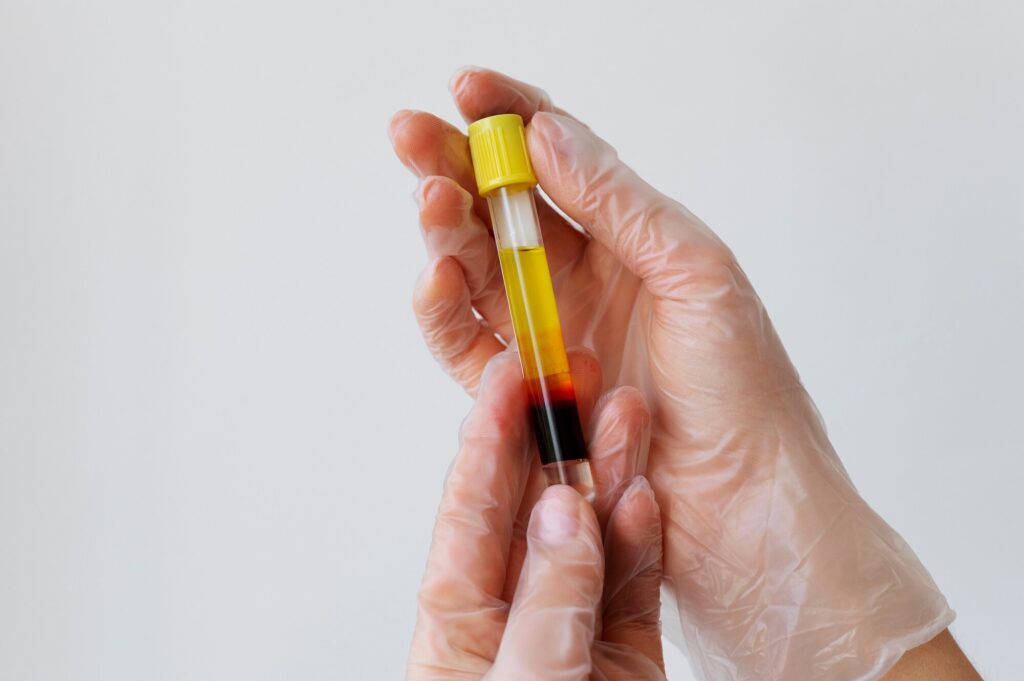
What is Plasmapheresis? Plasmapheresis, or plasma exchange therapy, is a procedure that filters the blood to remove abnormal antibodies, toxins, or proteins contributing to disease. During treatment, the patient’s blood is drawn, plasma is separated and replaced with a clean solution (such as saline or donor plasma), and the blood is returned to the body. […]
Peritoneal dialysis catheter insertion
What is Peritoneal Dialysis Catheter Insertion? This procedure involves placing a thin, flexible tube (catheter) into the abdomen to allow fluid exchange during peritoneal dialysis. The catheter provides access to the peritoneal cavity, where a special solution absorbs waste and extra fluid from the blood through the peritoneal membrane. This procedure helps to: What to […]
Percutaneous transplant kidney biopsy
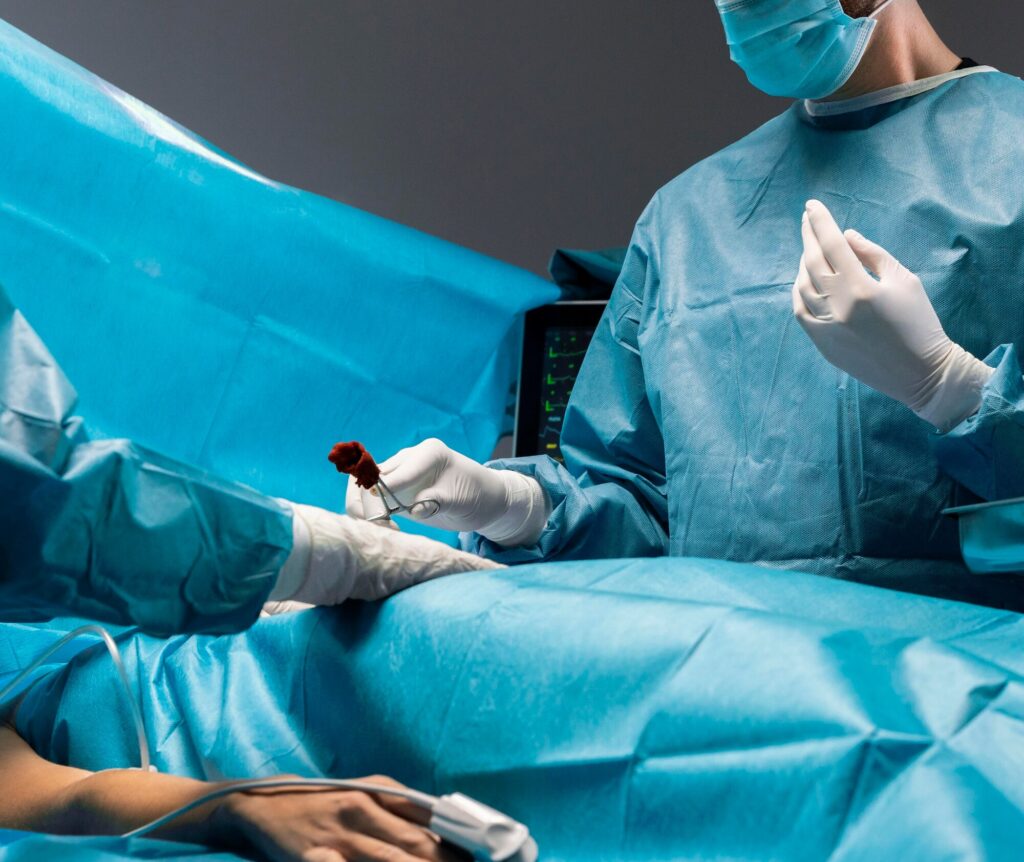
What is Kidney Transplantation Surgery? Kidney transplantation is a surgical procedure in which a healthy kidney from a living or deceased donor is placed into a patient whose kidneys have stopped working properly. The transplanted kidney takes over the work of filtering waste and balancing fluids in the body, improving quality of life and survival. […]
Percutaneous Native Kidney Biopsy
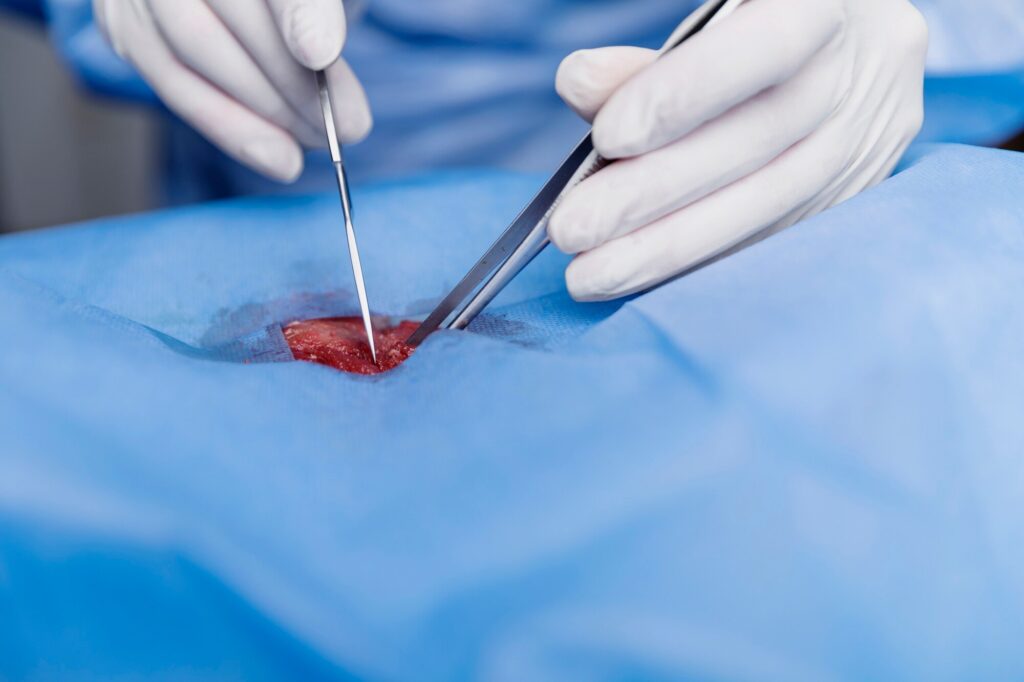
What is a Percutaneous Native Kidney Biopsy? A kidney biopsy involves removing tiny samples of kidney tissue using a special needle inserted through the skin. Guided by ultrasound or CT imaging, this procedure helps doctors examine the kidney under a microscope to diagnose various conditions. This procedure helps to: What to expect during the procedure?
Interventional Procedures on Hemodialysis Access (Thrombectomy, Angioplasty, Stenting)
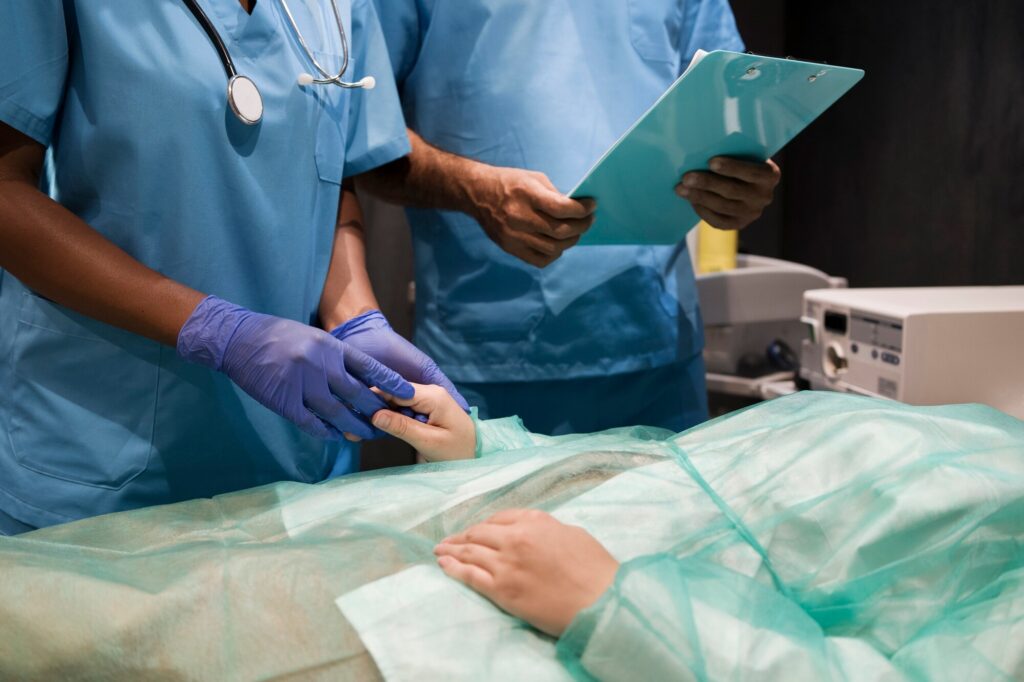
What are Interventional Procedures on Hemodialysis Access? These procedures are performed to treat blockages or narrowing in the blood vessels used for hemodialysis access (such as arteriovenous fistulas or grafts). Using imaging guidance, doctors can restore blood flow and keep the access functioning, which is essential for ongoing dialysis treatment. These treatments help to: What […]
Diagnostic Kidney Ultrasound

What is a Diagnostic Kidney Ultrasound? A diagnostic kidney ultrasound is a safe and painless procedure that creates images of the kidneys and urinary tract using high-frequency sound waves. It helps doctors detect abnormalities, such as kidney stones, cysts, tumors, or blockages, and evaluate kidney size and blood flow. This test helps to: What to […]
Continuous Renal Replacement Therapy (CRRT)

What is CRRT? CRRT is a type of dialysis performed 24 hours a day in an intensive care setting. It gently removes waste products, toxins, and excess fluids from the blood when the kidneys are not functioning properly. This method is less stressful on the body than traditional dialysis, making it suitable for unstable or […]