What is a Cystoscopy?
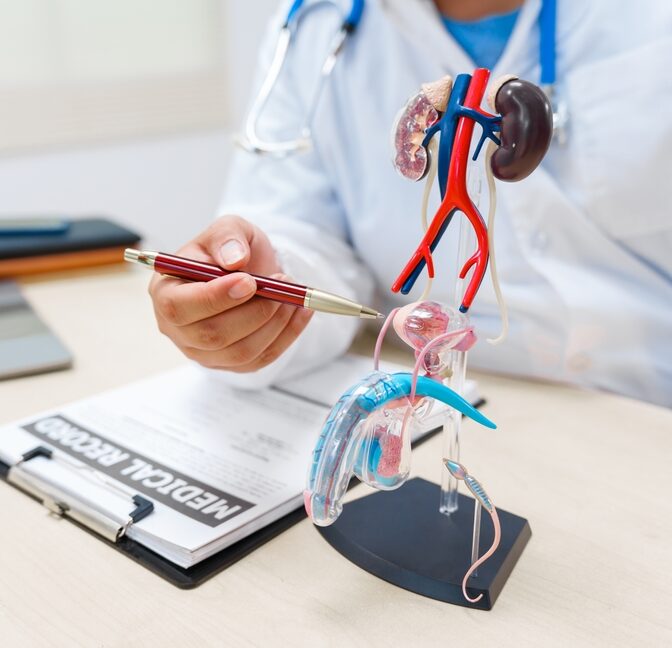
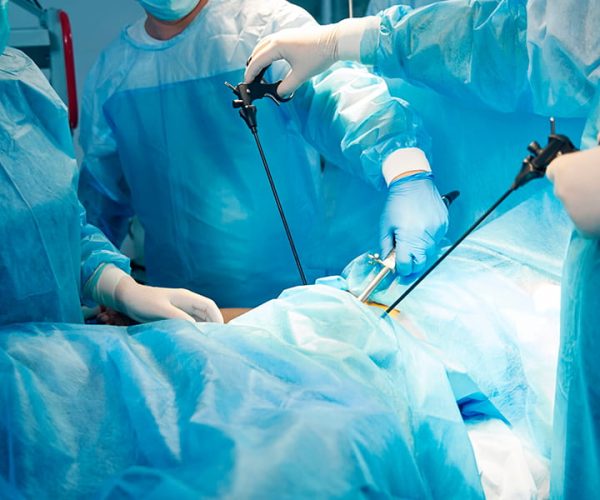
Cystoscopy involves inserting a cystoscope, a thin flexible or rigid tube with a light and camera, into the urethra to view the bladder. It helps diagnose and treat urinary tract problems. This minimally invasive procedure allows real-time visualization of the urinary tract and can be used to perform minor treatments.
This procedure helps to:
- Detect inflammation or infection in the bladder
- Identify structural abnormalities in the urethra
- Remove small growths or stones
- Collect tissue samples (biopsies) for further testing
- Evaluate causes of urinary symptoms
What to expect after a Cystoscopy?
After the procedure, mild burning during urination and a slight urge to urinate more often are common. Drinking extra fluids helps to flush the bladder and speed recovery. Most discomfort is temporary and subsides within a day or two.
- Mild burning or discomfort for 1–2 days
- Increased frequency or urgency to urinate for 24 hours
- Slight blood in urine for a short time
- Relief from discomfort with extra hydration
- Follow-up instructions if biopsies or treatments are done