
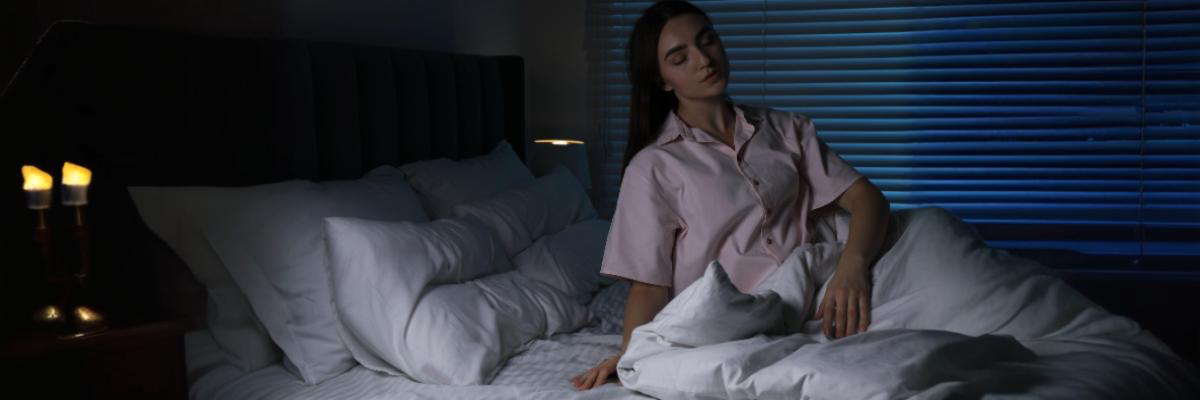
A good night’s sleep is one of the pillars of a healthy life, but it is hard to feel rested when your bladder acts as a persistent alarm clock. If you find yourself making multiple trips to the bathroom every night, you are not alone. This condition, known as nocturia, is more than just an inconvenience; it can disrupt your sleep cycle and signal underlying health issues. Finding the right nocturia treatment is key to restoring your rest and well-being. By understanding the causes of frequent urination at night and implementing a few key urology tips, you can improve your bladder health and finally sleep through the night.
At Doral Health & Wellness, our urology specialists are dedicated to diagnosing and treating the root causes of nocturia. We offer compassionate, comprehensive care to help you find relief and reclaim your nights. Your journey to better sleep and improved health starts here.
What is Nocturia and Why Does It Happen?
Nocturia is the medical term for waking up one or more times during the night to urinate. While it can affect anyone, it becomes more common with age. It is often dismissed as a normal part of getting older, but frequent interruptions to sleep can have a significant impact on your quality of life, leading to daytime fatigue, mood changes, and reduced concentration.
The causes of frequent urination at night are varied and can be broken down into a few main categories:
- Lifestyle Choices – Simple habits can have a big impact.
- Hormonal Changes – As we age, our bodies produce less of a key hormone that helps us retain fluid at night.
- Underlying Medical Conditions – Nocturia can be a symptom of a more serious issue.
Simple Urology Tips to Start Tonight
Before diving into medical treatments, there are several lifestyle adjustments you can make that often provide significant relief. These are the foundation of good bladder health.
Manage Your Fluids
- Time Your Drinks – Taper off your fluid intake 2-3 hours before you go to bed. This gives your kidneys time to process liquids before you lie down.
- Limit Bladder Irritants – Caffeine and alcohol are diuretics, meaning they make you produce more urine. Avoid coffee, tea, soda, and alcoholic beverages in the evening.
- Elevate Your Legs – If you have swelling in your ankles or legs (edema), fluid can build up during the day. When you lie down, this fluid re-enters your bloodstream and is filtered by the kidneys. Elevating your legs for an hour before bed can help your body process this fluid before you try to sleep.
Bladder Retraining
Just like any other muscle, your bladder can be trained. If you wake up and go to the bathroom out of habit, try to gradually extend the time between voids. Use relaxation techniques to manage the urge and teach your bladder to hold more urine.
When Nocturia Signals a Deeper Issue
If lifestyle changes are not enough, it is time to consider that your frequent urination at night might be a symptom of another medical condition. Getting a proper diagnosis from a professional is a critical part of finding the right nocturia treatment.
Common Medical Causes
- Benign Prostatic Hyperplasia (BPH) – In men, an enlarged prostate can press on the urethra, preventing the bladder from emptying completely. This leads to more frequent trips to the bathroom. A specialist in urology care in NY can easily diagnose this common condition.
- Overactive Bladder (OAB) – This condition involves involuntary bladder muscle contractions that create a sudden, strong urge to urinate, even when the bladder is not full.
- Urinary Tract Infections (UTIs) – An infection can irritate the bladder lining, causing a constant feeling of needing to go.
- Sleep Apnea – People with obstructive sleep apnea experience changes in blood pressure and oxygen levels that can trigger the kidneys to produce more urine at night.
If you are concerned about these issues, a quick search for a “urology doctor near me” can connect you with a specialist who can provide answers.
Effective Nocturia Treatment Options
Once a cause has been identified, your doctor can recommend a targeted treatment plan. Modern medicine offers a range of solutions to help you sleep more soundly.
Medications
- Anticholinergics – These drugs help relax the bladder muscle, reducing the symptoms of an overactive bladder.
- Alpha-blockers – For men with BPH, these medications relax the muscles in the prostate and bladder neck, allowing for easier and more complete urination.
- Desmopressin – This medication mimics a naturally occurring hormone (antidiuretic hormone) that tells your kidneys to produce less urine. It is often prescribed as a nasal spray or a low-dose tablet to be taken before bed.
Working with a knowledgeable Brooklyn urologist is essential to find the right medication and dosage with the fewest side effects.
Medical Procedures
For more severe cases, or when medication fails, procedural options are available.
- Nerve Stimulation – Therapies like PTNS or sacral neuromodulation can help regulate the nerve signals between the brain and the bladder.
- Botox Injections – Injecting Botox into the bladder muscle can calm the involuntary contractions of OAB.
Keeping a Bladder Diary: Your Most Important Tool
To help your doctor understand what is really going on, they may ask you to keep a bladder diary for a few days. This simple log can provide invaluable insights.
You should track:
- What time and how much you drink.
- What time you urinate and how much you void.
- How strong the urge was each time you went.
- What you were doing when you felt the urge.
This data helps differentiate between someone who produces too much urine at night (nocturnal polyuria) and someone who has a bladder that cannot hold enough urine. If you are preparing to see a “urologist near me,” bringing a completed diary to your first appointment can speed up the diagnostic process.
The Impact on Your Overall Health
It is easy to dismiss nocturia as a simple annoyance, but chronic sleep deprivation is a serious health risk. It has been linked to:
- Increased risk of falls, especially in older adults who are groggy at night.
- Higher rates of depression and anxiety.
- Impaired cognitive function and memory.
- Increased risk of accidents while driving or at work.
Treating your nocturia is not just about convenience; it is about protecting your overall physical and mental well-being. Prioritizing your bladder health is a key component of a healthy lifestyle.
Waking up multiple times a night to urinate is not a fate you have to accept. Whether the cause is a simple lifestyle habit or a more complex medical condition, effective nocturia treatment is available. By applying smart urology tips, managing your fluid intake, and seeking professional help when needed, you can conquer frequent urination at night. A full, uninterrupted night of sleep is within your reach, and reclaiming your rest is one of the best things you can do for your bladder health and overall quality of life.
If you are tired of your bladder dictating your sleep schedule, let our experts help. The compassionate team at Doral Health & Wellness is ready to provide the professional care you need to sleep soundly again. Contact Doral Health & Wellness today at 1-718-365-2555 or visit us at 1797 Pitkin Avenue, Brooklyn, New York 11212. For general information about Doral Health & Wellness services, you can contact or email info@doralhw.org.