Your thyroid gland plays a vital role in regulating your body’s metabolism, energy levels, and overall function. When this gland produces too much hormone, it can lead to a condition called hyperthyroidism. The most common cause of hyperthyroidism is Graves’ disease, an autoimmune disorder that can affect anyone but is more frequent in women. Understanding the common signs and symptoms of Graves’ disease is the first step toward diagnosis and effective management. Recognizing these indicators early on can help you seek timely medical advice and explore Graves’ disease treatment options, leading to better health outcomes. At Doral Health & Wellness, we have all the answers you need.
Unpacking the Common Signs and Symptoms of Graves’ Disease
Because the thyroid hormone controls so many bodily functions, the symptoms of Graves’ disease can be wide-ranging and sometimes mistaken for other health issues. They often develop slowly over time. Here are some of the key indicators to watch for.
Physical and Emotional Changes
Many of the most noticeable symptoms affect your physical state and mood. You might experience one or several of the following:
- Anxiety, irritability, or nervousness
- A fine tremor in your hands or fingers
- Heat sensitivity and an increase in perspiration or warm, clammy skin
- Unexplained weight loss, despite no changes in your eating habits
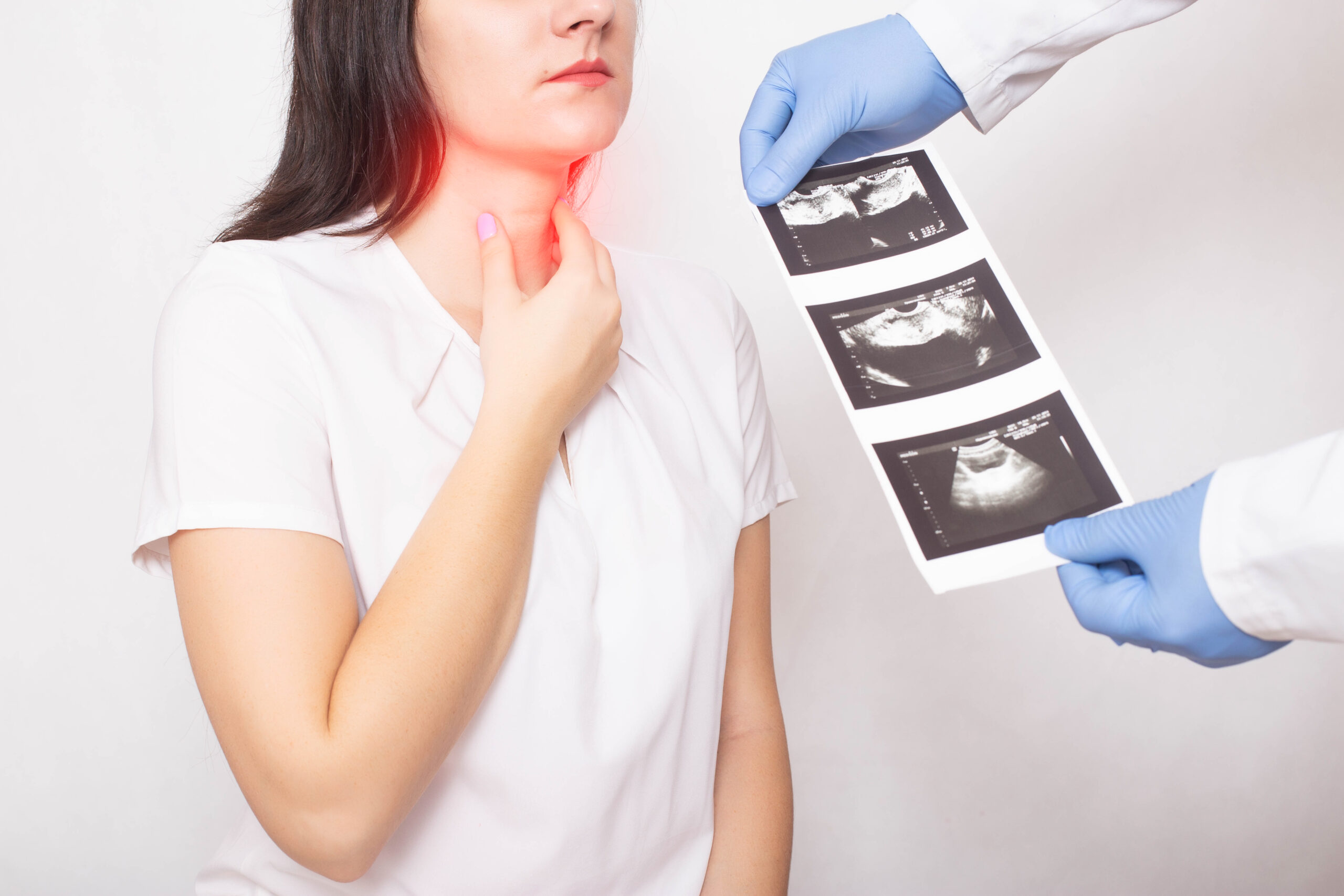
- Enlargement of your thyroid gland, known as a goiter
- Frequent bowel movements
- Fatigue and muscle weakness
Heart and Eye-Related Symptoms
Graves’ disease can have a significant impact on your cardiovascular system and your eyes. Promoting health awareness of thyroid gland disorders helps people connect these seemingly unrelated symptoms.
Cardiovascular Effects
A rapid or irregular heartbeat (tachycardia or palpitation) is a frequent symptom. You might feel like your heart is pounding or fluttering in your chest, especially during rest. This happens because the excess thyroid hormone speeds up many of your body’s processes, including your heart rate.
Graves’ Ophthalmopathy
Approximately 30% of people with Graves’ disease show signs of a condition called Graves’ ophthalmopathy. This is where the immune system attacks the tissues and muscles around the eyes, causing inflammation and other issues, such as:
- Bulging eyes (exophthalmos)
- A gritty sensation in the eyes
- Pressure or pain in the eyes
- Puffy or retracted eyelids
- Vision problems, like double vision
Exploring Graves’ Disease Treatment Options
Once diagnosed, managing Graves’ disease is crucial for preventing long-term complications. A healthcare provider will recommend a treatment plan based on your age, physical condition, and the severity of your disorder. Spreading health awareness on thyroid gland disorders is key to helping people understand their options.
The main goals of Graves’ disease treatment are to stop the overproduction of thyroid hormones and lessen the impact of symptoms. The primary treatment approaches include:
- Medications: Antithyroid medications are often the first line of defense. These drugs interfere with the thyroid’s use of iodine to produce hormones.
- Radioactive Iodine (RAI) Therapy: This involves taking a dose of radioactive iodine, which is absorbed by the thyroid gland. The radiation slowly destroys the overactive thyroid cells, causing the gland to shrink and hormone levels to fall.
- Thyroid Surgery (Thyroidectomy): In some cases, doctors may recommend surgically removing all or part of the thyroid gland. This is a definitive cure for hyperthyroidism but requires lifelong thyroid hormone replacement therapy.
Recognizing the signs of Graves’ disease is essential for getting the care you need. If you are experiencing any of the symptoms discussed, it is important to speak with a healthcare professional. A simple blood test can measure your thyroid hormone levels and help determine if a thyroid gland disorder is the cause. Early intervention can make a significant difference in managing the condition effectively. To book your appointment now, call us on + 1-718-367-2555 to get your condition treated! Learn more about Hormonal disorders at www.doralhw.org. and stay up to date on current health topics and new research. If you need help, register your information and make direct contact with us at https://yuz88hfiyh7.typeform.com/Doralintake. Or visit us at 1797 Pitkin Avenue, Brooklyn, NY 11212.