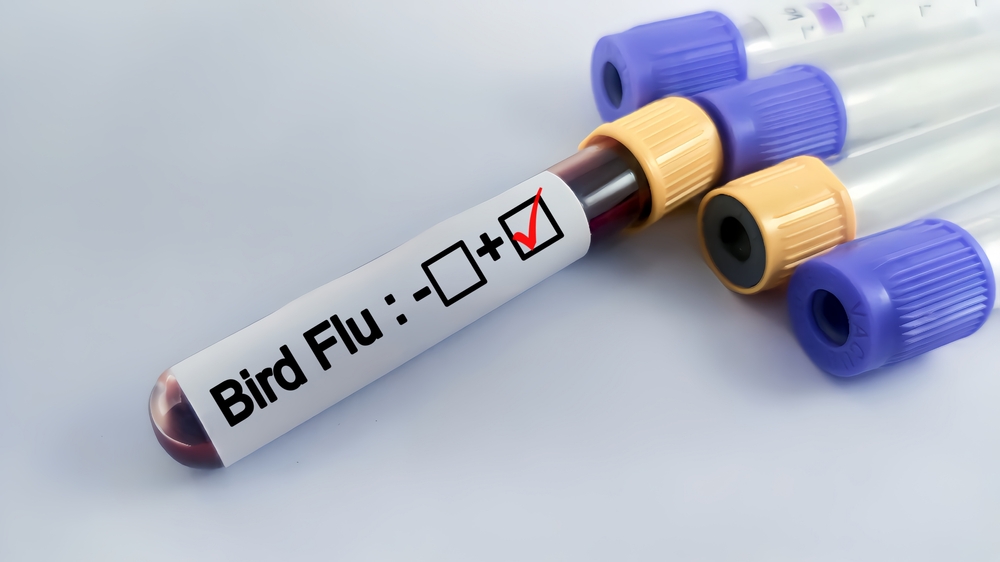
You may have seen unsettling headlines about the avian flu, or H5N1, and wondered if it is a real threat. After years of relative quiet, health officials are once again monitoring this virus closely. The main question on everyone’s mind is why bird flu is rising again in 2026. The answer lies in the virus’s ability to spread among wild bird populations and, more recently, its jump to farm animals.
While human cases remain rare, this expanding reach in the animal kingdom increases the chances of human exposure. Understanding the situation and knowing the best strategies to protect yourself from bird flu are your most effective defenses. Reach out to us on https://doralhw.org/contact-us/ for a consultation with the best infectious disease doctors in Brooklyn, New York.
Why Is Bird Flu Rising Again in 2026?
The current resurgence is not happening in a vacuum. Scientists point to several key factors that are driving the spread of the H5N1 virus across the globe.
Unprecedented Spread in Wildlife
The virus is now “completely out of control” in wild bird populations, according to some experts. Migratory birds carry the virus over vast distances, introducing it to new regions and different animal species. This widespread presence creates a massive, uncontrolled reservoir for the virus.
Spillover into Mammals
Perhaps the most concerning development is the virus’s ability to infect mammals. Farm animals, including dairy cows, are now contracting bird flu from exposure to wild birds. This “spillover” is a critical step because it allows the virus to adapt to mammalian hosts, which brings it one step closer to potentially spreading between humans. An infectious disease specialist monitors these changes closely, as they could signal a shift toward a human pandemic.
Strategies to Protect Yourself from Bird Flu
While the risk to the general public is still considered low, it is wise to be prepared. Simple, common-sense precautions are the most effective strategies to protect yourself from bird flu.
Avoid Contact with Sick or Dead Animals
The primary route of transmission to humans is through direct contact with infected animals.
- Wild Birds: Do not handle or get close to sick or dead wild birds. If you find one, report it to your local animal health authorities.
- Poultry and Livestock: If you work with poultry or other farm animals, wear personal protective equipment (PPE), including gloves and masks.
- General Precaution: Avoid visiting live animal markets or poultry farms in areas with known outbreaks.
Practice Good Hygiene
Basic hygiene remains a cornerstone of preventing any infectious disease.
- Hand Washing: Wash your hands thoroughly with soap and water after any potential contact with birds or other animals.
- Food Safety: Cook all poultry and eggs to an internal temperature of at least 165°F (74°C) to kill any potential viruses. Avoid foods made with raw or undercooked poultry products.
When to Seek Medical Advice
Symptoms of bird flu in humans can resemble a severe case of the regular flu, including high fever, cough, sore throat, and muscle aches. If you develop these symptoms after contact with sick animals, you should seek medical attention immediately.
An infectious disease specialist is the best expert to consult for a potential bird flu case. They have the training to diagnose rare viral infections and prescribe appropriate antiviral medications. For residents in major cities, finding experienced infectious disease doctors in Brooklyn or similar metropolitan areas can ensure you receive prompt and accurate care. Doral Health & Wellness Infection Control Department experts can distinguish between seasonal flu and a more serious threat like H5N1.
The reason why bird flu is rising again in 2026 is a combination of its vast spread in wild birds and its alarming jump to mammals. While human-to-human transmission is not yet a concern, the situation requires vigilance. By implementing simple strategies to protect yourself from bird flu, such as avoiding sick animals and practicing good hygiene, you can significantly reduce your risk. If you have concerns about exposure or symptoms, do not hesitate to contact a healthcare provider or find local experts like the infectious disease doctors in Brooklyn for guidance. Book your appointment now, call us on + 1-718-367-2555 to get treated! Learn more about infectious diseases at www.doralhw.org. and stay up to date on current health topics and new research, on recent infectious diseases like COVID-19. If you need help, register your information and make direct contact with our doctors at https://yuz88hfiyh7.typeform.com/Doralintake. Or visit us at 1797 Pitkin Avenue, Brooklyn, NY 11212.