
From a surprise sneeze attack to an unexpected skin rash, allergic reactions can be confusing and uncomfortable. Your body suddenly treats a harmless substance like pollen or peanuts as a major threat. Understanding what happens inside your body during an allergic reaction is key to managing your symptoms and knowing when to get help. This isn’t just a simple event; it’s a complex immune response that unfolds in a specific sequence.
This guide will break down the 5 stages of allergic reaction, providing a clear picture of the biological chain reaction that causes your symptoms, from mild discomfort to severe issues. At Doral Health & Wellness, we have all the answers you need.
The 5 Stages of Allergic Reaction: An Inside Look
An allergic reaction is your immune system’s overzealous attempt to protect you. It’s a multi-step process that begins long before you feel the first itch or sneeze. Let’s explore exactly what happens inside your body during an allergic reaction.
Stage 1: Sensitization (The Silent First Encounter)
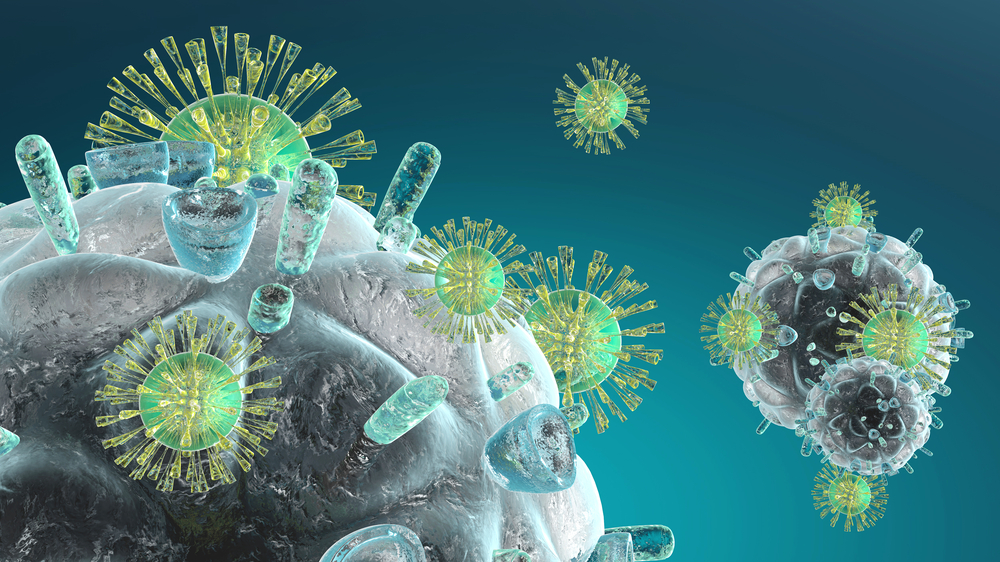
The first time you encounter a potential allergen, like ragweed pollen or cat dander, you won’t experience a reaction. Instead, your immune system quietly tags it as a threat. It creates specific antibodies called Immunoglobulin E (IgE) in response. These IgE antibodies then attach themselves to mast cells, which are immune cells found throughout your body’s tissues. Think of this as setting up a silent alarm system.
Stage 2: Re-exposure (The Trigger)
The next time you come into contact with that same allergen, the alarm is triggered. The allergen binds to the IgE antibodies that are patiently waiting on the mast cells. This connection signals to the mast cells that the “invader” has returned, initiating an immediate and powerful defensive response.
Stage 3: Degranulation (The Chemical Release)
Once the allergen is locked onto the IgE antibodies, the mast cells activate in a process called degranulation. They release a flood of powerful chemicals into your system, most notably histamine. These chemicals are the direct cause of allergy symptoms and are designed to fight off the perceived threat by creating inflammation.
Stage 4: The Inflammatory Symptom Response
This is the stage where you feel the effects. The released histamine and other chemicals cause a cascade of symptoms as your body tries to expel the allergen.
- Blood vessels widen and leak fluid, leading to swelling, hives, and a drop in blood pressure.
- Mucous membranes go into overdrive, causing a runny nose, watery eyes, and sneezing.
- Airways may tighten, resulting in coughing, wheezing, and shortness of breath.
- The digestive system can react with nausea, cramping, or diarrhea if the allergen is ingested.
Stage 5: The Late-Phase Reaction
The reaction doesn’t always end after the initial symptoms subside. A late-phase reaction can occur 4 to 6 hours later, and sometimes even up to 24 hours after exposure. During this stage, other immune cells are recruited to the area, causing prolonged inflammation and a potential return of symptoms. This is why a consultation with an immunologist is often necessary to manage persistent or severe allergic responses.
When Should You See an Immunologist?
While many mild allergies can be handled with over-the-counter antihistamines, persistent or severe symptoms require expert care. If your quality of life is impacted by allergies, it is time to consult an allergist. This specialist can conduct precise tests to identify your triggers and develop a personalized treatment plan, which might include prescription medications or immunotherapy (allergy shots).
For those in the New York area, finding a local expert is a crucial step. A specialized immunology clinic in Brooklyn, NY, can offer advanced diagnostics and management strategies tailored to your specific needs.
Understanding the 5 stages of allergic reaction demystifies what feels like a random attack from your own body. From the silent sensitization phase to the full-blown inflammatory response, each step is part of a predictable, albeit misguided, defense mechanism. If you find yourself struggling to control your symptoms, don’t hesitate to seek professional guidance. A visit to an immunology clinic in Brooklyn, NY, or your local specialist can provide the clarity and relief you need to live more comfortably. Call us on +1-718-367-2555 to book your appointment now to receive the best-in-class treatment that helps manage your allergies for a better life. If you need help, register your information at https://yuz88hfiyh7.typeform.com/Doralintake. Or visit us at 1797 Pitkin Avenue, Brooklyn, NY 11212.