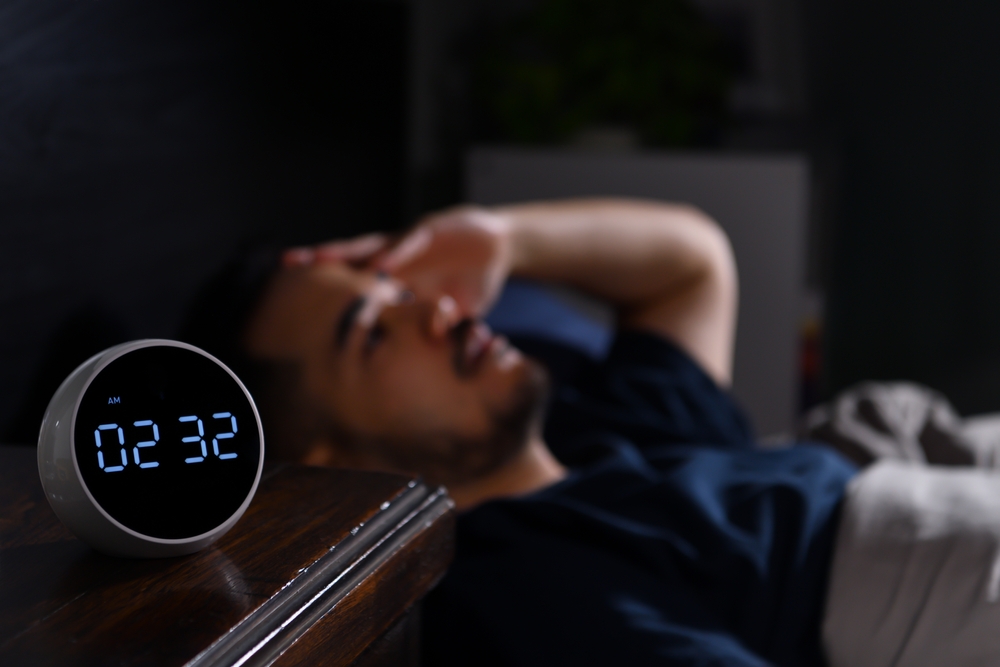
Did you know that approximately 70 million people in the U.S. — that’s about twice the population of California — are affected by sleep disorders? Globally, nearly 10% of the population experiences sleepless nights on a regular basis. If you often find yourself wide awake long after midnight and then struggle with fatigue, brain fog, or mood swings during the day, you might be dealing with more than just a bad sleep habit. Start to Sleep Better Tonight
One possible culprit is Delayed Sleep Phase Syndrome (DSPS) — a circadian rhythm disorder that shifts your natural sleep-wake cycle. This condition can disrupt your daily functioning, affect your mental health, and make it difficult to fall asleep and wake up at conventional times.
But the good news is that you can take proactive steps to sleep better, even if your body naturally resists early bedtimes. From building healthier evening routines to understanding how light exposure impacts your brain’s internal clock, there are science-backed ways to regain control of your rest. Early intervention and the right treatment approach — which may include lifestyle adjustments, light therapy, or behavioral counseling — can make a big difference in your ability to fall asleep faster and wake up feeling refreshed.
Don’t let poor sleep control your life. Learn more about how to improve your rest and get the care you need. Visit the best Mental Health Clinic in Brooklyn at Doral Health & Wellness, or log on to Behavioral Health – Doral Health & Wellness NY.
In this article, we’ll explore insomnia and share practical tips that can help you sleep better at night.
Delayed Sleep Phase Syndrome (DSPS) is a common yet often overlooked sleep disorder that can severely disrupt your daily routine and overall well-being. People with this condition typically find it difficult to fall asleep at a socially acceptable hour, often staying awake until the early morning and struggling to wake up on time for daily responsibilities. This delay in the body’s internal clock can leave you feeling chronically tired, mentally drained, and emotionally unbalanced.
What makes this disorder more complex is its overlap with other health conditions. It can be associated with anxiety, depression, and certain neurological or hormonal imbalances. In some cases, medications, poor sleep hygiene, or irregular work schedules can also contribute to the problem.
If you’re constantly struggling with your sleep schedule, here are some common symptoms to look out for:
Difficulty falling asleep at night, even when tired
Waking up too early and being unable to fall back asleep
Frequent interruptions during the night
Persistent feelings of daytime fatigue and drowsiness
Difficulty concentrating, forgetfulness, and lower work productivity
Irritability, mood swings, anxiety, or symptoms of depression
Constant worry about not getting enough sleep
If any of these symptoms feel familiar, it’s important to seek professional guidance. The good news is that you can sleep better with the right combination of medical support, behavioral therapy, and simple lifestyle adjustments. These may include cognitive behavioral therapy for insomnia (CBT-I), melatonin supplements, controlled exposure to natural or artificial light in the morning, limiting screen time at night, and creating a sleep-friendly environment.
Don’t let sleep troubles rule your life. Insomnia and DSPS are highly manageable with timely intervention and healthy sleep habits. By understanding your body’s sleep patterns and taking proactive steps, you can sleep better, feel more energized, and regain control of your mental and physical health.
5 Tips to sleep better
These 5 tips help you sleep better and may help you prevent sleep problems.
- Increase the bright light exposure during the day:
This tip can improve your daytime energy and nighttime sleep quality and duration. Why? Because our bodies have a natural time-keeping clock that helps us to stay awake and tell the body it’s time to sleep. It is called the circadian rhythm.
Natural sunlight and bright light of the day keep your circadian rhythm regular which impacts your wake and sleep time quality.
It’s been found in people who suffer from insomnia that getting bright light exposure during the day helps them to fall asleep faster by 83%. Similarly, a study on older adults found that 2 hours of bright light exposure during the day increase their amount of sleep by 2 hours with a sleep efficiency of 80%.
While all these studies were done on people with severe sleep issues, daily light exposure can help you improve your sleep quality and quantity.
- Avoid blue light before sleep:
As much as exposure to light is beneficial during the day, at nighttime it causes the opposite effect. Why? Because of your natural sleep-wake cycle. Our bodies produce melatonin during the nighttime which makes us fall asleep. But to produce melatonin, our body needs a dark environment.
But when we expose ourselves to the blue light (that our phones and computer screens produce), it affects the circadian rhythm and tricks our brain into thinking that it’s still daytime. This can reduce the production of melatonin hormone in the body which is essential to make us fall asleep.
So, you need to cut your exposure to blue light at night. For that use wear glasses that block blue light, download an app on your blue light emitting devices to block the blue light, and turn off every blue light emitting device at least 1 or 2 hours before sleep.
- Avoid caffeine late in the day:
While caffeine provides many benefits such as enhanced focus, energy, and sports performance and 90% of the U.S. population drinks coffee. But, if you drink coffee late in the day, it can stimulate your nervous system and make it difficult for you to relax and sleep naturally at night.
In one study, it is found that drinking coffee up to 6 hours before bed can worsen your sleep quality. It happens because caffeine can increase your blood pressure for 6 to 8 hours.
That’s why you should never drink a large serving of coffee after 3 to 4 pm especially if you have trouble sleeping.
- Take a melatonin supplement:
Melatonin is a natural sleep hormone that our brain produces to make us relax and fall asleep. Usually, to treat insomnia, melatonin is used in liquid or capsule form (supplements) to make people fall asleep more quickly. It also improves the quality of sleep. It benefits shift workers, people who experience jet lag, or people with sleep disorders.
While anyone can take melatonin supplements, before taking them make sure you talk with your doctor about them to make sure they are safe to take.
There are no guidelines for melatonin dosage, but doctors recommend taking a safe dose of 1 to 5 milligrams for good sleep.
- Eliminate long daytime naps:
Short power naps are beneficial for the body. However, if you take long or irregular naps during the day it can negatively affect your sleep. Because sleeping during the day can confuse your internal clock, making it difficult to sleep at night.
It is also found in one study that people who suffer from insomnia take daytime naps. Another study shows that napping for 30 minutes or less can enhance daytime brain function, but longer naps can harm health and sleep quality.
However, in some studies, it is also found that people who take regular daytime naps don’t experience poor sleep quality or disrupted sleep at night. So, you can take daytime naps and sleep well too, but make sure the sleep duration is short, not long. The effects of napping can vary from person to person.
Trouble sleeping is quite common in people which makes them feel less energetic during the day and affects overall health. These tips can help you sleep better and improve your overall health. If you don’t see improvement in your sleep quality with these tips you should consult with your doctor to see if you have any sleep disorder that needs treatment. Usually, sleep disorders are not serious and are easily treated with medication.
Need more tips to improve your sleep quality? Call us on 1-347-384-5690 to get a consultation. If you need help learning coping methods, register your information and make direct contact with our doctors and psychiatrists to learn those methods, log on to www.doralhw.org. Doral Health and Wellness has the best Doctors and Psychiatrists who specialize in Behavioral health, make accurate diagnoses, and craft tailored treatment programs. Visit us at 1797 Pitkin Avenue, Brooklyn, NY 11212.