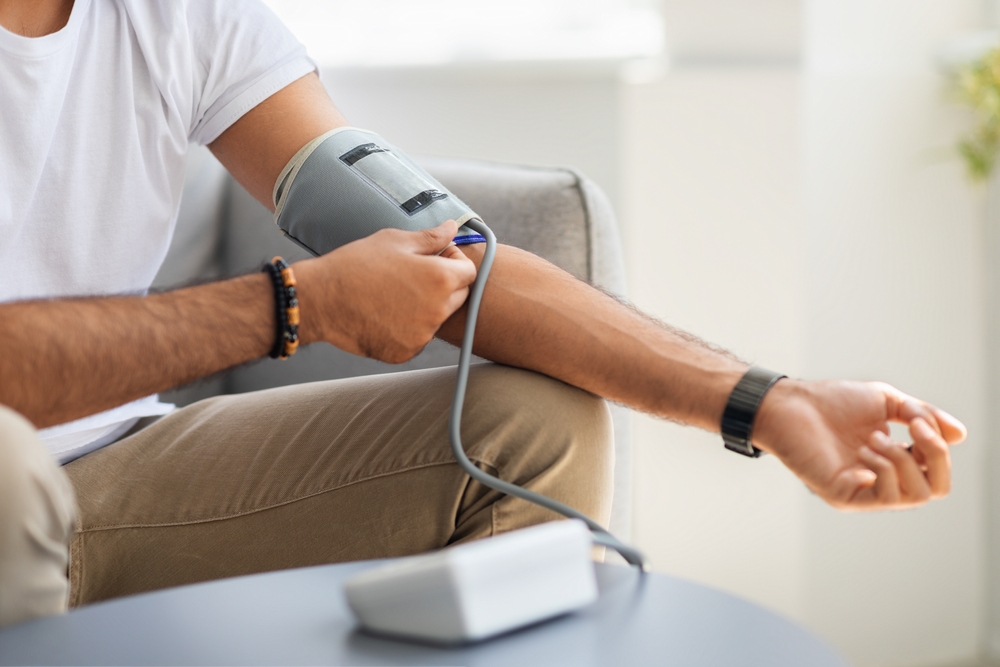
Hypertension, more commonly known as high blood pressure, is a serious medical condition where the force of blood against your artery walls is consistently too high. Over time, this elevated pressure can damage your blood vessels and lead to severe health complications, including heart disease, stroke, and kidney failure. Understanding hypertension symptoms and the factors that contribute to it, like stress, is the first step toward effective prevention and treatment. While it can be a silent condition, recognizing its causes and learning effective stress management techniques are crucial for maintaining long-term cardiovascular health. Get a consultation with the best cardiologists in Brooklyn.
What Are the Symptoms of Hypertension?
One of the most dangerous aspects of hypertension is that it often develops without any noticeable signs or symptoms. This is why it’s frequently called the “silent killer.” Many people can have high blood pressure for years without knowing it. However, when blood pressure reaches dangerously high levels (a hypertensive crisis), some individuals may experience:
- Severe headaches
- Shortness of breath
- Nosebleeds
- Dizziness or lightheadedness
- Chest pain
- Vision changes
- A feeling of pulsing in the neck or head
Because symptoms are unreliable indicators, regular blood pressure screenings are essential for early detection and management.
Understanding Your Blood Pressure Numbers
A blood pressure reading consists of two numbers, measured in millimeters of mercury (mm Hg):
- Systolic pressure (the top number): Measures the pressure in your arteries when your heart beats.
- Diastolic pressure (the bottom number): Measures the pressure in your arteries when your heart rests between beats.
Medical professionals classify blood pressure readings into several categories to help determine risk and appropriate treatment.
Category | Systolic (mm Hg) |
And/or | Diastolic (mm Hg) |
Normal | Less than 120 | & | Less than 80 |
Elevated | 120–129 | & | Less than 80 |
Stage 1 Hypertension | 130–139 | or | 80–89 |
Stage 2 Hypertension | 140 or higher | or | 90 or higher |
Hypertensive Crisis | Higher than 180 | & | Higher than 120 |
The Critical Link Between Stress and Hypertension
While stress itself doesn’t directly cause long-term hypertension, your body’s reaction to it can have a significant impact on your blood pressure. When you are stressed, your body releases a surge of hormones, such as adrenaline and cortisol. These hormones temporarily cause your heart to beat faster and your blood vessels to narrow, leading to a temporary spike in blood pressure.
This “fight or flight” response is normal. However, chronic, unmanaged stress means your body is constantly in this high-alert state. Furthermore, the behaviors people often adapt to cope with stress—like overeating, smoking, drinking alcohol, and poor sleep—are all known risk factors for developing sustained high blood pressure.
Effective Stress Management Techniques
Incorporating stress management into your daily routine is a powerful, non-medical way to support healthy blood pressure levels. Here are some proven strategies:
- Regular Physical Activity: Aim for at least 150 minutes (about 5 hours) of moderate-intensity exercise, like brisk walking or cycling, per week. Exercise is a natural stress-reducer that helps strengthen your heart.
- Mindfulness and Meditation: Practices like deep breathing exercises, meditation, and yoga can help calm your nervous system and lower your body’s stress response.
- Healthy Diet: A balanced diet rich in fruits, vegetables, whole grains, and lean proteins can impact both your mood and your cardiovascular health. Reducing sodium and processed foods is particularly important for managing blood pressure.
- Prioritize Sleep: Aim for 7-9 hours of quality sleep per night. Poor sleep can worsen stress and negatively affect blood pressure.
- Connect with Others: Spending time with friends and family or engaging in community activities can provide emotional support and reduce feelings of stress and isolation.
When to Seek Professional Help
Managing hypertension often requires a multi-faceted approach that goes beyond lifestyle changes. If you are struggling to control your blood pressure or if chronic stress is impacting your health, it is time to consult a medical professional. A cardiologist or a primary care physician can diagnose and treat cardiovascular issues, prescribe necessary medications, and recommend further testing.
In cases where chronic pain contributes to stress and elevated blood pressure, a cardiologist can be an invaluable part of your healthcare team. Visiting a dedicated cardiology center can provide targeted therapies to address the root cause of discomfort, which in turn can help with stress reduction and blood pressure control. A cardiologist can develop a comprehensive plan to improve your quality of life.
Your health is your most important asset. By understanding hypertension symptoms, embracing proactive stress management, and working with a dedicated medical team, you can take control of your blood pressure and protect your future well-being.
Do you need help with hypertension? Visit our cardiology clinic in Brooklyn to get professional medical help. The expert cardiologists at Doral Health & Wellness are dedicated to providing compassionate and comprehensive care for a full range of heart and blood vessel conditions. We are here to support you with advanced diagnostics and personalized treatment plans. For any cardiovascular problems, call us on +1 718 367 2555. The Cardiologists at Doral Health & Wellness consistently have outstanding patient satisfaction ratings. The professionals at Doral Health & Wellness Cardiology Brooklyn can improve your health and quality of life because of their vast training and experience. New Yorkers can get the greatest medical, surgical, and cardiovascular care at Doral Health & Wellness Brooklyn. Visit us at 1797 Pitkin Avenue, Brooklyn, NY 11212.