
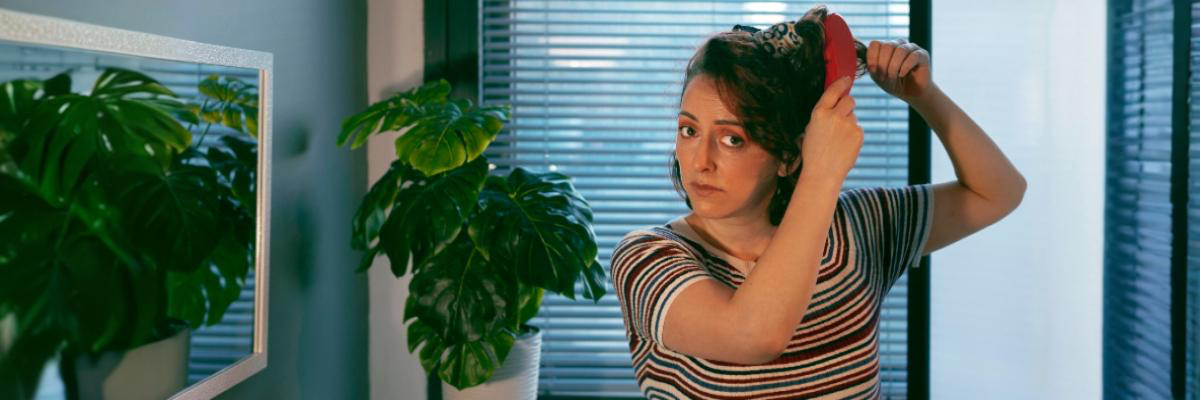
A woman’s hair is often tied to her sense of identity and self-esteem, making hair loss a deeply personal and distressing experience. Unlike men, who typically experience a receding hairline, female hair loss often presents as diffuse thinning, making it less noticeable initially but equally concerning. Addressing this issue requires a comprehensive understanding of its underlying causes, from hormonal shifts to nutritional deficiencies. This guide offers insight into maintaining optimal hair health and provides practical women’s beauty tips, empowering you to seek a proper diagnosis and effective treatment with confidence.
At Doral Health & Wellness, we are proud of our commitment to the East New York community to provide integrated interdisciplinary health services in an innovative medical facility. If you are searching for a “women’s health doctor near me” to discuss concerns about hair thinning or other health issues, our dedicated team offers expert medical advice and personalized quality care. We are dedicated to the health and well-being of our patients.
Understanding the Primary Causes of Female Hair Loss
Hair loss in women, also known as alopecia, can be triggered by a wide array of factors. Identifying the root cause is the critical first step toward developing an effective treatment plan. A thorough evaluation by a healthcare professional is essential for an accurate diagnosis.
Hormonal Imbalances and Life Stages
Hormones play a significant role in regulating the hair growth cycle. Any major fluctuation can disrupt this process and lead to noticeable shedding.
- Androgenetic Alopecia – This is the most common cause of hair loss in women, often referred to as female-pattern hair loss. It is a genetic condition that can be inherited from either parent and may be exacerbated by hormonal changes during menopause.
- Pregnancy and Postpartum – Many women experience thicker hair during pregnancy due to high estrogen levels. Following childbirth, estrogen levels drop sharply, causing a temporary but significant shedding phase known as telogen effluvium.
- Thyroid Disorders – Both an overactive (hyperthyroidism) and underactive (hypothyroidism) thyroid can disrupt the hair growth cycle and cause diffuse thinning.
- Polycystic Ovary Syndrome (PCOS) – This condition is characterized by a hormonal imbalance that can lead to excess androgens, contributing to hair thinning on the scalp.
Nutritional Deficiencies
Your hair requires a steady supply of vitamins and minerals to grow strong. A diet lacking in essential nutrients can directly impact hair health.
- Iron Deficiency – Anemia is a well-documented cause of hair loss, particularly in women with heavy menstrual periods or those who do not consume enough iron-rich foods.
- Inadequate Protein – Hair is made primarily of protein (keratin). A diet low in protein can lead to weaker, more brittle hair and shedding.
- Vitamin Deficiencies – Deficiencies in nutrients like biotin, zinc, and vitamin D have been linked to hair loss. A medical provider at a Brooklyn women’s health clinic can order blood tests to check for these deficiencies.
Medical Conditions and Stress
Physical and emotional stress can trigger telogen effluvium, a condition where a large number of hair follicles enter the resting (telogen) phase simultaneously, leading to widespread shedding several months after the stressful event.
- Autoimmune Diseases – Conditions like alopecia areata, where the immune system attacks hair follicles, can cause patchy hair loss.
- Physical Stressors – Major surgery, high fever, or significant weight loss can shock the system and result in temporary hair shedding.
- Chronic Emotional Stress – Prolonged periods of high stress elevate cortisol levels, which can negatively impact the hair growth cycle.
Diagnostic Procedures and Treatment Options
Because female hair loss can stem from numerous causes, a correct diagnosis is paramount. A provider specializing in women’s health in NY can perform a comprehensive evaluation to determine the specific cause of your hair loss.
Seeking a Professional Diagnosis
A healthcare provider will typically start with a detailed medical history and a physical examination of your scalp.
- Blood Tests – These can identify underlying issues such as thyroid problems, iron deficiencies, or hormonal imbalances.
- Pull Test – The doctor may gently pull on a small section of hair to see how many strands come out, which helps determine the severity of the shedding.
- Scalp Biopsy – In some cases, a small sample of scalp tissue may be removed and examined under a microscope to identify the cause of the hair loss at the follicular level.
Medical and Topical Treatments
Once a diagnosis is made, your doctor can recommend a targeted treatment plan.
- Minoxidil (Rogaine) – This is an FDA-approved over-the-counter topical treatment for female-pattern hair loss. It works by prolonging the growth phase of hair follicles.
- Hormone Therapy – For hair loss related to hormonal imbalances, medications like spironolactone or oral contraceptives may be prescribed to block androgens.
- Nutritional Supplements – If a deficiency is identified, supplements such as iron, vitamin D, or biotin may be recommended. It is important to consult a provider before starting any new supplement.
Women’s Beauty Tips for Healthier Hair
While medical treatments address the underlying cause, certain lifestyle and styling habits can support better hair health and improve the appearance of thinning hair.
Gentle Hair Care Practices
Harsh styling techniques can cause breakage and exacerbate hair loss.
- Reduce Heat Styling – Minimize the use of flat irons, curling irons, and blow dryers, which can damage the hair shaft.
- Avoid Tight Hairstyles – Ponytails, braids, and buns that pull on the hair can cause traction alopecia, a type of hair loss resulting from constant tension.
- Choose the Right Products – Use gentle, sulfate-free shampoos and conditioners. Volumizing products can help create the illusion of fuller hair.
A Diet for Strong Hair
Eating a well-balanced diet is one of the most effective women’s beauty tips for promoting strong, healthy hair from within.
- Incorporate Lean Proteins – Include sources like chicken, fish, eggs, and legumes in your diet.
- Eat Iron-Rich Foods – Red meat, spinach, and lentils can help boost iron levels.
- Consume Healthy Fats – Omega-3 fatty acids found in fish, walnuts, and flaxseeds support scalp health.
When self-care is not enough, searching for a “women’s health doctor near me” can provide you with a partner in navigating your health journey.
Experiencing female hair loss can be a significant emotional burden, but it is important to remember that you are not alone and effective treatments are available. The first step toward reclaiming your confidence is to seek a professional diagnosis to understand the root cause of your hair thinning. By partnering with a qualified healthcare provider and adopting lifestyle habits that promotehair health, you can manage this condition and support your overall well-being. A comprehensive approach that combines medical treatment with gentle care will yield the best results.
For expert medical advice and check-ups, contact Doral Health & Wellness today at 1-718-365-2555 or visit us at 1797 Pitkin Avenue, Brooklyn, New York 11212. For general information about Doral Health & Wellness services, you can contact or email info@doralhw.org.



