What are Alternative Therapies?
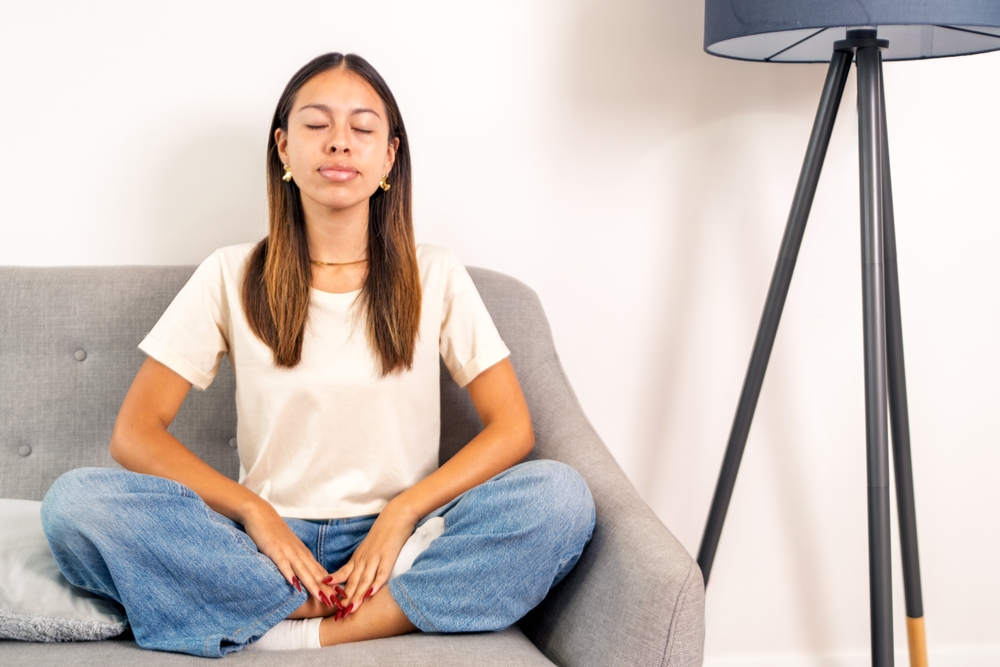
Alternative therapies encompass a wide range of non-traditional interventions designed to support mental health and overall well-being. These may include mindfulness practices, meditation, yoga, acupuncture, aromatherapy, art therapy, and other holistic approaches. Alternative therapies are often used alongside standard treatments such as psychotherapy or medication to enhance coping skills, reduce stress, and improve emotional regulation. While not a replacement for evidence-based care, these therapies provide additional tools for individuals seeking a more integrative approach to mental health.
This procedure helps to:
- Reduce stress, anxiety, and symptoms of depression.
- Improve emotional resilience and coping strategies.
- Complement traditional therapies for enhanced outcomes.
- Promote relaxation and self-awareness.
- Support overall mental, emotional, and physical well-being.
What to expect after Alternative Therapies?
Outcomes vary based on the specific therapy and individual participation. Sessions typically involve guided activities or exercises that help individuals engage with their emotions and develop mindfulness or relaxation skills. Positive effects may be immediate, such as temporary relaxation, while long-term benefits develop with consistent practice.
- Initial sessions may provide stress relief and relaxation.
- Gradual improvement in mood and emotional regulation.
- Techniques learned can be applied outside sessions.
- Participation encourages self-reflection and coping skills.
- Benefits are cumulative with regular practice.