
What is Cognitive Behavioral Therapy (CBT)?
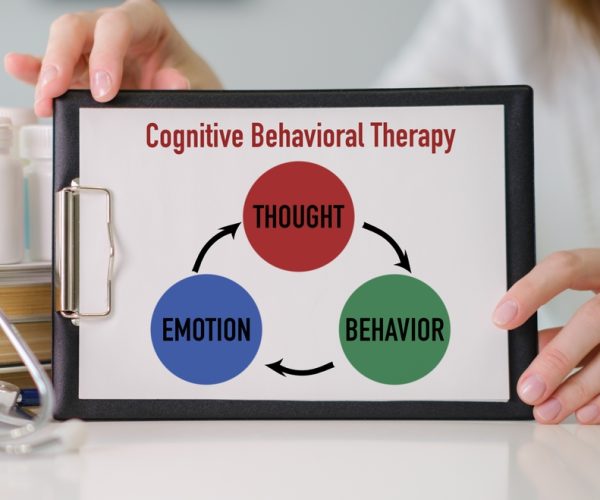
CBT is a widely used, evidence-based psychotherapy that focuses on identifying and modifying negative thought patterns and behaviors that contribute to emotional distress. It is effective for a variety of mental health conditions, including anxiety disorders, depression, phobias, and PTSD. CBT sessions are structured, usually involving homework assignments, cognitive exercises, and practical strategies to develop healthier thinking and coping mechanisms.
This procedure helps to:
- Identify and challenge negative thought patterns.
- Develop adaptive behaviors and coping strategies.
- Reduce symptoms of anxiety, depression, and other disorders.
- Improve emotional regulation and problem-solving skills.
- Empower individuals to manage mental health proactively.
What to expect after CBT?
CBT typically involves weekly sessions lasting 45–60 minutes, with active participation both during and between sessions. Progress is gradual and measurable, as individuals apply learned strategies to daily life. Over time, CBT can produce significant improvements in mood, behavior, and stress management.
- Structured sessions with actionable exercises.
- Homework and skill-building outside therapy sessions.
- Increased awareness of cognitive distortions and triggers.
- Gradual, measurable improvement in mental health symptoms.
- Long-term benefits when techniques are consistently practiced.