
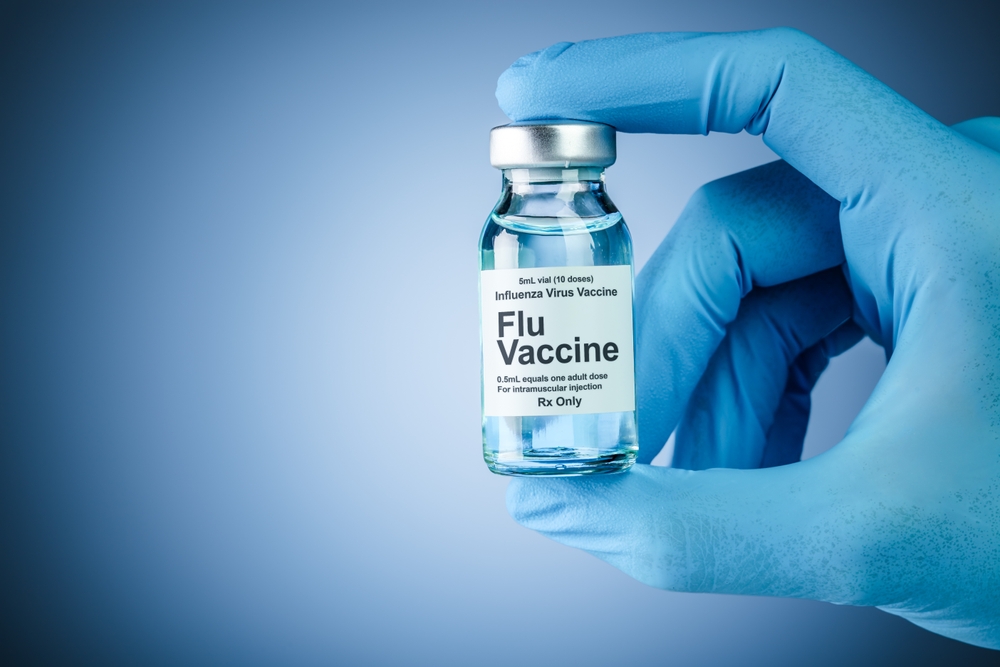
Flu season arrives every year, bringing with it the familiar debate about vaccination options. While the traditional flu shot is widely known, the nasal spray option—known as the Live Attenuated Influenza Vaccine (LAIV)—offers a needle-free alternative for many people. However, it isn’t suitable for everyone. Understanding the benefits and risks of LAIV is crucial before you or your child skips the shot in favor of the spray. This guide breaks down how it works, why it might be a good choice, and the specific contraindications of LAIV you need to watch out for. Reach out to us on https://doralhw.org/contact-us/ for a consultation with the best infectious disease doctors in Brooklyn, New York.
What is LAIV, and how does it work?
The live attenuated influenza vaccine is different from the standard flu shot. Instead of using a killed virus, LAIV uses a weakened form of the live virus. This weakened virus is strong enough to stimulate an immune response but too weak to cause the flu in healthy individuals. It is administered as a nasal spray, making it a popular choice for those with a fear of needles.
The Benefits of Choosing the Nasal Spray
For many, the biggest advantage is convenience and comfort.
- Needle-free administration: This is a major selling point for children and adults who have trypanophobia (fear of needles).
- Systemic and Local Immunity: Because it enters through the nose, LAIV may induce immunity in the mucosal lining of the nasal passages, which is where the flu virus typically enters the body.
- Broad protection: Like the shot, it protects against four distinct strains of the influenza virus.
Weighing the Benefits and Risks of LAIV
While the convenience is undeniable, you must balance the benefits and risks of LAIV carefully. It is generally safe for healthy, non-pregnant people between the ages of 2 and 49.
Common Side Effects
Most side effects are mild and short-lived. Since the vaccine contains a live (though weakened) virus, the body reacts as if it is fighting a minor infection.
- Runny nose or nasal congestion
- Sore throat
- Headache
- Mild fever or muscle aches (more common in children)
It is important to note that you cannot get the actual flu from the vaccine. The symptoms experienced are simply the immune system doing its job.
Understanding the Contraindications of LAIV
Because LAIV contains a live virus, it poses risks to certain groups that the traditional flu shot does not. Understanding the contraindications of LAIV is vital for safety. If you fall into these categories, you should opt for the inactivated flu shot instead.
Who Should Avoid LAIV?
- Children under 2 years old: There is an increased risk of wheezing.
- Adults 50 and older: Efficacy data are not as strong for this age group, and safety profiles differ.
- Pregnant women: Live vaccines are generally avoided during pregnancy as a precaution.
- Immunocompromised individuals: People with weakened immune systems (due to HIV, cancer treatment, or medications) should avoid live vaccines.
- Caregivers of severely immunocompromised people: If you care for someone in a protected environment (like a bone marrow transplant unit), you should avoid LAIV to prevent potential transmission of the weakened virus.
If you are unsure about your eligibility, consulting with an infectious disease specialist is the best course of action. They can review your medical history and recommend the safest vaccination method.
When to See a Doctor
If you or your child experiences severe reactions after vaccination, such as difficulty breathing or a high fever, seek medical attention immediately. For those with complex health histories or underlying conditions like asthma, speaking with infectious disease doctors in Brooklyn or your local area can help clarify which vaccine is safe. These specialists can navigate the nuances of vaccination schedules for high-risk patients.
Vaccination remains the most effective way to prevent influenza and its complications. By understanding the benefits and risks of LAIV, you can make an informed decision that keeps you and your community safe. While the nasal spray is a fantastic tool for many, respecting the contraindications of LAIV ensures protection for the most vulnerable.
Whether you choose the spray or the shot, the most important step is getting vaccinated. If you have specific concerns about vaccine safety or allergies, reach out to an infectious disease specialist today to discuss your options. Book your appointment now, call us on + 1-718-367-2555 to get treated! Learn more about infectious diseases at www.doralhw.org. and stay up to date on current health topics and new research, on recent infectious diseases like COVID-19. If you need help, register your information and make direct contact with our doctors at https://yuz88hfiyh7.typeform.com/Doralintake. Or visit us at 1797 Pitkin Avenue, Brooklyn, NY 11212.



