
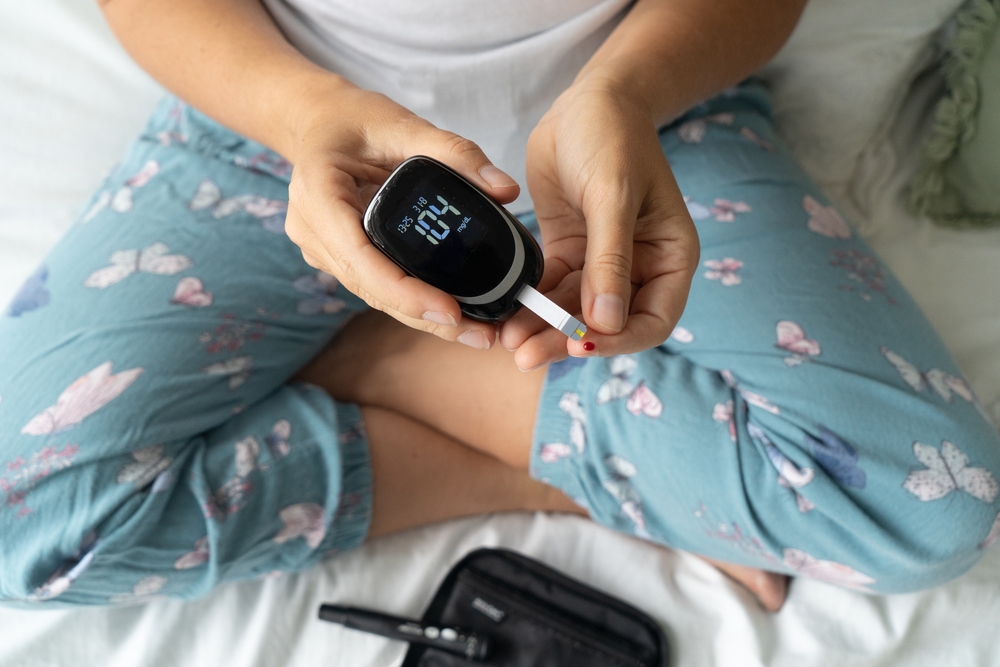
A prediabetes diagnosis serves as a crucial warning sign. It means your blood sugar levels are higher than normal but not yet high enough to be classified as type 2 diabetes. This condition affects millions, but it also presents a valuable opportunity to make lifestyle changes. One popular strategy gaining attention is using intermittent fasting to reverse prediabetes. But does it work, and is it safe? This article explores the science behind this eating pattern and offers expert insights. At Doral Health & Wellness, we have all the answers you need.
Understanding Intermittent Fasting and Its Impact on Blood Sugar
Intermittent fasting (IF) isn’t about what you eat, but when you eat. It involves cycling between periods of eating and voluntary fasting. Common methods include the 16/8 method (fasting for 16 hours and eating during an 8-hour window) and the 5:2 diet (eating normally for five days and restricting calories for two).
The core principle behind IF’s potential benefits for prediabetes lies in its effect on insulin sensitivity. When you fast, your body’s insulin levels decrease. This drop can make your cells more responsive to insulin when you do eat, allowing them to use blood glucose more effectively.
How Does Intermittent Fasting Help Reverse Prediabetes?
Research suggests that IF can be a powerful tool in managing blood sugar levels. Here’s how it can specifically help:
- Improved Insulin Sensitivity: By giving your body extended breaks from digestion, IF helps lower baseline insulin levels. This reduction can combat insulin resistance, a key factor in the development of prediabetes and type 2 diabetes.
- Weight Management: Many people find that IF helps them consume fewer calories overall, leading to weight loss. Losing even a small amount of body weight can significantly reduce the risk of prediabetes progressing to diabetes.
- Lowered Blood Sugar Levels: Studies have shown that certain forms of fasting can directly lower key markers like hemoglobin A1c (HbA1c), which reflects your average blood sugar over several months.
Consulting a Specialist: Why It’s Essential
While the benefits are promising, intermittent fasting is not a one-size-fits-all solution. It’s crucial to approach it with caution and professional guidance. Before starting any new eating regimen, you should speak with a healthcare provider or a diabetologist—a doctor specializing in diabetes care.
A diabetologist can assess your overall health, review your current medications, and help you determine if IF is a safe and appropriate strategy for you. They can also help you choose the right method and monitor your progress to ensure your blood sugar levels remain stable. Self-managing prediabetes without expert input can lead to complications.
If you are looking for local expertise, a specialized diabetes clinic in Brooklyn can offer comprehensive support, from nutritional counseling to medical supervision. These clinics provide a team-based approach to help you manage your health effectively.
Getting Started Safely
If you and your doctor decide that intermittent fasting is a good option, it’s important to start slowly.
- Choose a Method: Begin with a less restrictive approach, like the 12/12 method (fasting for 12 hours), and gradually extend the fasting window.
- Stay Hydrated: Drink plenty of water, herbal tea, or black coffee during your fasting periods.
- Focus on Nutrients: During your eating windows, prioritize nutrient-dense foods like lean proteins, healthy fats, and complex carbohydrates to keep your energy levels stable.
- Listen to Your Body: Pay attention to signs of dizziness, fatigue, or extreme hunger. Adjust your fasting schedule as needed.
Intermittent fasting can be an effective strategy for managing and potentially reversing prediabetes when combined with a healthy diet and regular exercise. However, it requires a thoughtful and informed approach. Always consult a qualified diabetologist or visit a dedicated diabetes clinic in Brooklyn to create a personalized plan that ensures both your safety and success. To book your appointment now, call us on + 1-718-367-2555 to take control of your Diabetes care! Learn more about Diabetes at www.doralhw.org. and stay up to date on current health topics and new research. If you need help, register your information and make direct contact with us at https://yuz88hfiyh7.typeform.com/Doralintake. Or visit us at 1797 Pitkin Avenue, Brooklyn, NY 11212.



