
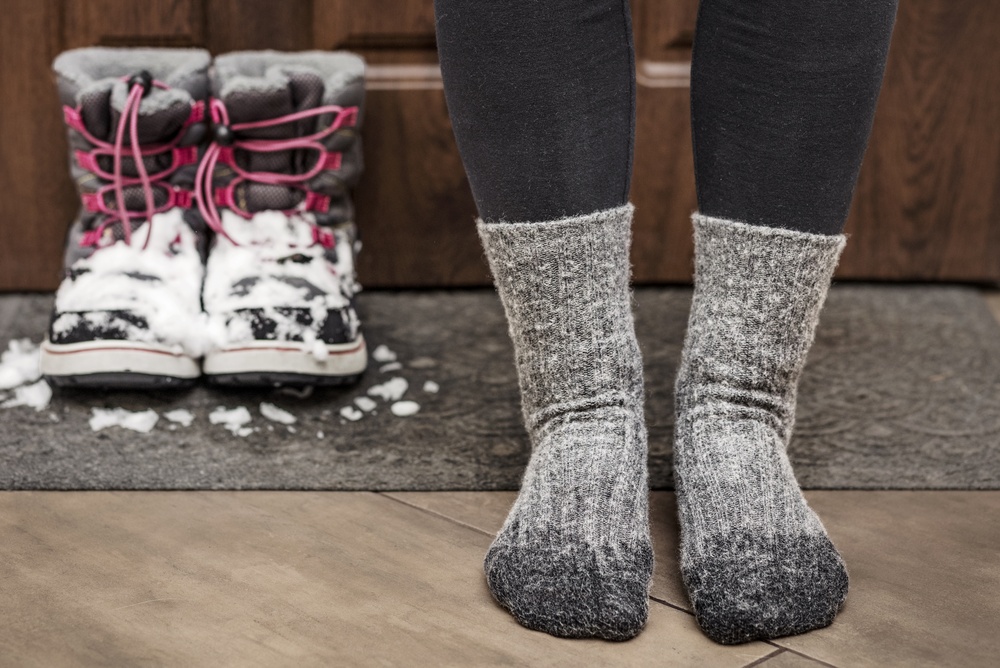
Winter can be a magical time of year, filled with snowy landscapes and cozy nights by the fire. However, the drop in temperature also brings a unique set of challenges for your extremities. From dry, cracked skin to dangerous frostbite, the cold season demands extra vigilance. Implementing effective strategies to protect your feet in winter is not just about comfort; it is about preventing serious medical issues. Whether you are an outdoor enthusiast braving the elements or simply commuting to work, your feet take a beating during these months.
Understanding how to keep your feet warm, dry, and healthy is essential. Neglecting proper care can lead to painful conditions that limit your mobility. This guide explores practical tips for daily care and outlines when to seek professional help for foot health in winter. Get a consultation with the best Podiatrists in Brooklyn.
Essential Strategies to Protect Your Feet in Winter
Keeping your feet healthy when the mercury drops involves a combination of the right gear and a solid hygiene routine. Small changes in your daily habits can make a significant difference.
Your first line of defense is your shoes. Inadequate footwear is the leading cause of winter foot problems.
- Insulation: Look for boots with proper thermal lining to retain body heat.
- Waterproofing: Wet feet get cold fast. Ensure your boots are waterproof to keep slush and snow out.
- Traction: Slippery sidewalks are a major hazard. Soles with deep treads or added traction cleats can prevent dangerous falls.
Master the Art of Layering
Socks are just as important as boots. Avoid cotton, which absorbs moisture and keeps it against your skin, making your feet colder. Instead, opt for moisture-wicking materials like merino wool or synthetic blends. These fabrics pull sweat away from the skin, keeping your feet dry and warm.
Daily Moisture Management
Winter air is notoriously dry, leading to cracked heels and fissures that can be painful and prone to infection. Apply a thick, urea-based moisturizer to your feet daily, preferably after a shower. However, avoid putting lotion between your toes, as this can encourage fungal infections like athlete’s foot.
When to Seek Professional Help for Foot Health in Winter
While home care is sufficient for most, some situations require expert intervention. Knowing when to see a doctor can save you from long-term complications. If you notice persistent pain, discoloration, or non-healing wounds, it is time to consult a professional.
Identifying Chilblains and Raynaud’s
Chilblains are small, itchy red patches that occur as a reaction to cold. Raynaud’s phenomenon causes toes to turn white or blue in response to cold temperatures. Both conditions affect circulation and can be managed with the help of a podiatrist. They can prescribe medications or recommend specialized products to improve blood flow.
Diabetic Foot Care in Winter
For individuals with diabetes, winter risks are amplified. Neuropathy (nerve damage) may prevent you from feeling how cold your feet actually are, increasing the risk of frostbite. If you have diabetes, regular check-ups at a podiatry clinic in Brooklyn are vital during the colder months to monitor for any signs of damage that you might miss.
Preventing Winter Sports Injuries
Winter sports like skiing, snowboarding, and ice skating put immense stress on the feet and ankles. Ill-fitting equipment often leads to blisters, sprains, and even fractures.
- Proper Fit: Ensure skates and boots fit snugly but do not cut off circulation.
- Warm-up: Cold muscles are more prone to injury. Always stretch before hitting the slopes.
- Rest: Listen to your body. If your feet hurt, take a break to prevent overuse injuries.
Don’t let foot pain keep you indoors this season. By following these strategies to protect your feet in winter, you can enjoy the cold weather safely and comfortably. However, if you experience persistent issues, knowing when to seek professional help for foot health in winter is crucial.
If you are experiencing winter-related foot pain or need advice on diabetic foot care, contact our team today. Visit our podiatry clinic in Brooklyn for a comprehensive evaluation to keep you moving all season long. At Doral Health & Wellness, we have Podiatrists with extensive education and expertise. Our address is 1797 Pitkin Avenue, New York, NY 11212. To make an appointment, please call + 1 718 367 2555, or register your information and make direct contact with us at https://yuz88hfiyh7.typeform.com/Doralintake or send an email to info@doralhw.org.