Changes in your toenails, such as thickening or discoloration, are often dismissed as a simple cosmetic issue. However, these could be signs of onychomycosis, the medical term for a fungal nail infection. Ignoring the early onychomycosis symptoms can lead to more persistent problems that become difficult to treat. A correct onychomycosis diagnosis is crucial for effective treatment, as many other conditions can mimic a fungal infection. This guide will walk you through the key signs to look for and explain how this common condition is identified by a professional. Get a consultation with the best Podiatrists in Brooklyn.
Key Onychomycosis Symptoms to Look For
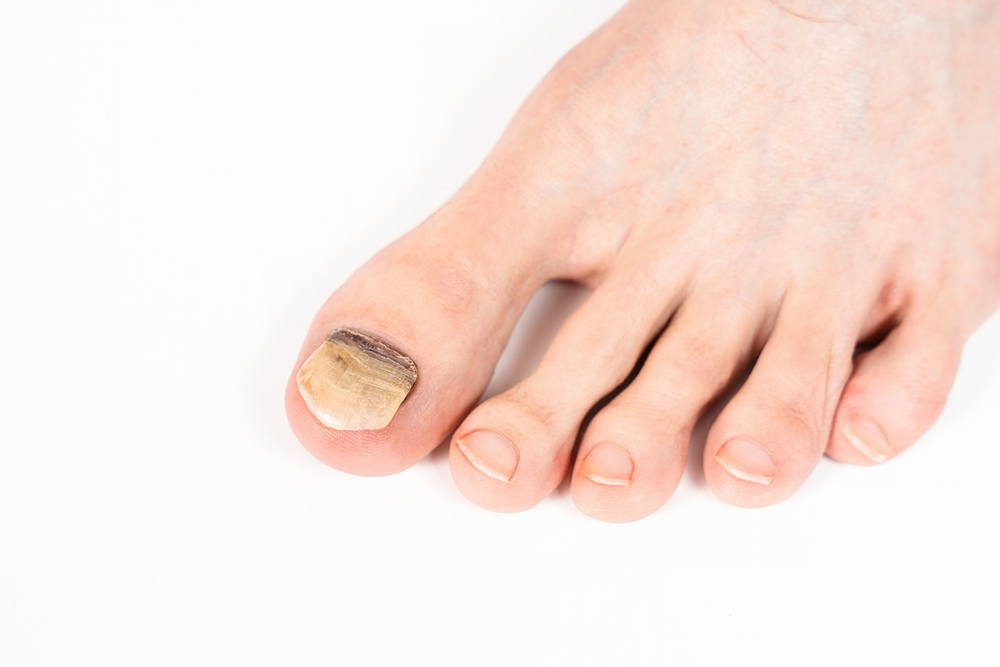
Onychomycosis can affect one or several nails and typically develops slowly over time. While it can occur in fingernails, it is far more common in toenails. The infection often starts as a small, white, or yellow spot under the tip of the nail. As the fungus spreads deeper, the symptoms become more obvious.
Common Signs of a Fungal Nail Infection
- Thickening: The nail may become abnormally thick, making it difficult to trim.
- Discoloration: The infected nail can turn yellow, brown, white, or even black.
- Brittleness: Nails may become crumbly or ragged, with pieces breaking off easily.
- Distorted Shape: The nail can become distorted in shape or lift away from the nail bed (onycholysis).
- Foul Odor: In some cases, a slightly foul smell may come from the infected nail.
- Debris Buildup: Dark-colored debris can accumulate under the nail, causing further discoloration.
While these symptoms are usually not painful in the early stages, the thickening of the nail can eventually cause discomfort or pain when wearing shoes.
How a Professional Onychomycosis Diagnosis Is Made
Because other conditions like psoriasis, nail trauma, or bacterial infections can cause similar nail changes, self-diagnosis can be unreliable. Over-the-counter treatments are often ineffective without a proper diagnosis. A definitive onychomycosis diagnosis from a healthcare professional is the best course of action.
The Diagnostic Process
- Physical Examination: A doctor or podiatrist will start by examining your nails and asking about your symptoms and medical history.
- Nail Clipping Analysis: The most reliable method for confirming a fungal infection is to take a small sample of the nail. This can be done by clipping a piece of the nail or scraping debris from underneath it.
- Laboratory Testing: The sample is sent to a lab to be examined under a microscope for signs of fungi. A culture may also be performed to grow and identify the specific type of fungus causing the infection. This step is crucial because it confirms the presence of fungus and rules out other causes.
Why Professional Care Is Important
Attempting to treat a nail condition without a confirmed diagnosis can waste time and money. If the problem isn’t fungus, antifungal treatments won’t work. For anyone experiencing persistent nail changes, seeking an expert opinion is essential. A podiatrist specializes in foot and ankle health and is uniquely qualified to diagnose and manage nail conditions.
Residents in New York can find specialized care at a local podiatry clinic in Brooklyn at Doral Health & Wellness. We have the tools and expertise to perform an accurate diagnosis and recommend the most effective treatment plan, which may include prescription oral medications, topical solutions, or advanced laser therapies. Visiting a podiatry clinic in Brooklyn ensures you receive a treatment plan tailored to your specific needs, helping you achieve clear, healthy nails. Recognizing onychomycosis symptoms is the first step toward addressing a fungal nail infection. However, obtaining a professional onychomycosis diagnosis is critical for effective treatment. If you notice any changes in your nails, don’t wait for the problem to worsen. Consulting a specialist will provide a clear path to recovery and prevent the infection from spreading or causing further complications. Our address is 1797 Pitkin Avenue, New York, NY 11212. To make an appointment, please call + 1 718 367 2555, or register your information and make direct contact with us at https://yuz88hfiyh7.typeform.com/Doralintake or send an email to info@doralhw.org.