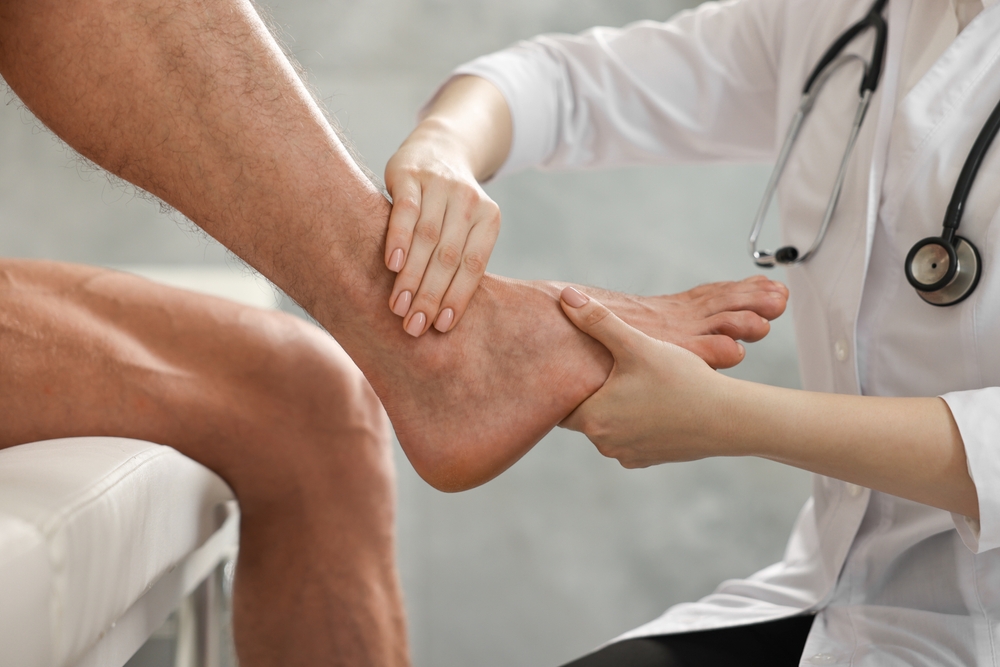
That sharp, stabbing pain in your heel with your first steps in the morning is a telltale sign of a common and frustrating condition. For millions of people, this discomfort is caused by plantar fasciitis, an inflammation of the thick band of tissue that runs across the bottom of your foot. Finding effective plantar fasciitis treatment is key to regaining mobility and getting back to your daily activities without wincing. While the pain can be persistent, the good news is that there are many paths to heel pain relief, ranging from simple at-home care to advanced medical interventions. This guide will walk you through the most effective strategies to manage and overcome plantar fasciitis. Get a consultation with the best Podiatrists in Brooklyn.
Understanding Plantar Fasciitis: More Than Just Heel Pain
The plantar fascia is a ligament that connects your heel bone to your toes and supports the arch of your foot. When this ligament is overstretched or overused, tiny tears can occur, leading to inflammation and pain. This condition is particularly common among runners, people who are overweight, and those who spend long hours on their feet. Age and certain foot mechanics, like having flat feet or a high arch, can also increase your risk. While the pain is typically most intense in the morning, it can also be triggered by long periods of standing or getting up after sitting.
When to Seek Professional Help
If your heel pain persists for more than a few weeks despite trying home remedies, it’s time to consult a professional. A podiatrist, a doctor specializing in foot and ankle care, can provide an accurate diagnosis and rule out other potential causes of your pain, such as a stress fracture or nerve issue. Early intervention from a podiatrist can prevent plantar fasciitis from becoming a chronic problem that limits your lifestyle.
Effective Plantar Fasciitis Treatment at Home
For many individuals, consistent at-home care is enough to resolve plantar fasciitis within several months. These conservative treatments focus on reducing inflammation, relieving tension in the plantar fascia, and allowing the tissue to heal.
R.I.C.E. Method
This classic approach is a great first line of defense against inflammation and pain.
- Rest: Avoid activities that aggravate your heel, like running or high-impact aerobics. Opt for low-impact exercises such as swimming or cycling.
- Ice: Apply an ice pack (wrapped in a thin towel) to your heel for 15-20 minutes, several times a day. Rolling your foot over a frozen water bottle can also be soothing.
- Compression: Using elastic bandages can help reduce swelling, though this is less common for plantar fasciitis.
- Elevation: When you’re resting, prop your foot up to help reduce swelling.
Stretching and Strengthening Exercises
Gentle stretching is crucial for heel pain relief. Specific exercises can help lengthen the plantar fascia and Achilles tendon, which are often tight in people with this condition.
- Calf Stretches: Stand facing a wall with your hands on it for support. Place the leg you want to stretch behind you, keeping your heel on the floor and your back knee straight. Lean forward until you feel a stretch in your calf. Hold for 30 seconds and repeat 3 times.
- Plantar Fascia Stretch: While seated, cross your affected foot over your other knee. Grasp your toes and gently pull them toward you until you feel a stretch in your arch. Hold for 30 seconds.
- Towel Curls: Sit on a chair with a small towel on the floor in front of you. Use your toes to scrunch the towel toward you. This helps strengthen the muscles in your foot.
Supportive Measures
Small changes to your daily routine and footwear can make a significant difference.
- Supportive Footwear: Avoid walking barefoot on hard surfaces. Choose shoes with good arch support and a cushioned sole.
- Orthotic Inserts: Over-the-counter or custom-made shoe inserts can help distribute pressure more evenly across your feet, providing support and reducing strain on the plantar fascia.
Advanced Treatment Options with a Podiatrist
If conservative, at-home treatments fail to provide adequate relief after several months, your podiatrist may recommend more advanced options. These treatments are designed to promote healing and offer a more definitive solution for persistent pain.
- Night Splints: These devices hold your foot in a flexed position overnight, stretching the plantar fascia and Achilles tendon while you sleep. This can significantly reduce morning pain.
- Physical Therapy: A physical therapist can guide you through a specialized program of exercises and may use other techniques, such as massage or ultrasound, to reduce pain and inflammation.
- Corticosteroid Injections: Injecting a steroid directly into the damaged section of the ligament can provide temporary pain relief by reducing inflammation. However, these are used carefully, as multiple injections can weaken the plantar fascia.
- Extracorporeal Shockwave Therapy (ESWT): This non-invasive procedure uses sound waves to stimulate healing in the affected tissue. It is typically considered for chronic cases that haven’t responded to other treatments.
Taking the Next Step Toward Heel Pain Relief
Living with heel pain doesn’t have to be your new normal. By understanding the causes of plantar fasciitis and exploring the available treatments, you can find lasting relief. Start with consistent at-home care, focusing on rest, stretching, and supportive footwear. If your pain continues, don’t hesitate to seek professional guidance from a podiatrist. A well-structured treatment plan is your best bet for getting back on your feet and enjoying a pain-free life. If your heel pain is unbearable and doesn’t get better with home remedies, visit our podiatry clinic in Brooklyn to get professional medical treatment. At Doral Health & Wellness, we have Podiatrists with extensive education and expertise. If you’re ready to take the next step in managing your pain, we recommend consulting with our healthcare provider to explore the right treatments or therapies for you. Always listen to your body and adjust your daily routine to prioritize your well-being. It’s not a good idea to put off seeing Foot Doctor Brooklyn until you are in a lot of pain. Our address is 1797 Pitkin Avenue, New York, NY 11212. To make an appointment, please call + 1 718 367 2555 or send an email to info@doralhw.org.