
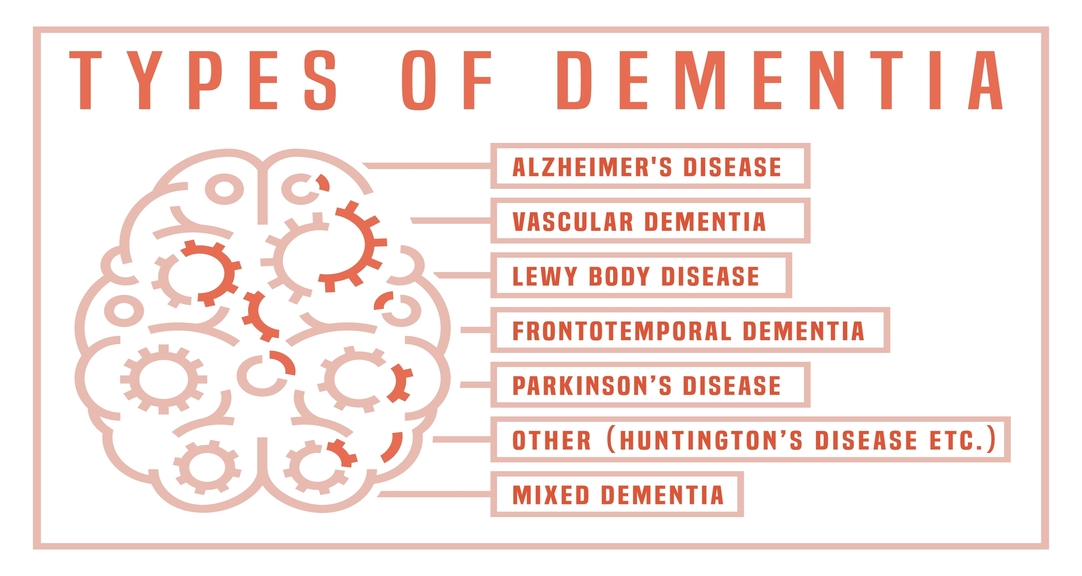
When people hear the word “dementia,” they often think of Alzheimer’s disease. While Alzheimer’s is the most common cause, dementia is not a single disease. Instead, it is a general term for a decline in mental ability severe enough to interfere with daily life. Many different conditions can cause dementia, each with unique symptoms and progression patterns. Having a comprehensive guide on major dementia types is essential for families navigating a new diagnosis. Understanding the specific type of dementia a loved one has is the first step toward finding the right treatment, support, and care strategy. Visit the best Mental Health Clinic in Brooklyn at Doral Health & Wellness, or log on to www.doralhw.org to know more.
A Comprehensive Guide on Major Dementia Types
A correct diagnosis is crucial because treatment and management strategies can vary significantly between types. A behavioral health specialist can conduct the necessary tests to differentiate them. Here are some of the most common forms of dementia.
This is the most prevalent type, accounting for 60-80% of cases. It is characterized by the formation of plaques and tangles in the brain, which damage and kill nerve cells.
- Key Symptoms: Early signs typically involve difficulty remembering recent conversations, names, or events. As the disease progresses, it affects communication, judgment, and the ability to perform daily tasks.
This type of dementia occurs due to brain damage caused by reduced or blocked blood flow to the brain, often following a stroke or a series of mini-strokes.
- Key Symptoms: Symptoms can appear suddenly after a stroke or develop gradually. They often include problems with planning, organizing, and decision-making, rather than memory loss as the primary symptom. Physical symptoms like slowed gait or poor balance are also common.
Lewy Body Dementia (LBD)
LBD is caused by abnormal protein deposits, called Lewy bodies, that develop in nerve cells in the brain. These deposits affect brain chemicals, leading to problems with thinking, movement, behavior, and mood.
- Key Symptoms: People with LBD often experience fluctuations in alertness and attention, visual hallucinations, and movement symptoms similar to Parkinson’s disease, such as tremors and stiffness.
FTD is a group of disorders caused by the progressive loss of nerve cells in the brain’s frontal or temporal lobes. It tends to occur at a younger age than Alzheimer’s, typically between 40 and 65.
- Key Symptoms: Because it affects the parts of the brain associated with personality and behavior, early symptoms often include dramatic changes in personality, socially inappropriate behavior, apathy, or language problems.
Why an Accurate Diagnosis Matters
Knowing the specific type of dementia is vital for several reasons. Certain medications that may help with Alzheimer’s can be harmful to someone with Lewy Body Dementia. Furthermore, understanding the likely progression of the disease helps families plan for the future.
If you suspect a loved one is showing signs of cognitive decline, it is crucial to seek a professional evaluation. An expert at a mental health clinic in Brooklyn can provide a thorough assessment to determine the underlying cause of the symptoms.
Navigating a dementia diagnosis is challenging, but you don’t have to do it alone. A behavioral health specialist can offer a diagnosis and help families create a care plan. They can also provide resources for managing difficult behaviors and connect caregivers with support groups. For those in the New York area, the Doral Health & Wellness Mental Health Department in Brooklyn can be an invaluable local resource for specialized care.
Dementia is a complex condition with many faces. Moving beyond the general label and understanding the specific diagnosis is empowering for patients and their families. This comprehensive guide on major dementia types serves as a starting point for that journey.
If you are concerned about memory loss or behavioral changes in a loved one, do not hesitate to seek professional help. An accurate diagnosis is the most important tool you have for planning, treatment, and providing the best possible quality of life. For further inquiries, call us on +1-718-367-2555 to get a consultation. Or log on to www.doralw.org. Visit us at 1797 Pitkin Avenue, Brooklyn, NY 11212. If you need help, register your information and make direct contact with us at https://yuz88hfiyh7.typeform.com/Doralintake.