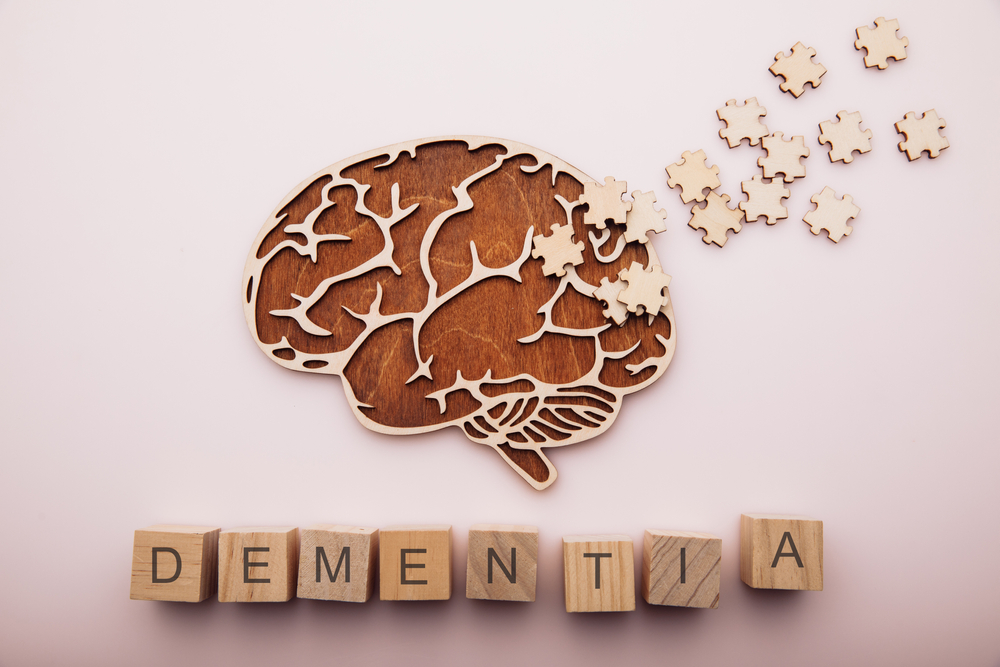
Receiving a diagnosis of dementia or noticing signs of cognitive decline in yourself or a loved one can be a deeply unsettling experience. The path forward may seem uncertain, filled with questions about the future. However, there is hope, and there are proactive steps you can take. This article serves as your ultimate guide to combating cognitive decline and dementia, offering practical strategies to manage symptoms, support brain health, and enhance quality of life. Understanding the condition is the first step toward empowerment, and this guide provides the knowledge and resources to help you navigate this journey. Visit the best Mental Health Clinic in Brooklyn at Doral Health & Wellness or log on to www.doralhw.org.
Understanding Cognitive Decline and Dementia
Cognitive decline refers to a noticeable worsening of cognitive abilities, such as memory, language, and problem-solving skills. While some decline can be a normal part of aging, significant changes may signal an underlying condition like dementia. Dementia is not a specific disease but a general term for the impaired ability to remember, think, or make decisions that interferes with doing everyday activities.
The Different Types of Dementia
It’s important to recognize that dementia encompasses several conditions, each with unique characteristics.
- Alzheimer’s Disease: The most common form, accounting for 60-80% of cases. It typically begins with memory loss and gradually affects other cognitive functions.
- Vascular Dementia: Often occurs after a stroke and is caused by reduced blood flow to the brain. Symptoms can appear suddenly and may include issues with planning and judgment.
- Lewy Body Dementia (LBD): Characterized by fluctuations in alertness, visual hallucinations, and movement problems similar to Parkinson’s disease.
- Frontotemporal Dementia (FTD): This type affects the frontal and temporal lobes of the brain, leading to changes in personality, behavior, and language.
Proactive Strategies for Combating Cognitive Decline and Dementia
While there is no cure for most types of dementia, a combination of lifestyle adjustments, medical support, and cognitive engagement can significantly slow its progression and improve daily functioning.
Lifestyle and Brain Health
A healthy lifestyle is your first line of defense. The same habits that protect your heart also protect your brain.
- Balanced Diet: A diet rich in fruits, vegetables, whole grains, and lean proteins can reduce inflammation and support brain function. The Mediterranean diet, in particular, has been linked to a lower risk of cognitive decline.
- Regular Physical Activity: Aim for at least 150 minutes of moderate-intensity exercise per week. Activities like walking, swimming, or cycling can increase blood flow to the brain and stimulate the growth of new brain cells.
- Prioritize Sleep: Quality sleep is crucial for memory consolidation and clearing toxins from the brain. Aim for 7-9 hours of uninterrupted sleep per night.
- Stay Socially Engaged: Maintaining strong social connections can help ward off feelings of isolation and depression, which are risk factors for cognitive decline.
Cognitive Stimulation
Keeping your mind active is just as important as keeping your body active. Engaging in mentally stimulating activities helps build cognitive reserve, which is the brain’s ability to withstand damage.
- Learn a New Skill: Challenge your brain by learning a new language, playing a musical instrument, or taking up a new hobby.
- Play Brain Games: Puzzles, crosswords, sudoku, and strategy games can help keep your cognitive skills sharp.
- Read Regularly: Reading books, articles, or any material that interests you is an excellent way to keep your mind engaged.
When to Seek Professional Support
Managing cognitive decline often requires a team approach. Knowing when and where to find professional help is a critical part of the process. If you notice persistent changes in memory, behavior, or thinking, consulting a healthcare professional is essential for an accurate diagnosis and treatment plan. A behavioral health specialist can offer targeted therapies and coping strategies to manage the emotional and behavioral symptoms associated with dementia.
For those in New York, finding a local clinic can provide accessible, ongoing support. A dedicated mental health clinic in Brooklyn can connect you with neurologists, geriatricians, and therapists who specialize in dementia care. These professionals work together to create a personalized plan that addresses the unique needs of each individual.
A behavioral health specialist is particularly valuable for helping families navigate the complex changes in personality and mood that can accompany dementia. They provide support not only for the person with the diagnosis but also for the caregivers who face their own set of challenges. If you are looking for comprehensive care, consider searching for a mental health clinic in Brooklyn that offers integrated services for older adults.
Combating cognitive decline and dementia is a multifaceted journey that involves proactive lifestyle choices, mental engagement, and professional support. By embracing a brain-healthy diet, staying physically active, challenging your mind, and maintaining social connections, you can build a strong foundation for cognitive resilience.
Don’t hesitate to seek guidance from experts. A collaborative approach involving medical doctors, therapists, and specialists can provide the comprehensive care needed to manage symptoms and improve your overall well-being. By taking these steps, you are not just reacting to a diagnosis—you are actively participating in your own health and creating a more empowered future. For further inquiries, call us on +1-718-367-2555 to get a consultation. Or log on to www.doralw.org. Visit us at 1797 Pitkin Avenue, Brooklyn, NY 11212. If you need help, register your information and make direct contact with us at https://yuz88hfiyh7.typeform.com/Doralintake.