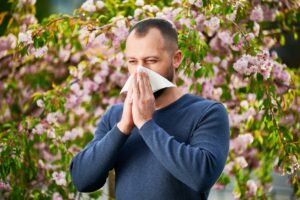
A sudden tickle, a sharp intake of breath, and then—achoo! Sneezing is a universal human experience, but for millions of people, it is not just an occasional occurrence; it is a persistent and frustrating daily battle. The connection between sneezing and allergies is profound, serving as one of the body’s most immediate defense mechanisms against perceived threats. When your immune system overreacts to harmless substances like pollen, dust, or pet dander, it triggers a cascade of reactions that result in those explosive bursts of air. Understanding the allergy science behind this reflex and recognizing nasal allergy symptoms are crucial steps in managing your condition and reclaiming your comfort. This article dives deep into the biology of the sneeze and offers practical insights for finding relief.
At Doral Health & Wellness, we are proud of our commitment to the East New York community to provide integrated interdisciplinary health services in an innovative medical facility dedicated to the health and well-being of our patients. Our team of specialists delivers trusted medical treatments and personalized quality care to guide you through every step of your health journey. We provide a supportive environment where you can receive expert diagnosis and compassionate care for all your allergic conditions.
The Anatomy of a Sneeze
To understand why we sneeze, we first need to look at the mechanism itself. Sneezing, or sternutation, is a coordinated reflex involving the nervous system, respiratory muscles, and the brain.
The Trigger Phase
It all starts when the sensitive mucous membranes lining your nose are irritated. This irritation stimulates the trigeminal nerve, which sends a message to the “sneeze center” in the brainstem. In the context of sneezing and allergies, this irritation is not caused by a virus or bacteria, but by an allergen landing on the nasal lining.
The Execution Phase
Once the brain receives the signal, it orchestrates a massive response.
- Deep Inspiration – You take a quick, deep breath, filling your lungs with air.
- Closure – The vocal cords close, and the glottis shuts to trap the air in the lungs.
- Contraction – The diaphragm and abdominal muscles contract forcefully, building up immense pressure.
- Release – The glottis opens suddenly, and the air is expelled at speeds of up to 100 miles per hour, clearing the nasal passages of the irritant.
Unpacking Allergy Science: The Immune System’s Role
The reason sneezing and allergies go hand-in-hand lies in the immune system’s mistaken identity of harmless substances. This process involves complex biological interactions that constitute the core of allergy science.
Sensitization
When you are first exposed to an allergen, like ragweed pollen, your body may tag it as a threat. Your immune system produces specific antibodies called Immunoglobulin E (IgE). These antibodies attach themselves to mast cells, which are abundant in the nose, eyes, and lungs.
The Allergic Reaction
Upon the next exposure, the allergen binds to the IgE antibodies on the mast cells. This acts like a key in a lock, triggering the mast cells to release a flood of chemicals, primarily histamine.
Histamine’s Havoc
Histamine is the main culprit behind nasal allergy symptoms. It causes:
- Dilation of Blood Vessels – Leading to congestion and swelling.
- Increased Mucus Production – Resulting in a runny nose.
- Nerve Stimulation – Directly triggering the itching sensation and the sneeze reflex.
Identifying Common Nasal Allergy Symptoms
Sneezing rarely happens in isolation. It is usually part of a cluster of symptoms known as allergic rhinitis, or hay fever. Recognizing the full spectrum of nasal allergy symptoms can help distinguish allergies from a common cold.
The “Allergic Salute” and Other Signs
- Runny or Stuffy Nose – The discharge is typically clear and thin, unlike the thick, yellow, or green mucus often seen in infections.
- Itchy Eyes, Nose, and Throat – This itchiness is a hallmark of an allergic reaction.
- Watery Eyes – Histamine also affects the tear ducts, causing excessive tearing.
- Dark Circles – Often called “allergic shiners,” these dark circles under the eyes are caused by swollen blood vessels and congestion.
If these symptoms persist for weeks or occur seasonally, it is likely time to search for an “allergologist near me” to get a proper diagnosis.
Triggers That Set Off the Sneeze
Identifying what triggers your sneezing and allergies is the first step toward prevention. Allergens can be found both indoors and outdoors.
Outdoor Allergens
- Tree Pollen – Common in the spring.
- Grass Pollen – Typically peaks in late spring and summer.
- Weed Pollen – Ragweed is a major offender in the fall.
Indoor Allergens
- Dust Mites – Microscopic creatures that live in bedding and upholstery.
- Pet Dander – Proteins found in the skin flakes, saliva, and urine of furry animals.
- Mold Spores – Thrive in damp areas like basements and bathrooms.
An allergy clinic in Brooklyn can perform specific tests to pinpoint exactly which of these triggers is causing your immune system to react.
Management and Treatment Options
While you cannot change your genetics, there are numerous ways to manage the link between sneezing and allergies. A comprehensive approach usually involves avoidance, medication, and immunotherapy.
Environmental Control
Limiting exposure is the most effective strategy.
- Keep Windows Closed – especially during high pollen seasons.
- Use Air Purifiers – HEPA filters can trap airborne allergens indoors.
- Wash Bedding Weekly – Use hot water to kill dust mites.
Pharmacological Interventions
Over-the-counter and prescription medications can block the chemical reactions described in allergy science.
- Antihistamines – Block the action of histamine, reducing sneezing and itching.
- Nasal Corticosteroids – Reduce inflammation in the nasal passages, treating congestion and sneezing at the source.
- Decongestants – Help shrink swollen blood vessels to relieve stuffiness.
Immunotherapy
For severe cases, allergy shots or sublingual tablets (drops under the tongue) can help desensitize the immune system over time. This long-term solution is best supervised by an allergist in NYC.
When to See a Specialist
If over-the-counter medications are not providing relief, or if your symptoms are interfering with your sleep and daily life, professional help is necessary. An allergologist near me can offer advanced diagnostic tools, such as skin prick tests or blood tests, to confirm your sensitivities.
Finding a reputable allergy clinic in Brooklyn ensures you have access to a team that understands the local environmental factors affecting residents. Specialists can create a personalized treatment plan that goes beyond temporary symptom relief, aiming for long-term control of your allergic reactions.
Sneezing is a natural, protective reflex, but when it becomes chronic due to allergies, it signals that your body is fighting a battle it doesn’t need to fight. By understanding the allergy science behind the reaction and recognizing the key nasal allergy symptoms, you can take proactive steps to calm your immune system. Whether through environmental changes or medical intervention, relief is attainable. Do not let sneezing and allergies dictate your life; seek the professional support needed to breathe freely again.
Your health is our priority. To schedule a comprehensive allergy evaluation and discuss a personalized treatment plan, contact Doral Health & Wellness today at 1-718-365-2555 or visit us at 1797 Pitkin Avenue, Brooklyn, New York 11212. We are committed to providing the supportive and expert care you deserve. For general information about Doral Health & Wellness services, you can contact or email info@doralhw.org.