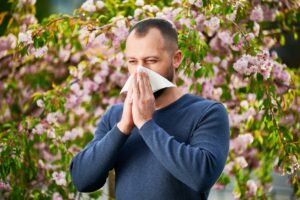

As the seasons change and nature begins to bloom, millions of people find themselves dreading the arrival of spring and fall. Instead of enjoying the warmer weather, they are met with a barrage of sneezing, congestion, and itchy eyes. Seasonal allergies, often referred to as hay fever or allergic rhinitis, are a common condition triggered by the body’s immune system reacting to outdoor allergens like pollen. While the arrival of pollen is inevitable, suffering through it is not. By understanding your triggers and implementing effective pollen allergy tips, you can navigate this time of year with confidence. This guide provides comprehensive strategies for allergy season survival, ensuring you can enjoy the outdoors without compromising your health.
At Doral Health & Wellness, we are proud of our commitment to the East New York community to provide integrated interdisciplinary health services in an innovative medical facility dedicated to the health and well-being of our patients. Our team of specialists delivers trusted medical treatments and personalized quality care to guide you through every step of your health journey. We provide a supportive environment where you can receive expert diagnosis and compassionate care to manage your seasonal allergy symptoms effectively.
Understanding Seasonal Allergies
Before diving into solutions, it is crucial to understand what is happening inside your body. Seasonal allergies occur when your immune system mistakenly identifies harmless airborne substances—such as pollen from trees, grasses, and weeds—as dangerous invaders.
The Immune Response
When you inhale pollen, your immune system produces specific antibodies called Immunoglobulin E (IgE). These antibodies travel to cells that release chemicals, including histamine, which causes an allergic reaction.
Common Symptoms
The release of histamine leads to the classic symptoms many dread:
- Runny or Stuffy Nose – Inflammation in the nasal passages restricts airflow.
- Sneezing – The body’s attempt to expel the allergen.
- Itchy Eyes, Nose, and Throat – Irritation caused by the chemical reaction.
- Fatigue – The constant immune response can leave you feeling drained.
Essential Pollen Allergy Tips for Home Management
You cannot control the pollen count outside, but you can control your environment inside. Minimizing exposure is the first line of defense in allergy season survival.
Create a Pollen-Free Zone
Your home should be a sanctuary from allergens.
- Keep Windows Closed – During high pollen seasons, resist the urge to open windows. Use air conditioning in your home and car to filter the air.
- Change Your Filters – Ensure your HVAC system has high-efficiency particulate air (HEPA) filters and change them regularly.
- Shower Before Bed – Pollen can stick to your hair and skin. Showering before sleep prevents you from transferring allergens to your pillow and inhaling them all night.
Dress for Success
Your clothing can trap pollen throughout the day.
- Wear Sunglasses – Large sunglasses can protect your eyes from pollen entering and causing irritation.
- Change Clothes Immediately – When you come home from being outdoors, remove your shoes and outer layers at the door to avoid tracking pollen inside.
- Don’t Hang Laundry Outside – Pollen can stick to sheets and towels. Use a dryer instead of a clothesline.
Timing Is Everything: Planning Your Day
Pollen counts vary throughout the day and depending on the weather. Incorporating these pollen allergy tips into your schedule can significantly reduce your exposure.
Watch the Weather
- Dry, Windy Days – These are the worst days for allergy sufferers, as wind spreads pollen widely.
- Rainy Days – Rain helps clear pollen from the air, making it the best time for outdoor activities.
Monitor Pollen Counts
Most weather apps provide daily pollen forecasts.
- Stay Indoors During Peaks – Pollen counts are often highest in the early morning and late afternoon. Try to schedule outdoor exercise or gardening for other times if possible.
- Pre-medicate – If high pollen counts are forecast, start taking your allergy medication before your symptoms begin.
Medications and Treatments
Over-the-counter (OTC) medications are often the first step in treating seasonal allergies. However, finding the right combination can be tricky.
Antihistamines
These block the histamine chemical that causes symptoms. Newer non-drowsy options are effective for daytime use, while older types can help with sleep but cause drowsiness.
Nasal Sprays
- Corticosteroid Sprays – These reduce inflammation in the nasal passages and are highly effective for congestion.
- Saline Rinses – Using a neti pot or saline spray can physically flush pollen and mucus out of your nose, providing relief without medication.
Immunotherapy (Allergy Shots)
For those with severe symptoms that do not respond to medication, immunotherapy may be recommended. This involves receiving regular injections of small amounts of allergens to desensitize your immune system over time. This treatment is typically administered by a specialist at an allergy clinic in Brooklyn or similar facility.
When to See a Specialist
If OTC medications aren’t providing enough relief, or if your allergies are triggering other conditions like asthma or sinus infections, it is time to seek professional help. A search for an “allergologist near me” can connect you with the expertise needed for advanced care.
Diagnostic Testing
A professional can perform skin prick tests or blood tests to identify exactly what you are allergic to. Knowing your specific triggers allows for more targeted avoidance and treatment strategies.
Personalized Treatment Plans
An allergist in NYC can prescribe stronger medications or recommend immunotherapy. They can also help you differentiate between allergies and other conditions, such as a chronic cold or deviated septum.
Complication Management
Untreated allergies can lead to complications like sinusitis or ear infections. Seeking care at an allergy clinic in Brooklyn ensures these issues are monitored and treated promptly, preventing long-term health problems.
Lifestyle Adjustments for Allergy Season Survival
Beyond medication and avoidance, general health habits play a role in how your body handles allergies.
Reduce Stress
High stress levels can worsen allergic reactions. Incorporating relaxation techniques like deep breathing or yoga can help keep your immune system balanced.
Hydration
Drinking plenty of water helps thin the mucus in your nasal passages, making it easier to expel and providing relief from stuffiness.
Diet Considerations
Some people with pollen allergies experience “oral allergy syndrome,” where certain raw fruits and vegetables cause an itchy mouth because their proteins resemble pollen. If you notice this, cooking the food usually neutralizes the reaction.
Seasonal allergies do not have to dictate your life or keep you trapped indoors. By understanding the mechanics of your body’s reaction and implementing strategic pollen allergy tips, you can significantly reduce your symptoms. From managing your home environment to timing your outdoor activities and utilizing effective medications, allergy season survival is achievable. However, when self-care isn’t enough, professional guidance is invaluable. Seeking the help of an allergist in NYC or a local specialist ensures you have access to comprehensive diagnostics and advanced treatments. With the right plan in place, you can breathe easier and enjoy every season to the fullest.
Your health is our priority. To schedule a comprehensive allergy evaluation and develop a personalized management plan, contact Doral Health & Wellness today at 1-718-365-2555 or visit us at 1797 Pitkin Avenue, Brooklyn, New York 11212. We are committed to providing the supportive and expert care you deserve. For general information about Doral Health & Wellness services, you can contact or email info@doralhw.org.