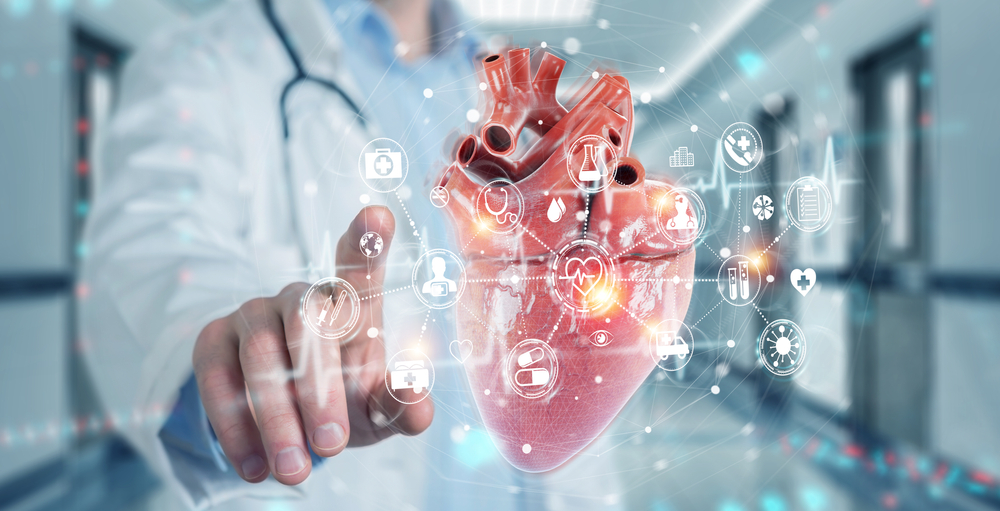
Healthcare is rapidly moving beyond the walls of the hospital, and cardiac care is leading the charge. The rise of remote heart monitoring technology is changing how patients and doctors manage cardiovascular conditions. This innovative approach allows for continuous data collection from the comfort of your home, offering significant clinical advantages. While there are incredible benefits of remote heart monitoring, it’s also important to understand its potential drawbacks. This article explores the clinical value, accessibility, and a few disadvantages of remote heart monitoring to provide a complete picture. Get a consultation with the best cardiologists in Brooklyn.
The Key Benefits of Remote Heart Monitoring
Remote patient monitoring uses digital technologies to capture and transmit health data from patients to their healthcare providers. For cardiac care, this often involves devices that track heart rhythm, blood pressure, and other vital signs. The data is sent securely to a cardiologist, who can review it in near real-time.
Early Detection of Arrhythmias
One of the most significant clinical benefits is the ability to detect asymptomatic or infrequent arrhythmias, such as atrial fibrillation (AFib). A standard EKG in a doctor’s office only provides a brief snapshot of your heart’s activity. A remote monitor, whether it’s a wearable patch or an implantable loop recorder, can track your heart rhythm for days, weeks, or even years. This continuous oversight drastically increases the chances of catching an irregular heartbeat before it can cause a more serious event like a stroke.
Improved Management of Chronic Conditions
For patients with chronic conditions like heart failure or hypertension, remote monitoring is a game-changer.
- Heart Failure: Daily monitoring of weight, blood pressure, and heart rate can alert doctors to early signs of fluid retention, a common and dangerous complication of heart failure. This allows for prompt medication adjustments that can prevent hospitalization.
- Hypertension: Regular, automated blood pressure readings taken at home provide a more accurate picture of a patient’s blood pressure than occasional office visits, helping doctors fine-tune treatment plans more effectively.
Enhanced Patient Engagement and Peace of Mind
When patients are involved in tracking their own health data, they often become more engaged in their care. They gain a better understanding of how their lifestyle choices—like diet and exercise—impact their heart health. Furthermore, knowing that a medical team is keeping a watchful eye provides a profound sense of security and peace of mind.
Making Cardiac Care More Accessible
Beyond the clinical advantages, remote heart monitoring breaks down significant barriers to care. Patients in rural areas or those with mobility issues no longer need to travel frequently for routine check-ups. This convenience reduces the time and cost associated with transportation and time off from work.
Telehealth consultations, paired with data from remote monitors, allow a physician to conduct a thorough follow-up visit from anywhere. This accessibility ensures that patients receive consistent, high-quality care regardless of their location. For those living in urban areas, it means connecting with the best cardiologist Brooklyn has to offer without needing to navigate traffic and public transit for every appointment.
Potential Disadvantages of Remote Heart Monitoring
While the benefits are substantial, it’s important to acknowledge the potential challenges.
- Technology and Digital Literacy: Some patients, particularly older adults, may find technology intimidating or difficult to use. Proper training and user-friendly devices are essential to overcome this hurdle.
- Data Overload: The sheer volume of data generated can be overwhelming for clinical staff if not managed by sophisticated software and clear protocols. Healthcare systems must invest in the infrastructure to handle this information effectively.
- Potential for Anxiety: For some individuals, constant monitoring and notifications can lead to increased health anxiety. Patients need to have clear communication channels with their care team to discuss any concerns.
- Cost and Insurance Coverage: While coverage is improving, not all insurance plans may fully cover the cost of the devices and monitoring services. Patients should clarify this with their provider and insurance company beforehand.
Is Remote Heart Monitoring Right for You?
The decision to use remote monitoring is a personal one that should be made in consultation with a trusted healthcare provider. Your cardiologist can assess your specific condition, risk factors, and comfort level with technology to determine if it’s an appropriate option for you.
For many, the clinical benefits of remote heart monitoring—including early detection, better chronic disease management, and greater peace of mind—far outweigh the potential drawbacks. This technology represents a major step forward in creating a more proactive, personalized, and accessible model of cardiac care.
If you have a heart condition or are at high risk for developing one, ask your doctor about remote monitoring. Seeking an expert opinion, such as from the best cardiologist Brooklyn provides, can give you a clear understanding of how these modern tools can be integrated into your care plan for a healthier future. For any cardiovascular problems, call us on +1 718 367 2555. The Cardiologists at Doral Health & Wellness consistently have outstanding patient satisfaction ratings. The professionals at Doral Health & Wellness Cardiology Brooklyn can improve your health and quality of life because of their vast training and experience. New Yorkers can get the greatest medical, surgical, and cardiovascular care at Doral Health & Wellness Brooklyn. Visit us at 1797 Pitkin Avenue, Brooklyn, NY 11212.