The connection between weight and overall health is well-established, but many people may not be fully aware of the specific dangers excess weight poses to their circulatory system. Understanding the clear link between obesity and vascular disease is essential for prevention and management. The significant obesity and vascular disease risks involve a range of conditions that can severely impact your quality of life. Excess body weight places a heavy burden on your heart, veins, and arteries, setting the stage for serious health complications. This article will explore this connection and offer tips to reduce vascular disease risks by managing obesity. Get a consultation with the best vascular disease specialists in Brooklyn.
The Link Between Obesity and Vascular Disease Risks
Obesity is more than just a number on a scale; it’s a complex condition that triggers harmful changes throughout the body. These changes directly contribute to the development and progression of vascular diseases.
Increased Inflammation and Endothelial Dysfunction
Excess adipose (fat) tissue is not just a storage depot for energy; it is metabolically active and releases inflammatory substances into the bloodstream. This chronic low-grade inflammation can damage the endothelium, the delicate inner lining of your blood vessels. When the endothelium is damaged, it loses its ability to function correctly, a condition known as endothelial dysfunction. This makes it easier for cholesterol and other substances to build up, forming plaques that narrow and harden the arteries.
High Blood Pressure (Hypertension)
Obesity is a leading cause of high blood pressure. Excess weight requires the heart to pump harder to supply blood to all the body’s tissues. This increased workload puts extra force on the artery walls. Over time, hypertension can damage and weaken your arteries, making them more susceptible to atherosclerosis and increasing your risk for heart attacks and strokes.
Unhealthy Cholesterol and Triglyceride Levels
Obesity often leads to an unhealthy lipid profile, characterized by:
- High LDL (“bad”) cholesterol: This type of cholesterol contributes directly to plaque buildup in the arteries.
- Low HDL (“good”) cholesterol: HDL cholesterol helps remove excess cholesterol from the arteries, so low levels are detrimental.
- High triglycerides: These are another type of fat in the blood that, at high levels, contributes to the hardening of arteries.
This combination of factors significantly accelerates the process of atherosclerosis, the root cause of many vascular diseases.
Common Vascular Diseases Exacerbated by Obesity
The systemic impact of obesity creates a high-risk environment for several specific and serious vascular conditions.
- Peripheral Artery Disease (PAD): This condition involves the narrowing of arteries that supply blood to the limbs, most often the legs. The plaque buildup restricts blood flow, causing symptoms like leg pain, cramping (claudication), numbness, and non-healing sores on the feet.
- Coronary Artery Disease (CAD): When atherosclerosis affects the arteries supplying blood to the heart muscle, it results in CAD. This can lead to chest pain (angina) and is the primary cause of heart attacks.
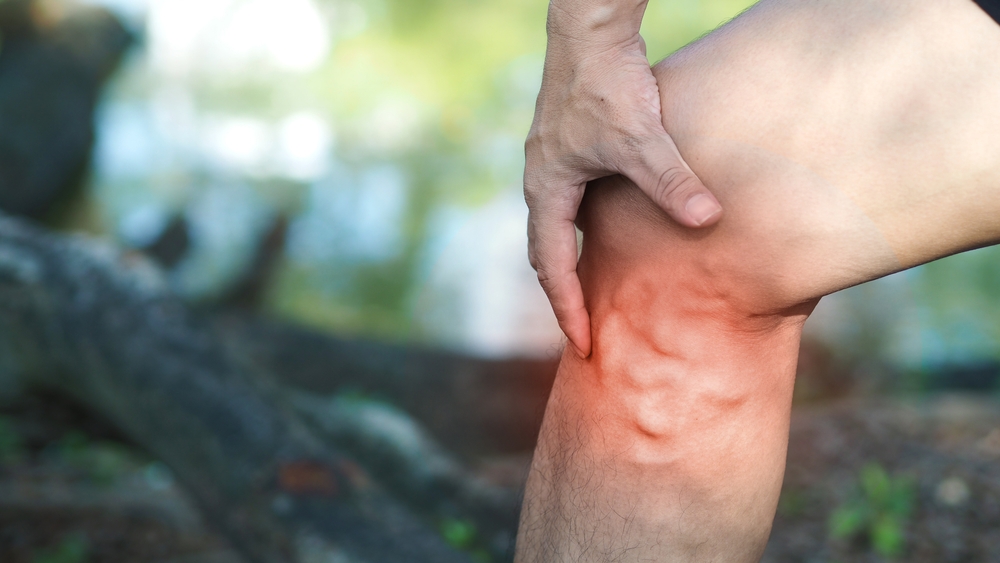
- Chronic Venous Insufficiency (CVI) and Varicose Veins: Excess body weight puts immense pressure on the veins in the legs, damaging the valves that help push blood back toward the heart. This leads to blood pooling, swelling, skin changes, and the development of painful varicose veins.
- Deep Vein Thrombosis (DVT): Obesity is a major risk factor for DVT, a condition where a blood clot forms in a deep vein, usually in the leg. This is dangerous because the clot can break free and travel to the lungs, causing a life-threatening pulmonary embolism.
Tips to Reduce Vascular Disease Risks by Managing Obesity
Taking control of your weight is one of the most powerful actions you can take to protect your vascular health. Here are some effective strategies:
- Adopt a Heart-Healthy Diet: Focus on a diet rich in fruits, vegetables, whole grains, and lean proteins. Limit your intake of processed foods, sugary drinks, and saturated and trans fats.
- Engage in Regular Physical Activity: Aim for at least 150 minutes of moderate-intensity exercise, such as brisk walking, swimming, or cycling, per week. Exercise helps improve circulation, lower blood pressure, and manage weight.
- Prioritize Consistent Sleep: Poor sleep can disrupt hormones that regulate appetite, leading to weight gain. Aim for 7-9 hours of quality sleep per night.
- Manage Stress: Chronic stress can contribute to weight gain and high blood pressure. Incorporate stress-reducing activities like yoga, meditation, or hobbies into your routine.
When to Consult a Specialist
If you are struggling with obesity and are concerned about your vascular health, or if you are experiencing symptoms like leg pain, swelling, or varicose veins, it is crucial to seek professional medical advice. A primary care physician can be your first point of contact, but you may be referred to a vascular surgeon for specialized care.
A specialist at a vascular clinic in Brooklyn can perform a thorough evaluation, including diagnostic tests like ultrasounds, to assess the health of your blood vessels. Based on the findings, the vascular surgeon can recommend a comprehensive management plan, which may include lifestyle modifications, medication, or minimally invasive procedures. Don’t hesitate to seek expert guidance; visiting a vascular clinic in Brooklyn is a proactive step toward a healthier future. For any vascular problems, call us on + 1-718-367-2555. The Vascular Disease Specialists at Doral Health & Wellness consistently have outstanding patient satisfaction ratings. The professionals at Doral Health & Wellness Vascular Health Department Brooklyn can improve your health and quality of life because of their vast training and experience. New Yorkers can get the greatest medical and surgical vascular care at Doral Health & Wellness Brooklyn. If you need help, register your information and make direct contact with our doctors at https://yuz88hfiyh7.typeform.com/Doralintake or send an email to info@doralhw.org. Visit us at 1797 Pitkin Avenue, Brooklyn, NY 11212.