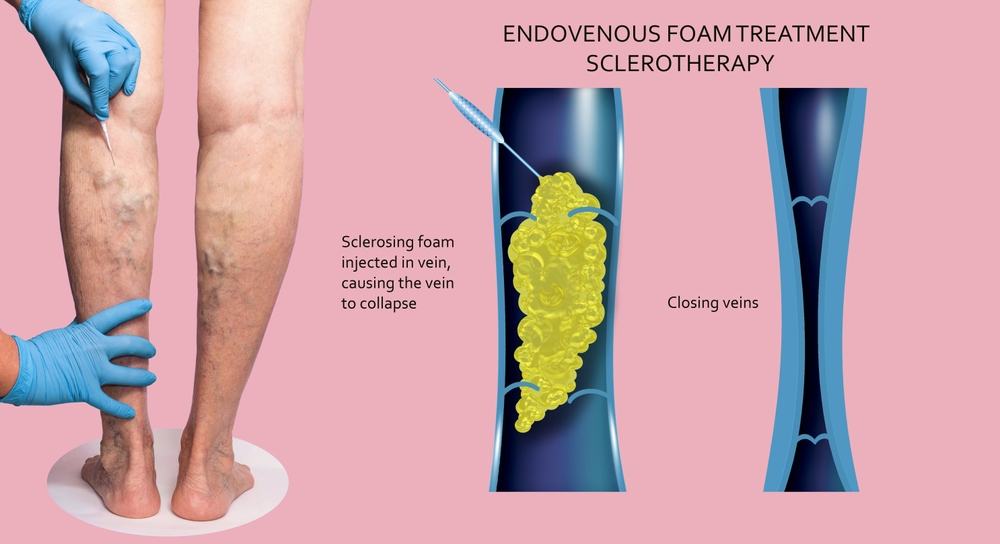
Chronic Venous Insufficiency (CVI) can cause significant discomfort, from aching and swollen legs to the development of varicose veins. For those seeking relief, modern medicine offers highly effective, minimally invasive treatments. One of the leading options is Endovenous Laser Ablation (EVLA) for CVI. This advanced procedure provides a powerful alternative to traditional vein stripping surgery, helping patients restore healthy circulation and improve their quality of life. Understanding the EVLA procedure along with the EVLA pros and cons can help you decide if this treatment is the right choice for your vascular health needs. Get a consultation with the best vascular disease specialists in Brooklyn.
Understanding CVI and Why Treatment Is Necessary
Chronic venous insufficiency occurs when the one-way valves in your leg veins become damaged or weakened. These valves are supposed to help blood flow upward toward the heart against gravity. When they fail, blood begins to flow backward and pool in the lower legs. This condition, known as venous reflux, leads to increased pressure in the veins and causes symptoms like:
- Leg pain, aching, or cramping
- Swelling in the ankles and feet
- Feelings of heaviness or fatigue in the legs
- Itchy skin or a rash on the legs
- Skin discoloration (stasis dermatitis)
- Leg ulcers (in advanced cases)
Left untreated, CVI is a progressive disease that will worsen over time. EVLA is designed to address the root cause of the problem by closing the faulty vein.
What is the Endovenous Laser Ablation (EVLA) Procedure?
Endovenous laser ablation is a minimally invasive treatment performed by a vascular surgeon to close a diseased saphenous vein, which is often the source of varicose veins and CVI symptoms. The entire EVLA procedure is typically completed in under an hour on an outpatient basis.
The Step-by-Step Process
- Mapping the Vein: Before the procedure begins, your surgeon will use ultrasound imaging to map the vein that needs to be treated. This ensures the precise placement of the laser fiber.
- Local Anesthesia: The area where the catheter will be inserted is numbed with a local anesthetic. You will be awake and comfortable throughout the treatment. The surgeon will also inject a tumescent anesthetic along the length of the vein, which numbs the area, protects surrounding tissue from the laser heat, and collapses the vein around the fiber for better contact.
- Inserting the Laser Fiber: A tiny incision, usually near the knee, is made to access the vein. A thin catheter is inserted into the vein, and a laser fiber is threaded through it to the top of the targeted vein section.
- Applying Laser Energy: Once the fiber is in position, the surgeon activates the laser. As the fiber is slowly withdrawn, it delivers controlled bursts of laser energy. This heat seals the vein shut from the inside.
- Redirecting Blood Flow: Once the problematic vein is closed, the body naturally reroutes blood flow through other, healthier veins in the leg. The sealed vein is gradually absorbed by the body over time.
EVLA Pros and Cons: Is It Right for You?
Like any medical procedure, it’s important to weigh the benefits and potential drawbacks.
Pros of EVLA
- Minimally Invasive: It involves only a tiny incision, meaning no stitches and minimal scarring.
- High Success Rate: EVLA has a success rate of over 95% in effectively closing the targeted vein.
- Quick Recovery: Most patients can resume normal daily activities within a day or two. Strenuous activity should be avoided for about one to two weeks.
- Symptom Relief: The procedure provides significant relief from the pain, swelling, and discomfort associated with CVI.
- Performed In-Office: EVLA is conveniently performed in a vascular clinic in Brooklyn, avoiding the need for a hospital stay.
Cons of EVLA
- Potential Side Effects: While generally safe, some patients may experience temporary side effects like bruising, swelling, or a feeling of tightness along the treated vein.
- Not for Everyone: EVLA is not suitable for all patients. For instance, it may not be recommended for veins that are excessively twisted or for patients with certain medical conditions.
- Nerve Irritation: There is a small risk of nerve irritation, which can cause numbness or tingling in the leg. This is usually temporary.
What to Expect After the Procedure
Recovery from EVLA is typically fast and straightforward. Your vascular surgeon will likely recommend that you wear compression stockings for a period after the treatment to help reduce swelling and support healing. Walking is encouraged to promote healthy circulation. You will have a follow-up appointment, usually within a week, where an ultrasound is performed to confirm that the vein has been successfully closed.
If you are tired of living with the painful symptoms of CVI, it may be time to explore your treatment options. A consultation at a reputable vascular clinic in Brooklyn can help determine if you are a good candidate for EVLA. An experienced specialist can assess your condition and guide you toward the best path for relief. For any vascular problems, call us on + 1-718-367-2555. The Vascular Disease Specialists at Doral Health & Wellness consistently have outstanding patient satisfaction ratings. The professionals at Doral Health & Wellness Vascular Health Department Brooklyn can improve your health and quality of life because of their vast training and experience. New Yorkers can get the greatest medical and surgical vascular care at Doral Health & Wellness Brooklyn. If you need help, register your information and make direct contact with our doctors at https://yuz88hfiyh7.typeform.com/Doralintake or send an email to info@doralhw.org. Visit us at 1797 Pitkin Avenue, Brooklyn, NY 11212.