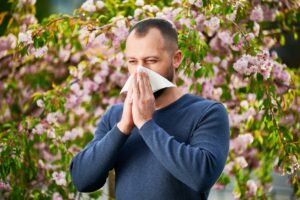

A sudden change in weather can be dramatic, but for some people, it can also be dangerous. While thunderstorms are common, a rare and serious phenomenon known as thunderstorm asthma can catch entire communities by surprise. This event can trigger severe asthma attacks, even in people who have never been diagnosed with asthma before. This complete Thunderstorm Asthma guide is designed to explain what this condition is, its causes, and the key Thunderstorm Asthma symptoms to watch for. Understanding this weather-related health risk is crucial for staying safe, especially for those with pollen allergies. At Doral Health & Wellness, we have all the answers you need.
What is thunderstorm asthma?
Thunderstorm asthma is a potent mix of specific weather conditions and airborne allergens that can lead to widespread, severe asthma attacks. It occurs when a thunderstorm, with its high winds and humidity, passes over an area with a high pollen count. This isn’t just a regular asthma attack that happens during a storm; it’s a large-scale event that can affect many people simultaneously.
The mechanism is unique. During a thunderstorm, several things happen:
- Pollen Absorption: Strong updrafts suck whole pollen grains up into the clouds.
- Rupturing: The high humidity in the clouds causes these grains to absorb moisture and burst open, releasing hundreds of much smaller allergenic particles.
- Dispersion: Downdrafts then carry these microscopic particles back down to ground level, creating a highly concentrated cloud of allergens that can be easily inhaled deep into the lungs.
Because these particles are so small, they bypass the normal defenses in the nose and upper airways, penetrating directly into the lower airways and triggering a severe inflammatory response.
Recognizing the Key Thunderstorm Asthma Symptoms
The symptoms of thunderstorm asthma can develop rapidly and are often more severe than a typical asthma attack. It is critical to recognize these signs, as prompt medical attention can be lifesaving. Anyone experiencing these symptoms during or after a thunderstorm should seek help immediately.
Who is at risk?
While anyone can be affected, some groups are at a much higher risk. The primary group at risk is people with a history of hay fever (allergic rhinitis), particularly those allergic to grass pollen. In fact, many people who experience thunderstorm asthma have never had a formal asthma diagnosis before.
Key risk factors include:
- A known pollen allergy, especially to grass.
- Existing asthma that is not well-managed.
- A history of hay fever, even without a prior asthma diagnosis.
The Most Common Symptoms to Watch For
The thunderstorm asthma symptoms are similar to a standard asthma attack, but can be far more intense. Look out for:
- Severe Shortness of Breath: A feeling of not being able to get enough air in.
- Persistent Coughing: The cough may be dry and uncontrollable.
- Wheezing: A high-pitched whistling sound when breathing out.
- Chest Tightness or Pain: A sensation of pressure or squeezing around the chest.
These symptoms can escalate quickly from mild to life-threatening. If someone is struggling to speak in full sentences, has bluish lips, or shows other signs of severe respiratory distress, it is a medical emergency.
How to Prepare and Stay Safe
Since thunderstorm asthma events are linked to specific weather patterns and high pollen seasons (typically spring and early summer), you can take steps to protect yourself. Being proactive is the best defense, especially if you or a family member has a pollen allergy.
Consult a Specialist
If you suffer from hay fever or have ever suspected you have asthma, the first step is to consult a specialist. An allergist can perform tests to confirm a pollen allergy and assess your respiratory health. They can create an Asthma Action Plan, which is a personalized guide on how to manage your symptoms, what medications to use, and when to seek emergency help. Visiting an immunology clinic in Brooklyn can provide access to comprehensive testing and management strategies.
Practical Steps for Prevention
- Monitor Weather and Pollen Forecasts: During high-pollen seasons, pay close attention to the weather. Be aware of forecasts that predict thunderstorms.
- Stay Indoors: If a thunderstorm is forecast on a high-pollen day, plan to stay inside with the windows and doors closed before, during, and for a short time after the storm.
- Use Air Conditioning: If possible, use an air conditioner set to recirculate the air to help filter out pollen particles.
- Have Medications Ready: If you have been prescribed asthma medication like a reliever inhaler (e.g., albuterol), make sure it is accessible and you know how to use it. An allergist can ensure you have the correct prescription and technique.
- Know Your Action Plan: If you have an Asthma Action Plan, follow it. Don’t wait for symptoms to become severe before taking your prescribed medication.
Understanding the risks of thunderstorm asthma is vital for anyone with pollen allergies. These events, though rare, can have serious consequences. By knowing the Thunderstorm asthma symptoms, identifying your personal risk, and taking preventative measures during high-risk weather conditions, you can significantly reduce your chances of being affected. If you are concerned about your risk, scheduling a consultation at an immunology clinic in Brooklyn or with a local specialist can provide you with the personalized guidance and care you need to breathe safely, no matter the weather. Call us on + 1-718-367-2555 to book your appointment now to receive best-in-class treatment that helps prevent or manage your allergies for a better life. Take action now, before it’s too late! If you need help, register your information at https://yuz88hfiyh7.typeform.com/Doralintake. Or visit us at 1797 Pitkin Avenue, Brooklyn, NY 11212.