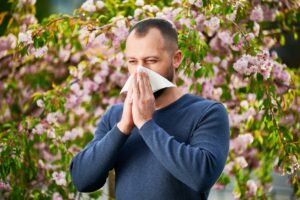
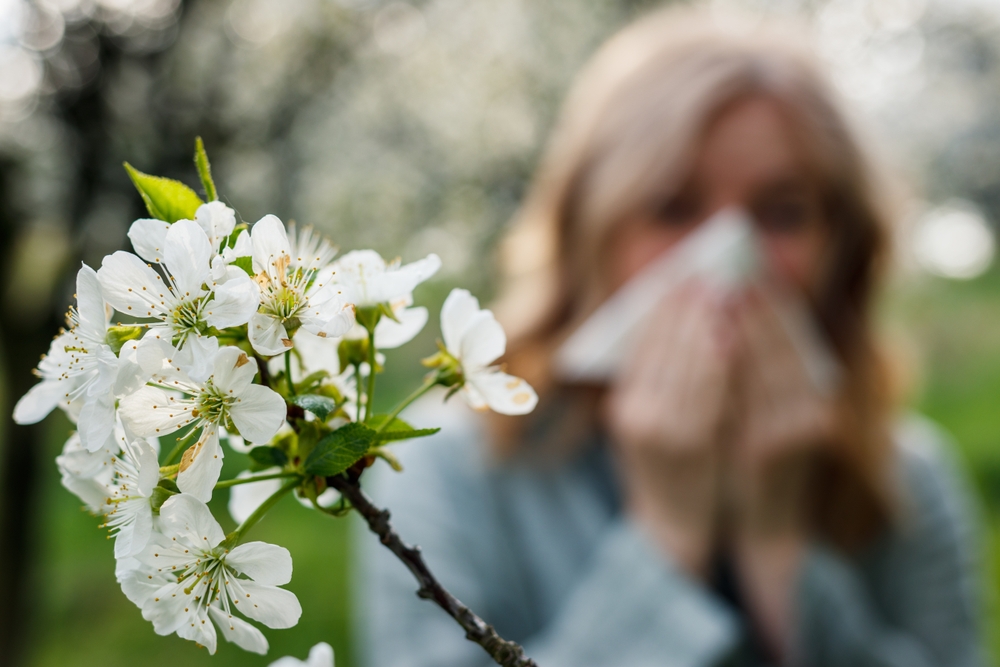
For many people, the arrival of spring or the bloom of summer brings with it an unwelcome guest: allergies. The sneezing, itchy eyes, and runny nose can turn beautiful days into a miserable experience. But what is behind this seasonal suffering? The answer often lies in tiny grains called pollen. Understanding how pollen causes allergic reactions is the first step toward managing your symptoms and finding relief. This guide will explore the primary pollen allergy causes, common pollen allergy symptoms, and how you can fight back. At Doral Health & Wellness, we have all the answers you need.
What is Pollen and Why Does it Cause Problems?
Pollen consists of microscopic grains released by trees, grasses, and weeds for fertilization. While these particles are harmless to most people, for millions, they trigger an aggressive immune system response. This happens when the body mistakenly identifies pollen as a dangerous invader, like a virus or bacteria.
This case of mistaken identity is the root cause of pollen allergy. Your immune system, designed to protect you, goes into overdrive. It produces antibodies called Immunoglobulin E (IgE) that attach to specific cells in your body known as mast cells. These cells are found in your nose, eyes, lungs, and digestive tract. When you inhale pollen, the IgE antibodies recognize it and signal the mast cells to release chemicals, most notably histamine, to attack the perceived threat. It is this chemical flood that leads to the familiar discomfort of an allergic reaction.
How Pollen Causes Allergic Reactions and the Symptoms to Watch For
The release of histamine and other chemicals is your body’s attempt to expel the allergen. This defensive process is what causes the wide range of pollen allergy symptoms that can disrupt your daily life. Recognizing these signs is key to getting the right diagnosis and treatment.
Common Pollen Allergy Symptoms
While symptoms can vary from person to person, some of the most common signs of a pollen allergy include:
- Nasal Congestion: Histamine causes the lining of your nasal passages to swell, leading to a stuffy or blocked nose.
- Runny Nose: Your body produces excess mucus to try and flush out the pollen grains.
- Sneezing: This is a reflex designed to forcibly remove irritants from your nose.
- Itchy, Watery Eyes: Histamine can cause inflammation in the conjunctiva, the thin membrane lining your eyelids and eyeballs, leading to itching, redness, and tearing.
- Itchy Throat and Ears: The allergic response can cause itching in the throat, roof of the mouth, and even inside the ears.
- Coughing and Wheezing: Pollen can irritate the airways, leading to a dry cough. In individuals with allergic asthma, it can trigger more severe symptoms like wheezing and shortness of breath.
- Fatigue: Your body uses a significant amount of energy to fight off what it perceives as an invader, which can leave you feeling tired and run down.
If these symptoms persistently interfere with your quality of life, it may be time to consult a specialist. An experienced allergist can perform tests to confirm your triggers and develop a personalized treatment plan.
Identifying Your Triggers and Managing Exposure
Not all pollen is created equal. Different plants release pollen at different times of the year, which is why your symptoms might peak in the spring, summer, or fall.
- Trees: Tree pollen is most common in the spring. Oak, birch, cedar, and maple are major culprits.
- Grasses: Grass pollen, such as from Timothy, Bermuda, and Johnson grass, typically peaks during the late spring and summer.
- Weeds: Weed pollen, especially from ragweed, is the primary trigger for fall allergies.
Knowing your specific triggers can help you manage your exposure. You can check daily pollen counts online or through weather apps. On high-pollen days, it’s wise to:
- Stay indoors as much as possible, especially during peak morning hours.
- Keep windows and doors closed in your home and car.
- Use an air purifier with a HEPA filter.
- Shower and change your clothes after spending time outside to remove pollen.
Finding Lasting Relief: Diagnosis and Treatment Options
While avoiding pollen can help, it’s often not enough to eliminate symptoms. For long-term relief, a proper diagnosis from a qualified medical professional is essential. An allergist can use skin prick tests or blood tests to precisely identify which types of pollen you are allergic to.
Once your triggers are confirmed, your doctor can recommend a course of action. This may include:
- Over-the-Counter Medications: Antihistamines, decongestants, and nasal corticosteroid sprays can provide effective relief for mild to moderate symptoms.
- Prescription Medications: For more severe allergies, your doctor might prescribe stronger medications.
- Allergy Shots (Immunotherapy): This is a long-term treatment that involves exposing your body to gradually increasing doses of the allergen. Over time, this helps your immune system become desensitized to the pollen, reducing or even eliminating your allergic reactions. For those seeking comprehensive care, a specialized immunology clinic in Brooklyn can offer advanced treatments like immunotherapy.
Pollen allergies are more than just a seasonal annoyance; they can significantly impact your well-being. By understanding how pollen causes allergic reactions and recognizing your symptoms, you can take control. Don’t let allergies dictate how you live your life. If you are struggling to manage your symptoms, seeking professional medical advice can provide you with the tools and treatments needed to breathe easier and enjoy every season. Call us on + 1-718-367-2555 to book your appointment now to receive best-in-class treatment that helps prevent or manage your allergies for a better life. Take action now, before it’s too late! If you need help, register your information at https://yuz88hfiyh7.typeform.com/Doralintake. Or visit us at 1797 Pitkin Avenue, Brooklyn, NY 11212.