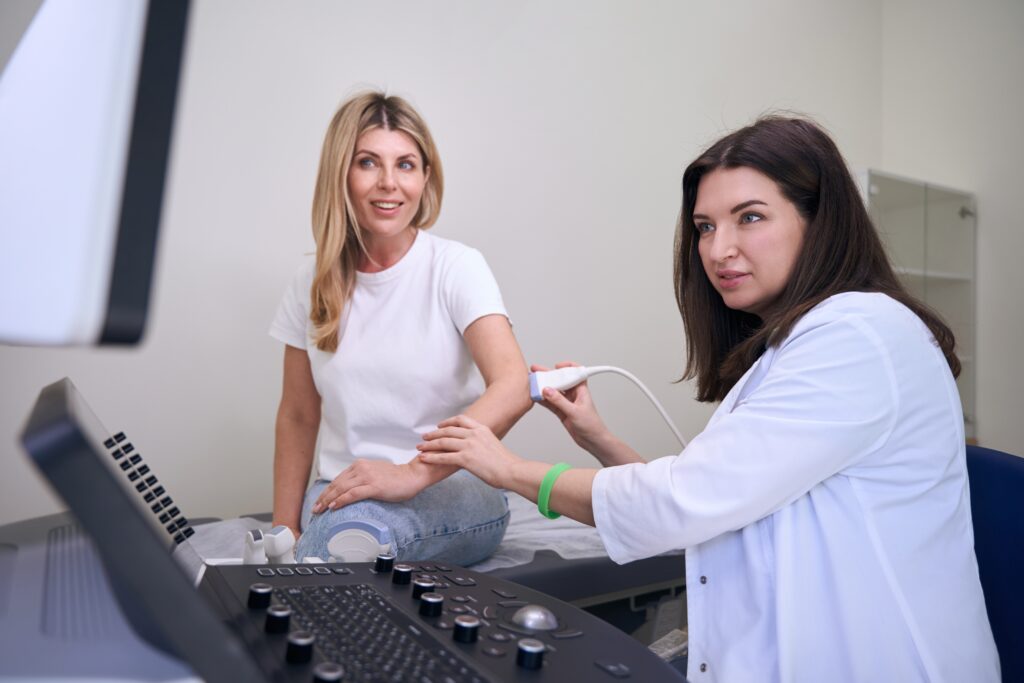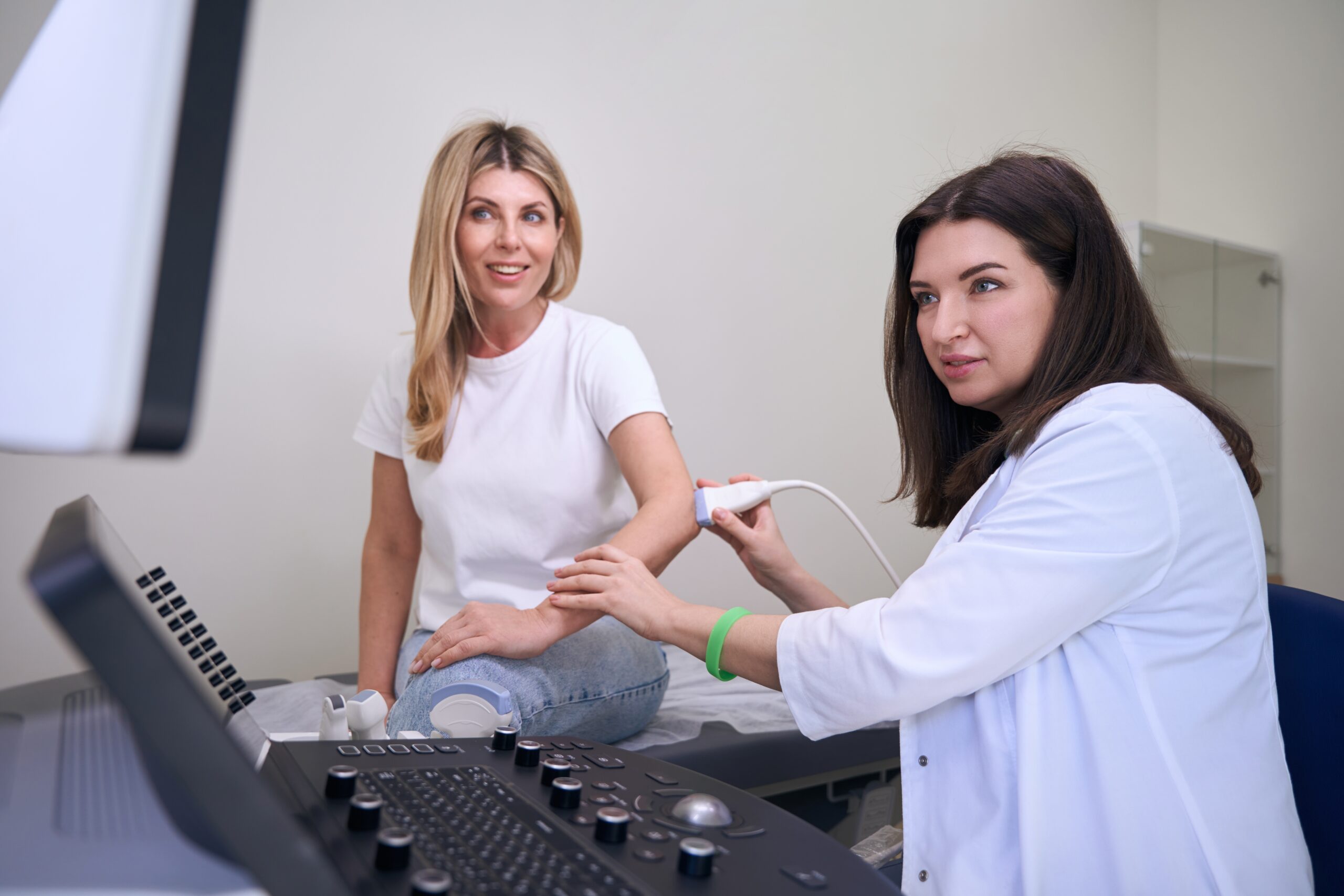
If your doctor has suggested a carotid ultrasound procedure, then chances are they may suspect carotid artery disease. It is a condition that occurs when plaque builds up in the carotid arteries of the heart. This test uses a combination of two types of ultrasounds to check the blockages in your carotid arteries. These arteries are located on both sides of your neck to carry blood from the heart to the brain.
The two types of ultrasounds used in carotid ultrasound are conventional (which uses sound waves that bounce off the blood vessels to create images of the structure of the blood vessels) and Doppler (in which sound waves track moving objects). This way doctors see how blood moves through your blood vessels. Learn how carotid ultrasound supports your heart health in this article. Get a consultation with the best cardiologists in Brooklyn.
Understanding Carotid Artery Disease
Carotid artery disease is a serious condition that tends to develop as we age. It occurs when plaque — a sticky combination of cholesterol, fatty compounds, calcium, fibrin, and cellular waste — builds up inside the carotid arteries, the major blood vessels in the neck that supply blood to the brain. This accumulation of plaque leads to narrowing or blockage of the arteries, increasing the risk of stroke and other cardiovascular complications.
Several factors contribute to the development of carotid artery disease, including:
- Smoking or long-term exposure to tobacco
- Lack of regular physical activity
- High levels of cholesterol or triglycerides
- Obesity or being overweight
- Diabetes or insulin resistance
- A family history of arterial or cardiovascular disease (genetic predisposition)
- Chronic hypertension or poorly managed high blood pressure
As the disease progresses, the arteries become less flexible and more constricted, which reduces blood flow to the brain and may lead to symptoms such as dizziness, transient vision loss, or even stroke.
Recent studies have helped illustrate the prevalence of carotid artery disease around the world. According to the Society of Cardiovascular Angiography and Interventions, around 1% of people aged 50–59 and 10% of those aged 80–89 experience significant narrowing in their carotid arteries. A 2018 cross-cultural study comparing healthy men aged 40–49 found that:
- 22.8% of white men in Pittsburgh, Pennsylvania (USA) had carotid artery plaque
- 10.6% of Korean men in Ansan, South Korea, showed signs of plaque buildup
- 4.8% of Japanese men in Otsu, Japan had narrowed carotid arteries
Additionally, a 2012 study in Brazil involving people aged 60 and older with comorbidities such as diabetes or coronary artery disease revealed that 7.4% had carotid artery disease.
To detect these early changes in the arteries, medical professionals often rely on carotid ultrasound. This noninvasive and painless imaging test uses sound waves to create real-time images of the carotid arteries, helping doctors spot narrowing or blockages before symptoms even appear. Regular carotid ultrasound screenings are especially important for people at high risk, as they allow for early intervention, lifestyle changes, and treatment strategies that can prevent serious cardiovascular events.
When is carotid ultrasound used?
Carotid ultrasound is used when your doctor thinks you may have carotid artery disease. This condition is a major risk factor for stroke. When cholesterol buildup happens in the carotid arteries, it can cause blood clots. If any of these blood clots break off, they can travel to your brain and cause a stroke. The first symptom of this disease is often a stroke or ministroke. If a significant narrowing is detected, your doctor initiates a comprehensive treatment plan. Early warning signs of a stroke include:
- Weakness, numbness, or tingling on one side of your body or in your arm or leg.
- Not being able to move your arm or leg.
- Unable to speak properly or having unclear speech.
- Not being able to see clearly with one eye, or peripheral vision loss.
You need to seek immediate medical help if you notice any of these warning signs, even if they go away. This can indicate you had a stroke or you’re about to have one. This test may also be performed if a patient has hypertension or a carotid bruit (an abnormal sound in the neck that is heard with a stethoscope). In some cases, it is performed in preparation for coronary artery bypass surgery. Other indications for a carotid ultrasound are:
- Diabetes.
- High blood cholesterol levels.
- Family history of stroke or heart disease.
It may also be performed to:
- Locate a hematoma, which is a collection of clotted blood that may slow or eventually stop blood flow.
- Check the state of the carotid artery after surgery to restore blood flow.
- Identify the position of the metal stent placed to maintain carotid blood flow.
- Find blocked blood flow.
- Find narrow blood vessels.
- Detect tumors and congenital vascular malformations.
- Identify lower or absent blood flow to various organs like the testes or the ovaries.
- Find increased blood flow, which can be a sign of infection.
Benefits of carotid ultrasound
Besides the common benefits of ultrasound; being noninvasive, not painful, safe, and widely used, carotid ultrasound offers some more benefits, including:
- Risk stratification for stroke and heart attack: It can detect and measure atherosclerosis (a condition that causes plaque buildup in the arteries) in asymptomatic people which can be helpful to manage the risk of future cardiovascular events and guide preventive measures. It is a common condition; this test can be useful to carotid arteries to mark for atherosclerotic burden in the other arteries.
- Guide treatment of hyperlipidemia (high cholesterol): Many patients generally struggle to decide whether they need cholesterol-lowering drugs when they have hyperlipidemia or not. The presence of atherosclerotic plaques in the carotid arteries can increase the risk of complications such as a heart attack or stroke. Lipid-lowering drugs like statins can significantly lower the progression of atherosclerosis and should be taken in the absence of any clinical contraindications.
Carotid ultrasound is recommended when a doctor suspects that you have carotid artery disease or a risk of developing stroke, or certain risk factors like diabetes, high blood cholesterol levels, or a family history of heart disease or stroke. This test is painless, noninvasive, and widely available, making it easier to perform and commonly recommended. It is also used to manage the risk of stroke and heart attack with preventive measures and as a guide for treating hyperlipidemia. If any abnormality is detected, the doctor creates a comprehensive treatment plan to manage the condition and prevent its complications.
Need help with heart problems? Visit our cardiology clinic in Brooklyn to get professional medical help. Call us to book your appointment now!!!
For any cardiovascular problems, call us on +1-718-367-2555. The Cardiologists at Doral Health & Wellness consistently have outstanding patient satisfaction ratings. The professionals at Doral Health & Wellness Cardiology Brooklyn can improve your health and quality of life because of their vast training and experience. New Yorkers can get the greatest medical, surgical, and cardiovascular care at Doral Health & Wellness Brooklyn. Visit us at 1797 Pitkin Avenue, Brooklyn, NY 11212.