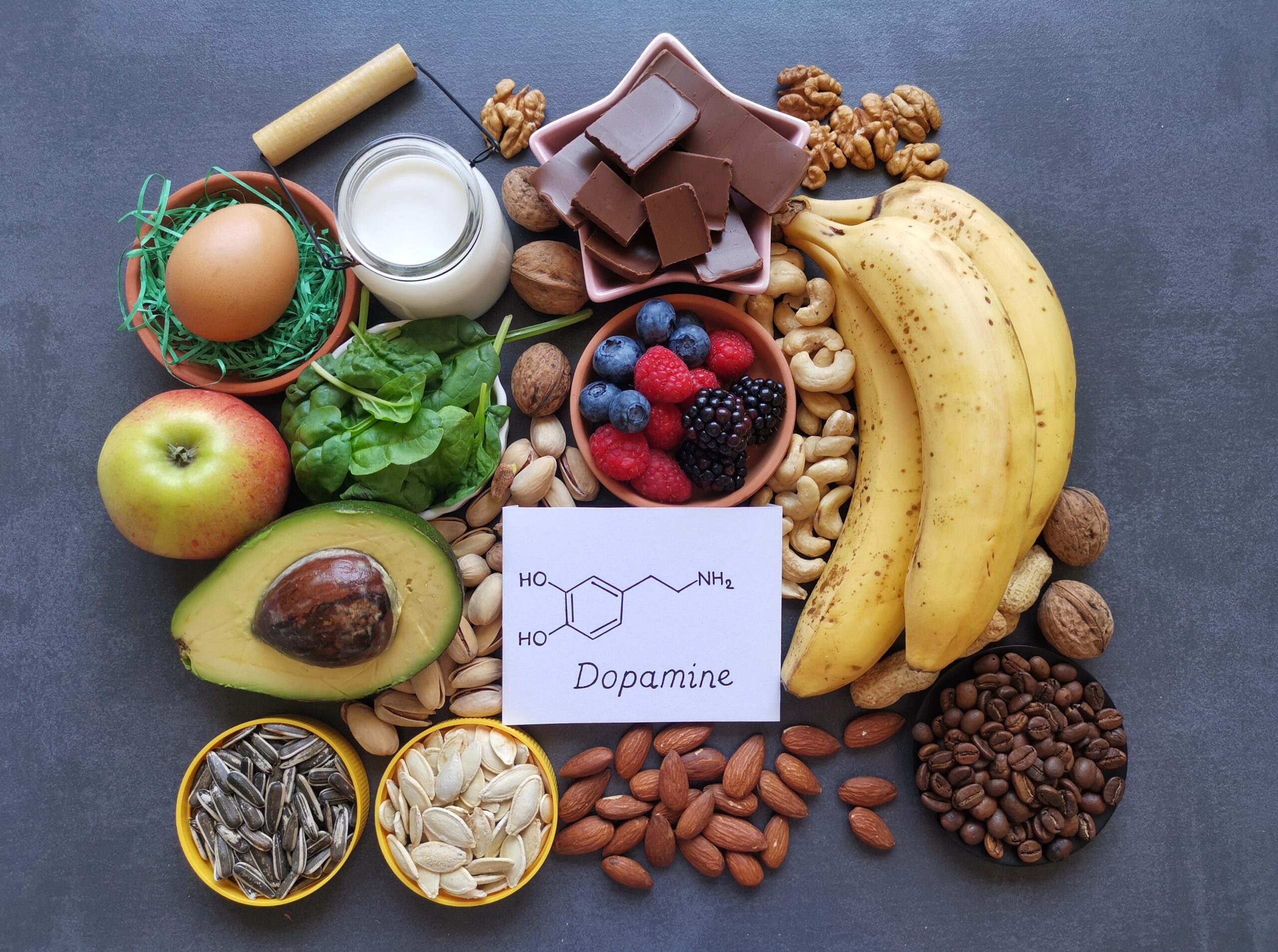
When it comes to keeping your heart healthy, diet plays an essential role. Your diet can ensure that your body gets all the necessary nutrients and minerals that are essential to keep your heart healthy while lowering the risk factors that lead to heart disease. Learn 7 heart-healthy superfoods you should include in your diet in this article. Get a consultation with the best cardiologists in Brooklyn.
7 Heart-healthy superfoods you should include in your diet
These heart-healthy superfoods ensure that your heart and blood vessels stay healthy by lowering the risk of heart problems:
- Oats and oatmeal:
Oats offer soluble fiber that prevents the body from absorbing cholesterol. Studies also found oats are effective at lowering both total and LDL cholesterol levels because they have beta-glucan fiber that increases the excretion of cholesterol-rich bile, lowering cholesterol circulation in the blood.
Rolled oats are a good option, but steel-cut oats are even better. These oats take longer to digest, which means they have a low glycemic index. Low-glycemic foods don’t spike your blood sugar, which is linked to health conditions that raise the risk of heart disease, like obesity and diabetes. Oats also have antioxidants that have anti-inflammatory properties which help to prevent inflammation of the arteries and tissue damage.
- Salmon:
When it comes to heart health, fatty fish like salmon, mackerel, sardines, and tuna are loaded with omega-3 fatty acids. They are healthy fats that lower the risk of heart rhythm disorders and lower blood pressure. It also helps to decrease triglycerides (bad cholesterol) and curb inflammation.
According to the American Heart Association, you should consume 2 servings of salmon or other oily fish in a week. You can cook salmon by baking, grilling, smoking, poaching, or even having it raw in sushi or veggies. If you don’t eat seafood, you can consider fish oil supplements or other options like nuts to get a daily dose of omega-3 fatty acids.
- Berries:
When it comes to berries, strawberries, blueberries, blackberries, and raspberries all come with heart-healthy phytonutrients and soluble fiber. They offer antioxidants like anthocyanins, which provide protection against oxidative stress and inflammation that can contribute to heart disease development. Higher anthocyanin intake may lower the risk of coronary artery disease, which causes heart attack and hypertension. Eating blueberries daily may improve cell functionality along with benefits to blood vessels, which manage blood pressure and blood clotting.
According to research, berry consumption may work effectively to manage metabolic syndrome by lowering oxidative stress and inflammation while improving vascular function. You can consume berries as a satisfying snack or add them to a delicious dessert. You can try adding them to your yogurt, fruit salad, or oats, blend them in your smoothie, make them into a jam, etc., many options are available.
- Avocados:
Avocados are an amazing choice for heart-healthy foods because they have monounsaturated fats that lower cholesterol levels and reduce the risk of heart disease. It is found that eating at least 2 servings of avocado each week can lower the risk of cardiovascular disease by 16% and the risk of coronary heart disease by 21%. A comprehensive review of studies found that avocado may help with:
- Lowering LDL (bad) cholesterol levels, including small, dense LDL cholesterol.
- Regulating Triglyceride levels
- Improving Vascular function
Additionally, it is also rich in potassium, an important nutrient for heart health to lower blood pressure. One serving of avocado (150 grams) offers 725 milligrams of potassium or about 21% of the amount of recommended daily need. You can consume avocado on its own, or you can add it to your salad, spread, or a smoothie along with fruits like bananas or berries to get other fruit benefits.
- Green tea:
Green tea offers several health benefits, from increased fat burning to improved insulin sensitivity, to preventing cancer. It has polyphenols and catechins, which work as antioxidants to prevent cell damage, lower inflammation, improve blood vessel functionality, and increase good cholesterol. Many studies have found that green tea increases leptin, a hormone that manages our appetite, and lowers LDL cholesterol.
Its extract may improve blood pressure and glycemic control. Studies reveal that consuming green tea extract for 3 months can lower blood pressure, triglycerides, and total cholesterol. You can add green tea to your diet, use it as a supplement, or drink matcha made from powdered whole green tea leaves that may offer benefits for heart health.
- Almonds:
Almonds are packed with many vitamins and minerals that are crucial for heart health. It is a good source of heart-healthy monounsaturated fats and fiber, the two most important nutrients that protect the heart against heart disease.
Research also found that eating almonds can significantly affect your cholesterol levels. One study on 48 people with high cholesterol consuming 1.5 ounces (43 grams) of almonds daily for 6 weeks (about 1 and a half months) noted lower belly fat and LDL cholesterol levels, common risk factors of heart disease.
The research also found that eating almonds is linked with higher levels of HDL (good) cholesterol, which decreases plaque buildup and keeps arteries clear. Remember that while almonds offer many nutrients, they’re also high in calories. So, measure your portions and moderate your intake if you’re trying to lose weight. You can add almonds to your milk or eat them raw.
- Edamame:
This is commonly found in Asian cuisine. It is the Japanese word for soybeans. Like other soy products, it offers soy isoflavones, a type of flavonoid that helps to lower cholesterol levels and improve heart health. A cup of edamame contains 8 grams of both soluble and insoluble fiber. You also include soy protein in your diet to lower the risk of cardiovascular disease. If combined with other changes to your diet and lifestyle, lowering cholesterol levels can greatly impact heart disease risk.
One study reveals that 30 grams of soy protein daily in a lipid-lowering diet can improve participants’ blood lipids, lowering the risk of cardiovascular disease. So, add edamame and other soy products to your diet to get heart-healthy nutrients. To eat them, just boil the frozen edamame and serve warm in the pod or pop them out of the pod to make a satisfying snack.
These heart-healthy superfoods in your diet provide all the necessary nutrients and minerals that help you to keep your heart healthy while lowering the risk of heart disease. Along with these foods, staying physically active and sleeping on time is also helpful to keep your heart healthy in the long run.
Need help to keep your heart healthy? Visit or call our cardiology specialist to get a free consultation. For heart problems, visit our clinic in Brooklyn to get a professional cardiologist to examine and treat your heart problems. Call us now!!!! For any cardiovascular problems, call us on +1-718-367-2555. The Cardiologists at Doral Health & Wellness consistently have outstanding patient satisfaction ratings. The professionals at Doral Health & Wellness Cardiology Brooklyn can improve your health and quality of life because of their vast training and experience. New Yorkers can get the greatest medical, surgical, and cardiovascular care at Doral Health & Wellness Brooklyn. Visit us at 1797 Pitkin Avenue, Brooklyn, NY 11212.