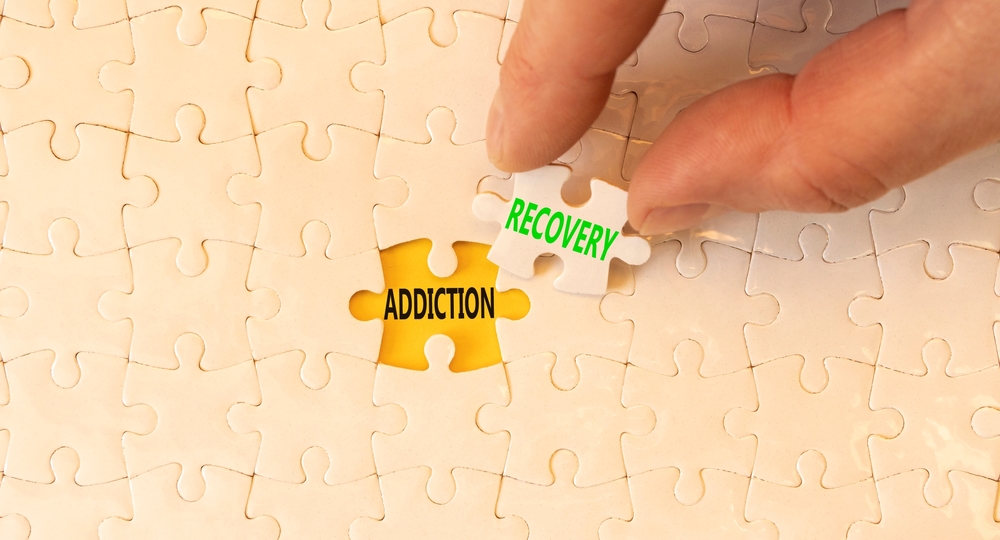
Overcoming addiction is rarely just about willpower; it requires reshaping how the brain processes thoughts and triggers. This is where cognitive behavioral therapy (CBT) for addiction becomes a game-changer. CBT is a structured, evidence-based form of psychotherapy that focuses on the connection between thoughts, feelings, and behaviors. Unlike some therapies that dig deep into past childhood trauma, CBT is action-oriented and focuses on present-day challenges.
By learning specific cognitive behavioral therapy techniques, individuals can identify the negative thought patterns that lead to substance use and replace them with healthier coping mechanisms. This proactive approach empowers people to take control of their recovery, offering a practical roadmap out of dependency. Visit the best Behavioral Health Clinic in Brooklyn at Doral Health & Wellness, or log on to www.doralhw.org.
How CBT Works
CBT is based on the idea that our thoughts influence our behavior. If a person believes they cannot handle stress without alcohol or drugs, they will turn to those substances whenever pressure mounts. CBT challenges these beliefs.
Promoting health awareness on substance use disorder involves understanding that addiction is often a maladaptive way of coping with difficult emotions. A therapist works with the individual to uncover the “why” behind the substance use. Once the triggers are identified—whether it is social anxiety, boredom, or sadness—the patient learns new skills to navigate these situations without relapsing.
Key Cognitive Behavioral Therapy Techniques
The strength of CBT lies in its toolkit. These strategies are not just for the therapist’s office; they are practical skills that patients can apply in their daily lives.
- Functional Analysis
This technique involves analyzing the causes and consequences of behavior. The therapist helps the individual identify the feelings and situations that lead to cravings. For example, if a patient realizes they drink every time they feel lonely, they can develop a plan to call a friend or engage in a hobby instead. This level of self-awareness is crucial for preventing relapse.
- IdentifyingNegative Thoughts (Cognitive Restructuring)
Automatic negative thoughts are a major driver of addiction. A person might think, “I’ve already messed up, so I might as well keep using.” Cognitive behavioral therapy techniques teach patients to catch these thoughts, challenge their validity, and reframe them into something more constructive, like “I made a mistake, but I can get back on track right now.”
- Skills Training
Many people with substance use disorders have never learned about healthy coping mechanisms. CBT focuses on building these essential life skills, including:
- Refusal Skills: Role-playing how to say “no” when offered drugs or alcohol.
- Stress Management: Learning deep breathing, meditation, or problem-solving strategies to handle high-pressure situations.
- Communication: Improving how to express needs and boundaries effectively.
The Benefits of CBT for Recovery
Why is cognitive behavioral therapy (CBT) so widely used for addiction? The answer lies in its effectiveness and versatility.
- Short-Term and Focused: CBT is typically a short-term treatment (often 12–16 sessions), making it accessible for many people.
- Prevents Relapse: By teaching practical skills, CBT equips individuals to handle future challenges long after therapy ends.
- Treats Co-Occurring Disorders: Many people with addiction also struggle with anxiety or depression. CBT effectively treats both simultaneously, addressing the root causes of the behavior.
Raising health awareness on substance use disorder means advocating for treatments that address the whole person, not just the physical addiction. CBT does exactly that by healing the mind’s patterns.
Recovery is more than just stopping substance use; it is about building a life where you no longer feel the need to escape. Cognitive behavioral therapy (CBT) for addiction provides the tools to build that life. By mastering cognitive behavioral therapy techniques, you can dismantle the mental traps of addiction and build resilience against relapse.
If you are ready to explore how therapy can transform your recovery journey, do not wait. Improving your health awareness of substance use disorders is the first step toward freedom. Contact our experts today to connect with a specialist who can guide you through this powerful process. For further inquiries, call us on +1-718-367-2555 to get a consultation. We have some of the finest doctors psychiatrist who listen to your concerns, examine your symptoms, and create a treatment plan to improve your condition as soon as possible. If you need help learning coping methods, register your information and make direct contact with us at https://yuz88hfiyh7.typeform.com/Doralintake or send an email to info@doralhw.org. You can also visit us at 1797 Pitkin Avenue, Brooklyn, NY 11212.