
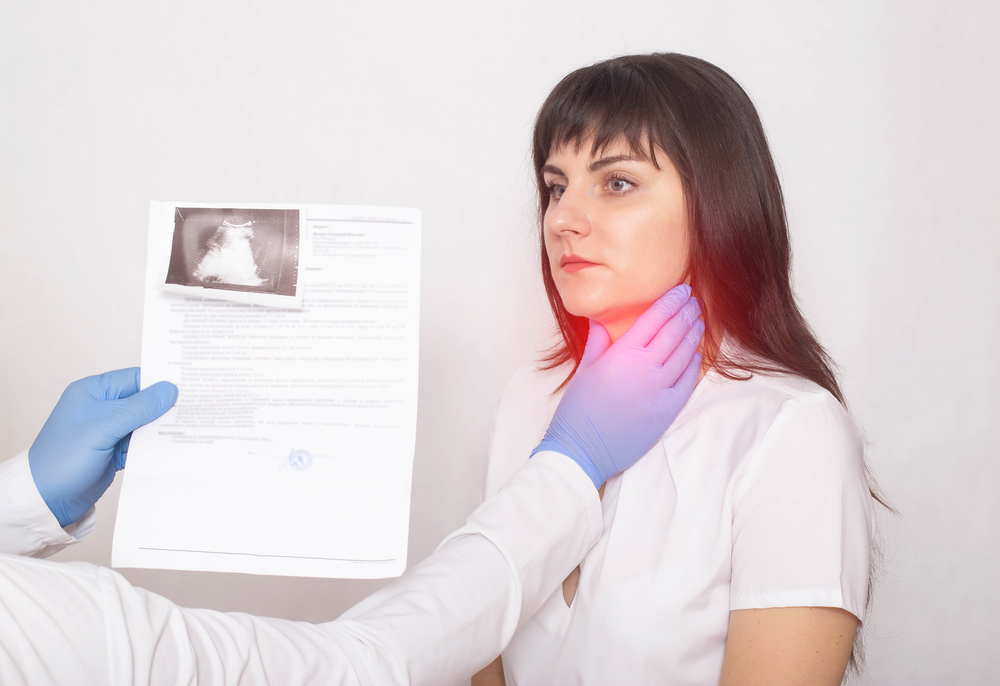
The thyroid is a small, butterfly-shaped organ located at the base of your neck, yet it holds immense power over your overall well-being. Despite its size, the thyroid gland and its diseases can dramatically alter your quality of life, affecting everything from your energy levels to your metabolism. Understanding the critical thyroid gland function is the first step toward recognizing when something is wrong.
Many people attribute fatigue or weight changes to stress or aging, unaware that their thyroid might be the culprit. By raising health awareness on thyroid gland disorders, we can help individuals identify symptoms early and seek appropriate treatment. This guide breaks down how this vital gland works and the common conditions that disrupt it. At Doral Health & Wellness, we have all the answers you need.
The Vital Role of Thyroid Gland Function
To understand the diseases, we must first appreciate what the thyroid does. The primary thyroid gland function is to produce hormones—specifically triiodothyronine (T3) and thyroxine (T4). These hormones travel through your bloodstream to every cell in your body.
They act as the body’s internal thermostat and engine, regulating:
- Metabolism: How fast your body burns calories for energy.
- Heart Rate: Ensuring your heart pumps blood efficiently.
- Body Temperature: Keeping you warm or cool.
- Growth and Development: Especially critical in children and during pregnancy.
When the thyroid is functioning correctly, you likely won’t even notice it. But when hormone production becomes unbalanced, the effects are widespread.
Common Thyroid Diseases and Symptoms
Disorders of the thyroid typically fall into two categories: producing too much hormone (hyperthyroidism) or too little (hypothyroidism). Recognizing the difference is key to promoting health awareness of thyroid gland disorders.
Hypothyroidism (Underactive Thyroid)
This is the most common condition, where the gland does not produce enough hormones. The body’s processes slow down, leading to symptoms that can be easily dismissed.
- Symptoms: Extreme fatigue, unexplained weight gain, sensitivity to cold, dry skin, and depression.
- Common Causes: Hashimoto’s thyroiditis, an autoimmune disorder where the immune system attacks the thyroid.
Hyperthyroidism (Overactive Thyroid)
Conversely, hyperthyroidism occurs when the gland produces an excess of hormones, causing the body’s functions to speed up dangerously.
- Symptoms: Rapid weight loss, anxiety, tremors, rapid heartbeat, and sensitivity to heat.
- Common Causes: Graves’ disease, another autoimmune condition that overstimulates the thyroid.
Sometimes, lumps called nodules form on the gland. While most are benign (non-cancerous) and do not affect thyroid gland function, some can be cancerous or grow large enough to cause difficulty swallowing. Regular neck checks by a doctor are essential for early detection.
Diagnosing and Managing Thyroid Disorders
If you suspect an issue with your thyroid glands, medical intervention is necessary. Diagnosis is typically straightforward and involves:
- Physical Exam: Checking the neck for swelling or nodules.
- Blood Tests: Measuring levels of TSH (Thyroid Stimulating Hormone), T3, and T4.
- Imaging: Ultrasound scans to visualize the gland’s structure.
Treatment varies based on the diagnosis. Hypothyroidism is often managed with daily synthetic hormone replacement pills. Hyperthyroidism may require medication to block hormone production, radioactive iodine therapy, or surgery. Increasing health awareness of thyroid gland disorders ensures that patients understand these treatments are effective and manageable.
The thyroid gland and its diseases are complex, but they do not have to control your life. By understanding the basics of thyroid gland function, you can stay vigilant against the subtle signs of imbalance. Whether you are dealing with a sluggish metabolism or unexpected anxiety, your thyroid health is worth investigating.
Don’t ignore persistent changes in your body. If you are experiencing symptoms, contact our endocrinologists today to schedule a comprehensive evaluation. Early diagnosis leads to better outcomes and a healthier, more vibrant life. To book your appointment now, call us on + 1-718-367-2555 to get your condition treated! Learn more about Hormonal disorders at www.doralhw.org. and stay up to date on current health topics and new research. If you need help, register your information and make direct contact with us at https://yuz88hfiyh7.typeform.com/Doralintake. Or visit us at 1797 Pitkin Avenue, Brooklyn, NY 11212.



