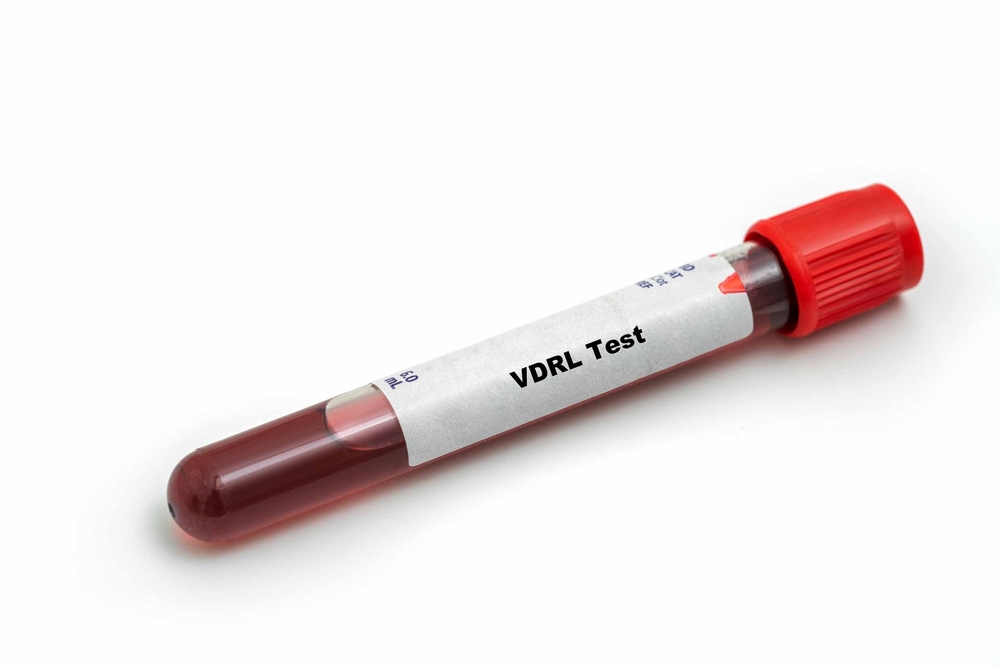
When it comes to sexual health, knowledge is your best defense. Regular screening is a vital part of maintaining your well-being, but the variety of tests available can sometimes be confusing. One of the most common screenings you might encounter is the Venereal Disease Research Laboratory (VDRL) test. While the name sounds technical, it is a standard tool used to screen for syphilis, a sexually transmitted infection (STI) caused by the bacterium Treponema pallidum. If your doctor has recommended this screening, there are several important things you should know about VDRL test results, accuracy, and the process itself to help you feel prepared and informed. Reach out to us on https://doralhw.org/contact-us/ for a consultation with the best infectious disease doctors in Brooklyn, New York.
Understanding the VDRL Test
The VDRL test is non-treponemal. This means it doesn’t look for the bacteria that cause syphilis directly. Instead, it checks for antibodies—specifically, proteins your body creates to fight off antigens produced by cells damaged by the bacteria.
It is primarily used as a screening tool because it is simple, quick, and inexpensive. However, because it looks for indirect markers of infection, it is usually just the first step in the diagnostic process.
Why is it performed?
Your doctor may order this test if:
- You are exhibiting symptoms of syphilis, such as a chancre (sore) or a skin rash.
- You are being screened for STIs as part of a routine check-up.
- You are pregnant (syphilis can be dangerous for unborn babies).
- You have another STI, such as HIV or gonorrhea.
If you are unsure about your risk factors, consulting an infectious disease specialist can provide clarity on whether this test is right for you.
The VDRL Procedure: What to Expect
Many patients feel anxious about medical tests, but the VDRL procedure is straightforward and quick. It typically requires no special preparation, such as fasting.
Here is a step-by-step breakdown of what happens:
- Preparation: A healthcare professional will ask you to sit comfortably and may tie an elastic band around your upper arm to make the veins swell with blood.
- Cleaning: The site of the injection (usually the inside of the elbow) is cleaned with an antiseptic wipe to prevent infection.
- Blood Draw: A small needle is inserted into the vein. You may feel a slight pinch or stinging sensation. The blood flows into a vial attached to the needle.
- Completion: Once enough blood is collected, the needle is removed, and a small bandage is applied to the site.
The entire process takes only a few minutes. If you are nervous about needles, let the staff at the infectious disease clinic in Brooklyn, NY, know beforehand so they can help make you more comfortable.
Interpreting Your Results
Understanding your results can be tricky, which is one of the key things you should know about VDRL test outcomes.
Negative (Non-Reactive) Result
A negative result usually means no syphilis antibodies were found. However, it can take time for antibodies to develop. If you were exposed recently, you might test negative even if you are infected. This is known as the “window period.”
Positive (Reactive) Result
A positive result means antibodies were found. However, this does not automatically confirm a syphilis diagnosis.
- False Positives: The VDRL test can sometimes yield a false positive. Conditions like HIV, malaria, pneumonia, lupus, and even pregnancy can trigger a positive result.
- Confirmation: Because false positives are possible, a reactive VDRL test is always followed up with a more specific treponemal test (like FTA-ABS or TP-PA) to confirm the diagnosis.
When to Seek Help
If your VDRL test comes back positive, do not panic. Syphilis is curable with antibiotics, especially when caught early. The most important step is to follow up with a professional who can interpret the results accurately and prescribe the correct course of action.
An infectious disease specialist is the most qualified professional to handle this process. They can explain the nuances of your test results, rule out false positives, and ensure you receive the appropriate treatment if necessary.
Sexual health is a lifelong commitment, and screenings like the VDRL test are essential tools in that journey. By understanding the VDRL procedure and what the results mean, you can approach testing with confidence rather than fear.
If you need testing or have received a positive result and need expert guidance, don’t wait. Contact our reputable infectious disease clinic in Brooklyn, NY, today. Getting accurate answers and professional care is the best way to protect your health and peace of mind. Book your appointment now, call us on + 1-718-367-2555 to get treated! Learn more about infectious diseases at www.doralhw.org. and stay up to date on current health topics and new research, on recent infectious diseases like COVID-19. If you need help, register your information and make direct contact with our doctors at https://yuz88hfiyh7.typeform.com/Doralintake. Or visit us at 1797 Pitkin Avenue, Brooklyn, NY 11212.