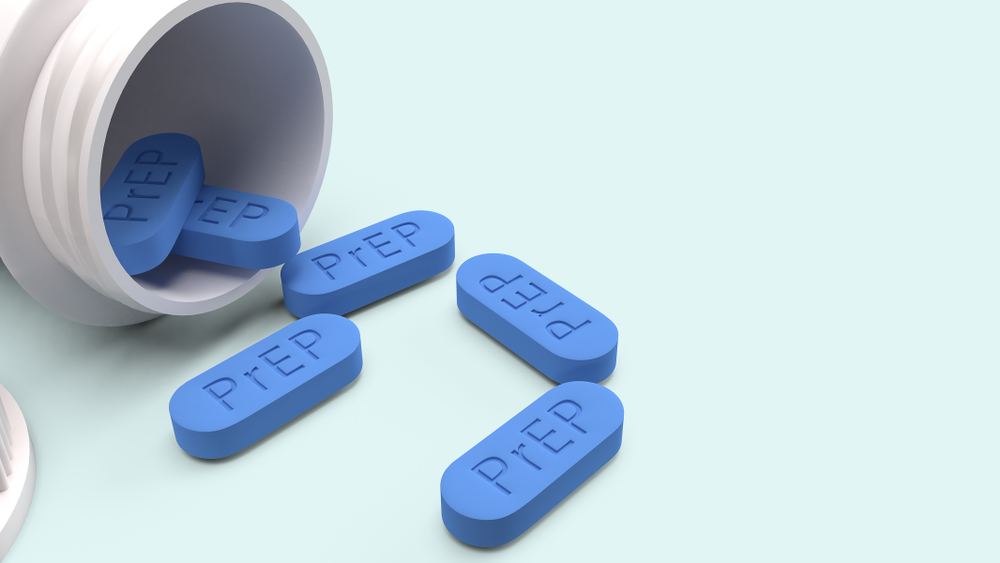
HIV/AIDS remains a significant public health issue, but modern medicine has transformed how we approach HIV prevention. One of the most effective breakthroughs is PrEP (Pre-Exposure Prophylaxis)—a preventive medication that has helped millions reduce their risk of HIV infection. As we move into 2026, PrEP has become safer, more accessible, and easier to use than ever before. This article explains what PrEP is, how it works, who should consider it, and why it plays a vital role in protecting sexual health in today’s world. Reach out to us on https://doralhw.org/contact-us/ for a consultation.
What Is PrEP and How Does It Work?
PrEP stands for Pre-Exposure Prophylaxis. It is a preventive treatment for people who are HIV-negative but at a higher risk of exposure to the virus.
How PrEP Protects Against HIV
PrEP uses antiretroviral medicines that stop HIV from establishing infection in the body. When taken correctly, the medication maintains protective drug levels in the bloodstream, preventing the virus from replicating.
Key options available in 2026 include:
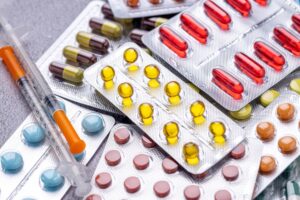
- Daily oral PrEP pills
- Long-acting injectable PrEP, taken every two months
According to the Centers for Disease Control and Prevention, PrEP reduces the risk of sexually acquired HIV by up to 99% when used as prescribed.
Who Should Consider Taking PrEP?
PrEP is recommended for individuals who may have an increased risk of HIV exposure. This includes:
- People with an HIV-positive sexual partner
- Individuals with multiple sexual partners
- Men who have sex with men (MSM)
- People who do not consistently use condoms
- Individuals who inject drugs
- Anyone seeking proactive HIV prevention
An evaluation by infectious disease specialists or a primary care provider is essential before starting PrEP.
Effectiveness, Safety, and 2026 Updates
How Effective Is PrEP in 2026?
With improved formulations and adherence support, PrEP remains one of the most effective HIV prevention tools available. Long-acting injectable PrEP has improved adherence for people who struggle with daily pills.
Is PrEP Safe for Long-Term Use?
Yes. Extensive research and real-world data show that PrEP is safe for most people. Side effects, when they occur, are usually mild and temporary, such as nausea or headaches.
Routine monitoring includes:
- Kidney function tests
- HIV testing every 2–3 months
- STI screenings to support overall sexual health
Experts from institutions like the National Institutes of Health continue to monitor long-term safety data.
Common Myths and Concerns About PrEP
Myth 1: PrEP Is Only for Certain Communities
PrEP is for anyone at risk of HIV, regardless of gender, orientation, or background.
Myth 2: PrEP Encourages Risky Behavior
Research shows PrEP users often become more engaged with healthcare, leading to better testing and prevention practices.
Myth 3: PrEP Protects Against All STIs
PrEP prevents HIV, not other sexually transmitted infections. Condoms and regular screenings remain essential.
The Role of Healthcare Professionals
PrEP works best when guided by experienced healthcare providers. Infectious disease specialists and primary care clinicians help patients choose the right PrEP option and monitor their health. Healthcare professionals also help patients:
- Understand medication adherence
- Manage side effects
- Integrate PrEP into broader wellness strategies
Why PrEP Matters for Sexual Health in 2026
PrEP is not just about preventing HIV—it empowers people to take control of their health. By reducing fear and stigma around HIV/AIDS, PrEP supports healthier relationships, informed choices, and improved quality of life.
When combined with education, routine testing, and professional medical guidance, PrEP is a cornerstone of modern HIV prevention strategies.
In 2026, PrEP stands as one of the most powerful tools in the fight against HIV/AIDS. It is safe, effective, and widely recommended for individuals at risk. If you are concerned about HIV prevention or want to protect your sexual health, speak with a qualified healthcare provider to see if PrEP is right for you. Prevention starts with knowledge—and PrEP is knowledge put into action. Book your appointment now, call us on + 1-718-367-2555 to get treated! Learn more about infectious diseases at www.doralhw.org. and stay up to date on current health topics and new research, on recent infectious diseases like COVID-19. If you need help, register your information and make direct contact with our doctors at https://yuz88hfiyh7.typeform.com/Doralintake. Or visit us at 1797 Pitkin Avenue, Brooklyn, NY 11212.