
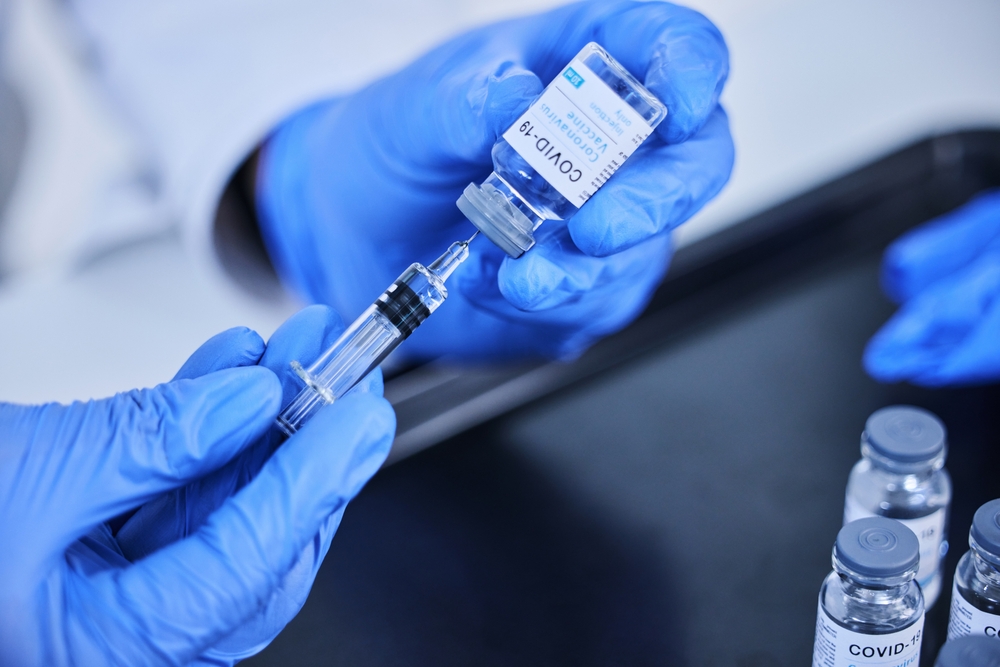
The development of COVID-19 vaccines marked a pivotal moment in the global pandemic. Yet, with so much information available, understanding the science behind them can feel overwhelming. This article provides a complete insight into the COVID-19 vaccine, explaining its importance and breaking down the science in an accessible way. We will explore how the COVID-19 vaccine works to protect you from severe illness and discuss the technology that made its rapid development possible. Having clear, accurate information is essential for making confident decisions about your health and the well-being of those around you. Log on to www.doralhw.org for a consultation.
How the COVID-19 Vaccine Works to Protect You
The primary goal of any vaccine is to teach your immune system how to recognize and fight off a specific virus or bacterium without causing the actual illness. The COVID-19 vaccines achieve this by introducing your body to a harmless piece of the SARS-CoV-2 virus—specifically, the spike protein found on its surface.
When you receive the vaccine, your immune system identifies this spike protein as foreign. This triggers an immune response, leading to the creation of antibodies and memory cells.
- Antibodies: These are proteins that can attach to the virus and neutralize it, preventing it from entering your cells and replicating.
- Memory Cells: These cells “remember” the spike protein. If you are exposed to the actual virus in the future, these memory cells quickly activate a robust immune response to fight it off before it can cause severe disease.
This process is why vaccination is a much safer way to build immunity than getting sick with COVID-19. You get the protective benefits without having to endure the risks associated with the infection itself.
The Technology Behind mRNA Vaccines
Many of the most widely used COVID-19 vaccines, such as those from Pfizer-BioNTech and Moderna, use messenger RNA (mRNA) technology. This innovative approach offers a new way to create vaccines.
Here’s a simple breakdown of how it works:
- Instruction Manual: The vaccine contains a small piece of mRNA, which is like a recipe or instruction manual. This mRNA tells your cells how to make the harmless spike protein.
- Protein Production: Once inside your body, your cells read the mRNA and temporarily produce copies of the spike protein.
- Immune Response: Your immune system recognizes these spike proteins as intruders and begins building its defenses (antibodies and memory cells).
- Disappearing Act: The mRNA from the vaccine does not enter the nucleus of your cells and does not alter your DNA. After it delivers its instructions, your body naturally breaks it down and gets rid of it within a few days.
This technology allowed scientists to develop safe and effective vaccines in record time. If you have questions about this process, an infectious disease specialist can provide further clarification.
The Benefits of Getting Vaccinated
Receiving a complete insight into the COVID-19 vaccine includes understanding its benefits. The evidence overwhelmingly shows that vaccination is the most effective tool available for preventing the worst outcomes of COVID-19.
- Prevents Severe Illness: The primary benefit is the strong protection against severe disease, hospitalization, and death. Even if a vaccinated person gets a breakthrough infection, their illness is likely to be much milder.
- Reduces the Risk of Long COVID: Studies show that vaccinated individuals are less likely to develop Long COVID—a condition where symptoms persist for weeks, months, or even longer after the initial infection.
- Protects the Community: When a high percentage of the population is vaccinated, it reduces the overall spread of the virus. This helps protect vulnerable individuals who may not be able to get vaccinated or who have weakened immune systems.
Are COVID-19 Vaccines Safe?
The safety of the COVID-19 vaccines has been rigorously monitored since their introduction. Billions of doses have been administered worldwide, making them some of the most closely studied vaccines in history.
Serious side effects are very rare. The most common side effects are mild and temporary, indicating that your immune system is building protection. These can include:
- Pain, redness, or swelling at the injection site
- Tiredness
- Headache
- Muscle pain
- Chills or fever
These symptoms typically resolve within a day or two. The risks associated with a COVID-19 infection, including severe lung damage, blood clots, and death, are far greater than the risks of vaccination. For personalized advice, consider speaking with a provider at an infectious disease clinic in Brooklyn or your local healthcare facility. An infectious disease specialist can help address any specific concerns you might have.
Understanding how the COVID-19 vaccine works empowers you to make informed health choices. These vaccines leverage innovative science to train your immune system, offering powerful protection against severe illness and helping to safeguard the wider community. While the pandemic has evolved, vaccination remains a cornerstone of public health strategy.
If you are seeking expert medical advice or wish to discuss vaccination further, connecting with a specialized health provider is a great next step. A trusted facility like an infectious disease clinic in Brooklyn can offer personalized guidance and care to help you navigate your health decisions with confidence. Book your appointment now, call us on + 1-718-367-2555 to get treated! Learn more about infectious diseases at www.doralhw.org. and stay up to date on current health topics and new research, on recent infectious diseases like COVID-19. If you need help, register your information and make direct contact with our doctors at https://yuz88hfiyh7.typeform.com/Doralintake. Or visit us at 1797 Pitkin Avenue, Brooklyn, NY 11212.