Navigating the complexities of COVID-19 requires clear and reliable information. This article serves as your complete guide on COVID-19 signs and symptoms, helping you identify the illness and understand what to do next. We will cover how to spot common and severe symptoms, offer advice on how to manage COVID-19 symptoms at home, and discuss effective strategies for the prevention of COVID-19. Knowing what to look for is the first step in protecting yourself and your community. This guide provides the essential knowledge you need to make informed health decisions. Log on to www.doralhw.org for a consultation.
Identifying Common COVID-19 Signs and Symptoms
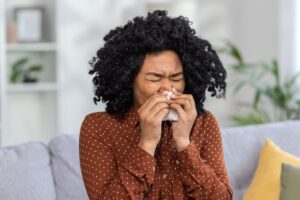
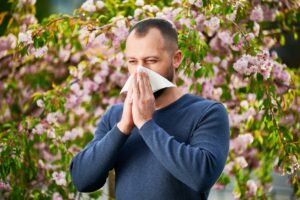
COVID-19 can present with a wide range of symptoms, from very mild to severe. The signs can also vary from person to person and may change depending on the variant of the virus circulating. Symptoms typically appear 2 to 14 days after exposure.
The most frequently reported symptoms include:
- Fever or chills: An elevated body temperature is one of the most common indicators of an infection.
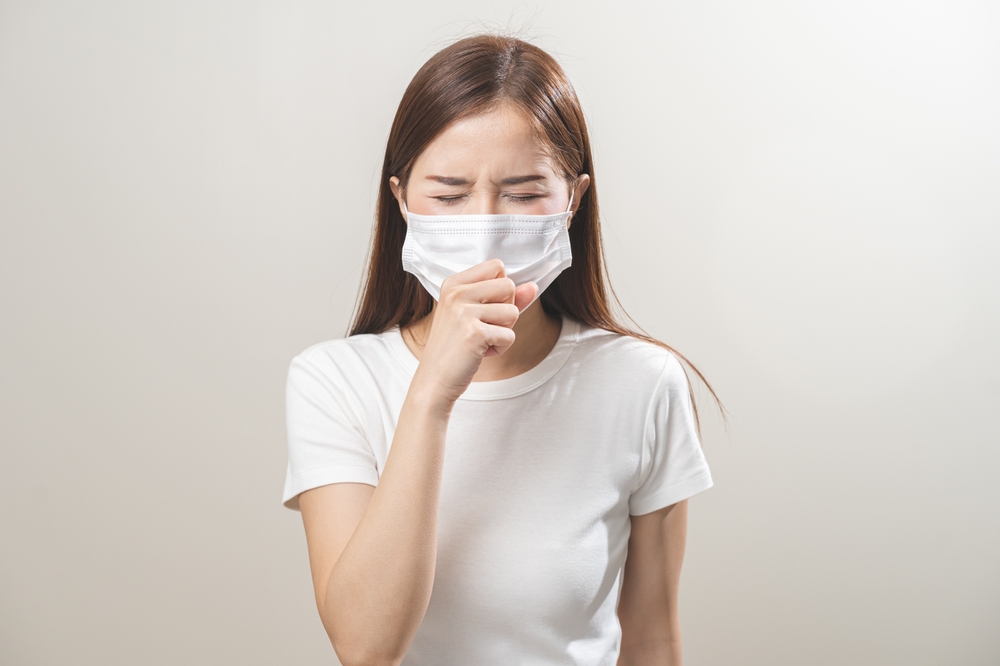
- Cough: Usually a new, continuous dry cough.
- Fatigue: A feeling of overwhelming tiredness or lack of energy.
- Muscle or body aches: Widespread aches and pains are common.
- Headache: Ranging from mild to severe.
- Sore throat: A scratchy or painful feeling in the throat.
- Congestion or runny nose: Similar to symptoms of a common cold.
- New loss of taste or smell: A distinct symptom that can occur even without other signs of congestion.
Less common symptoms may include nausea, vomiting, and diarrhea. It’s important to remember that some people who are infected may not show any symptoms at all (asymptomatic) but can still spread the virus to others.
When to Seek Emergency Medical Attention
While many cases of COVID-19 are mild, some can become severe. You should seek immediate medical care if you or someone you know experiences any of the following warning signs:
- Trouble breathing or shortness of breath
- Persistent pain or pressure in the chest
- New confusion or inability to wake or stay awake
- Pale, gray, or blue-colored skin, lips, or nail beds, depending on skin tone
If you have concerns about your symptoms, it is always best to consult a healthcare provider. An infectious disease specialist can offer expert diagnosis and treatment options.
How to Manage COVID-19 Symptoms at Home
For most people with mild to moderate illness, managing COVID-19 at home is possible. The focus should be on rest, hydration, and treating specific symptoms to stay comfortable while your body fights the infection.
Here are some key steps for at-home care:
- Isolate Yourself: Stay home and separate yourself from others in your household as much as possible to prevent spreading the virus. Use a separate bedroom and bathroom if available.
- Rest and Hydrate: Get plenty of rest and drink lots of fluids, such as water, broth, or electrolyte drinks, to stay hydrated.
- Use Over-the-Counter Medications: Use medications like acetaminophen (Tylenol) or ibuprofen (Advil, Motrin) to reduce fever, relieve headaches, and ease muscle aches. Follow the dosage instructions carefully.
- Monitor Your Symptoms: Keep track of your symptoms. A pulse oximeter can be a useful tool to monitor your blood oxygen levels, but it is important to know that it has limitations and should not be the only tool used for decision-making.
If your symptoms worsen or you are concerned about your condition, contact your doctor or a local health facility, such as an infectious disease clinic in Brooklyn, for guidance.
Effective Strategies for the Prevention of COVID-19
Preventing infection is the most effective strategy against COVID-19. By taking simple, proven precautions, you can significantly reduce your risk of getting sick and spreading the virus to others.
Key Prevention Measures
- Vaccination: Staying up-to-date with recommended COVID-19 vaccinations is the most effective tool for preventing severe illness, hospitalization, and death.
- Hand Hygiene: Wash your hands frequently with soap and water for at least 20 seconds. If soap and water are not available, use an alcohol-based hand sanitizer with at least 60% alcohol.
- Improve Ventilation: Spend time outdoors when possible. Indoors, open windows and doors or use fans and air purifiers to improve air circulation.
- Wear a Mask: In crowded indoor settings or when respiratory virus levels are high in your community, wearing a high-quality, well-fitting mask can provide an extra layer of protection.
- Practice Physical Distancing: Keep a safe distance from others, especially if you are in a poorly ventilated space or around people who may be sick.
Understanding this complete guide on COVID-19 signs and symptoms is crucial for early detection and proper care. Knowing how to manage COVID-19 symptoms at home can help you recover safely, while practicing effective prevention of COVID-19 is key to staying healthy. If you have any questions or develop severe symptoms, do not hesitate to reach out for professional medical advice. Consulting an infectious disease specialist or visiting a reputable health center like an infectious disease clinic in Brooklyn can provide you with the expert care and peace of mind you need. Book your appointment now, call us on + 1-718-367-2555 to get treated! Learn more about infectious diseases at www.doralhw.org. and stay up to date on current health topics and new research, on recent infectious diseases like COVID-19. If you need help, register your information and make direct contact with our doctors at https://yuz88hfiyh7.typeform.com/Doralintake. Or visit us at 1797 Pitkin Avenue, Brooklyn, NY 11212.