
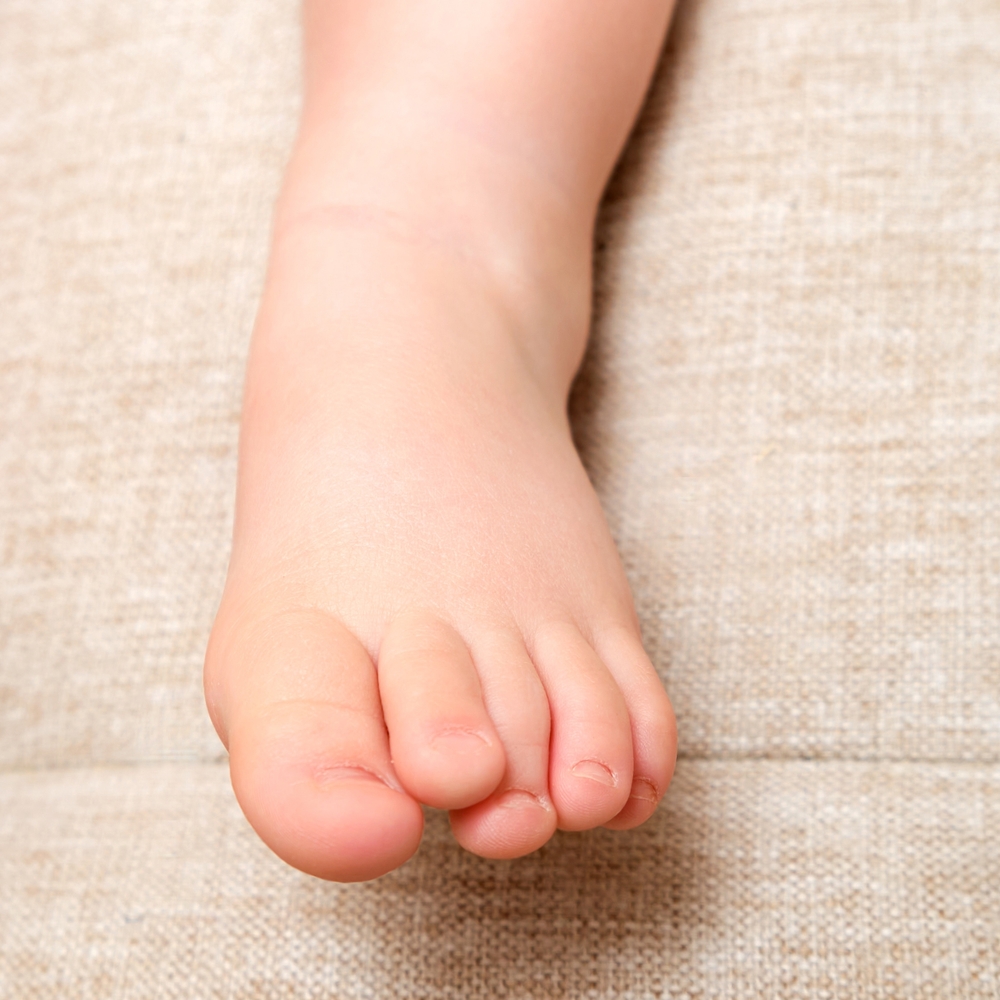
Have you noticed one of your toes, often the fourth or fifth, tucking itself underneath its neighbor? This common condition is known as an underlapping toe. While it may seem like a minor cosmetic issue at first, it can lead to discomfort, pain, and other foot problems if left unaddressed. This complete guide to understanding underlapping toes will walk you through the causes, symptoms, and various treatment options. Effective underlapping toes management is key to preventing future complications and keeping your feet healthy and comfortable. This guide provides the information you need to take the next step. Get a consultation with the best Podiatrists in Brooklyn.
What Are Underlapping Toes?
Underlapping toes, also known as congenital curly toes, is a condition where one toe lies beneath the adjacent one. It most commonly affects the third, fourth, or fifth toes. While it is often present at birth (congenital), it can also develop later in life. The toe may be flexible at first, meaning you can manually straighten it, but over time, it can become rigid and fixed in its underlapped position. This can lead to issues with shoe fit, the formation of corns and calluses, and pain during physical activity.
Common Causes of Underlapping Toes
The exact cause can vary, but it’s often linked to a combination of genetic and biomechanical factors.
Hereditary Factors
Underlapping toes frequently run in families. If your parents or grandparents had the condition, you might have a genetic predisposition to it. This is often due to an inherited imbalance in the small muscles and tendons that control the position of the toes.
Biomechanical Issues
The structure and function of your foot play a significant role.
- Tendon or Muscle Imbalance: The most common cause is when the tendons that pull the toe downward are tighter or stronger than the tendons that pull it upward. This imbalance pulls the toe down and under the neighboring toe.
- Foot Structure: Certain foot types, such as those with flat feet or high arches, can alter the distribution of pressure across the foot, contributing to toe deformities over time.
- Poorly Fitting Footwear: While not usually the primary cause, wearing shoes that are too tight or narrow can exacerbate an existing tendency for toes to underlap. Cramped toe boxes can force the toes into unnatural positions, worsening the condition.
Symptoms Associated with Underlapping Toes
In many cases, especially in young children, underlapping toes may not cause any symptoms at all. However, as the condition progresses or with increased activity, you might experience:
- Pain or Discomfort: The affected toe or the toe it sits under may become painful, especially when wearing shoes.
- Corns and Calluses: The constant rubbing and pressure between the toes or against footwear can lead to the formation of painful, hard skin or corns on the top or tip of the underlapping toe.
- Nail Problems: The abnormal pressure on the toenail can sometimes lead to ingrown nails or other nail deformities.
- Difficulty with Footwear: Finding shoes that fit comfortably without irritation can become a challenge.
A Guide to Underlapping Toes Management and Treatment
Treatment for underlapping toes ranges from simple, conservative methods to surgical correction, depending on the severity of the condition and the symptoms it causes.
Conservative (Non-Surgical) Options
For flexible deformities or mild cases, non-surgical approaches are often effective.
- Taping or Splinting: In infants and young children, taping the toe in a corrected, straight position can sometimes guide it to grow properly. This is most effective when started at a very young age.
- Proper Footwear: Choosing shoes with a wide and deep toe box is crucial. This gives the toes ample room to lie flat and reduces pressure and friction.
- Stretching and Exercises: Gently stretching the tendons of the affected toe can help improve flexibility and alignment. A podiatrist can recommend specific exercises to help balance the muscles in your foot.
- Custom Orthotics: Shoe inserts can help correct biomechanical imbalances, providing better support and pressure distribution to prevent the condition from worsening.
If conservative measures don’t provide relief, or if the toe is rigid and causing significant pain, it’s time to seek professional help. A podiatrist can accurately diagnose the issue and create a personalized treatment plan. For residents in the New York area, a visit to a podiatry clinic in Brooklyn can provide access to specialized care for this and other foot deformities.
Surgical Correction
If the toe is fixed in its position and causing persistent pain or interfering with daily activities, surgery may be recommended. The most common procedure is a flexor tenotomy.
- Flexor Tenotomy: This is a minimally invasive procedure where the surgeon makes a small incision to release the tight tendon that is pulling the toe under. This allows the toe to straighten out. The procedure is quick, can often be done in an office setting, and has a rapid recovery time.
This complete guide to understanding underlapping toes should provide clarity on this common foot condition. While often painless at first, it’s important to monitor underlapping toes and seek treatment if they begin to cause discomfort. Effective underlapping toe management focuses on relieving pressure, correcting alignment, and preventing long-term problems. From wearing the right shoes to considering minor surgical procedures, there are many effective solutions available. If you or your child has an underlapping toe, consulting a professional at a podiatry clinic in Brooklyn is the best way to ensure your feet stay healthy and pain-free for years to come. At Doral Health & Wellness, we have Podiatrists with extensive education and expertise. Our address is 1797 Pitkin Avenue, New York, NY 11212. To make an appointment, please call + 1 718 367 2555, or register your information and make direct contact with us at https://yuz88hfiyh7.typeform.com/Doralintake or send an email to info@doralhw.org.