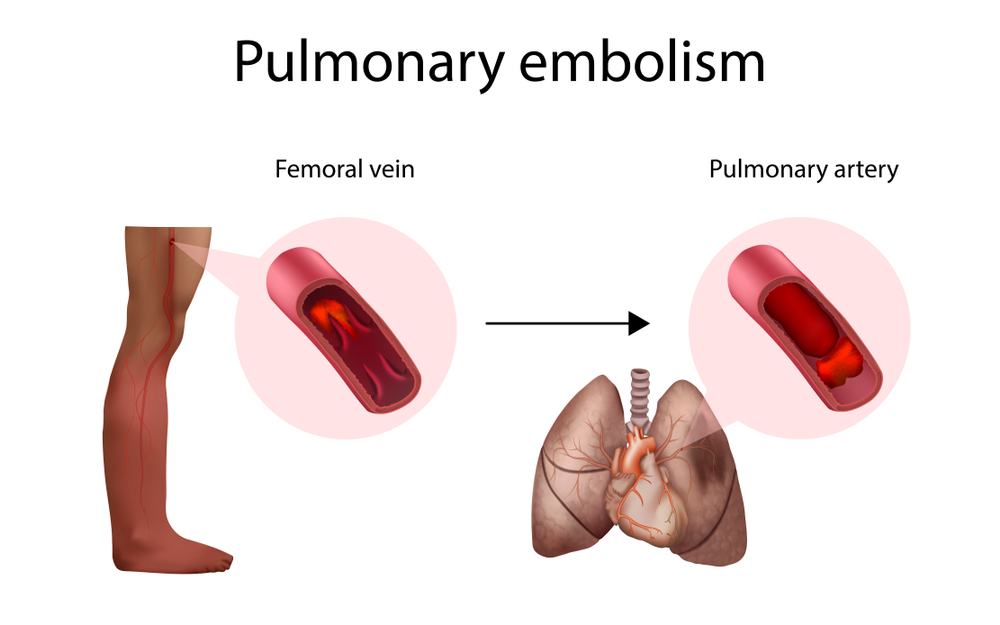
A pulmonary embolism (PE) is a serious medical condition that occurs when a blood clot, usually from a deep vein in the leg, travels to the lungs and blocks an artery. This blockage can be life-threatening, but prompt diagnosis and treatment can significantly improve the outcome. Understanding the pulmonary embolism causes and risk factors, as well as recognizing the common pulmonary embolism symptoms, is crucial for prevention and early intervention. This guide provides a comprehensive overview of what you need to know about this critical vascular issue. If you have concerns, consulting a professional is always the best course of action. Get a consultation with the best vascular disease specialists in Brooklyn.
What Causes a Pulmonary Embolism?
The most common cause of a pulmonary embolism is a deep vein thrombosis (DVT). DVT is a condition where a blood clot forms in one of the deep veins of your body, typically in the legs. If a piece of this clot breaks off, it can travel through the bloodstream, pass through the heart, and get lodged in one of the pulmonary arteries in the lungs.
While DVT is the primary trigger, other substances can also travel through the bloodstream and block a pulmonary artery, although these are much rarer. These can include:
- Fat from the marrow of a broken long bone
- Collagen or other tissue
- Part of a tumor
- Air bubbles
Understanding these origins is the first step in recognizing your personal risk profile.
Key Pulmonary Embolism Symptoms to Watch For
The signs of a pulmonary embolism can vary greatly, depending on how much of your lung is involved, the size of the clots, and your overall health—especially whether you have underlying lung or heart disease. Recognizing pulmonary embolism symptoms early is vital for seeking immediate medical attention.
Common Signs and Symptoms
- Shortness of Breath: This symptom typically appears suddenly and always gets worse with exertion.
- Chest Pain: You may feel like you’re having a heart attack. The pain is often sharp and felt when you breathe in deeply, and it can prevent you from taking a deep breath. It can also be felt when you cough or bend over.
- Cough: The cough may produce bloody or blood-streaked sputum.
Other Potential Indicators
- Rapid or irregular heartbeat
- Lightheadedness or dizziness
- Excessive sweating
- Fever
- Leg pain or swelling, or both, usually in the calf, caused by a DVT
- Clammy or discolored skin (cyanosis)
If you experience one or more of these symptoms, especially if they appear suddenly, it’s essential to seek emergency medical care immediately.
Understanding Pulmonary Embolism Causes and Risk Factors
Anyone can develop a pulmonary embolism, but certain factors can significantly increase your risk. A clear understanding of the pulmonary embolism causes and risk factors allows for better preventative care and discussions with your healthcare provider. These risks are often linked to conditions that promote blood clot formation. A vascular health specialist can help assess your specific risk profile.
Medical Conditions
Certain health issues can make your blood more likely to clot, increasing your PE risk.
- Cardiovascular Disease: Heart failure, in particular, makes clot formation more likely.
- Certain Cancers: Some cancers, especially pancreatic, ovarian, and lung cancers, can increase levels of substances that help blood clot. Chemotherapy can also add to the risk.
- Inherited Blood Disorders: Some genetic conditions affect the blood’s ability to clot, making you more vulnerable.
Lifestyle and Situational Risks
Your daily habits and specific situations can also play a major role.
- Prolonged Immobility: Blood clots are more likely to form in your veins during long periods of inactivity. This can include bed rest after surgery, a long flight or car ride, or any situation where you are seated or lying down for extended periods.
- Surgery: Surgery is one of the leading causes of blood clots. Anesthetics used during general anesthesia can contribute to the formation of clots.
- Smoking: Tobacco use affects blood circulation and clotting, predisposing individuals to a higher risk.
- Obesity: Excess weight increases the risk of blood clots, particularly in women who are obese and smoke.
Hormonal Factors
- Estrogen: The estrogen in birth control pills and hormone replacement therapy can increase clotting factors in your blood.
- Pregnancy: The weight of the baby pressing on the veins in the pelvis can slow blood return from the legs, making clots more likely.
When to Seek Professional Help
If you have multiple risk factors or are experiencing potential symptoms, it is vital to consult a medical professional. A vascular health specialist is an expert in diagnosing and treating conditions related to the circulatory system, including DVT and PE. They can provide a thorough evaluation, recommend appropriate diagnostic tests, and develop a personalized treatment plan. For those in the New York area, finding a reputable vascular clinic in Brooklyn can provide access to specialized care and advanced treatment options.
Don’t delay seeking help. Early diagnosis and management are key to preventing serious complications from a pulmonary embolism. Discuss your personal health history and risk factors with a doctor to create a proactive plan for your vascular health. If you are looking for expert care, the team at our vascular clinic in Brooklyn is here to help you manage your health and answer your questions. For any vascular problems, call us on + 1-718-367-2555. The Vascular Disease Specialists at Doral Health & Wellness consistently have outstanding patient satisfaction ratings. The professionals at Doral Health & Wellness Vascular Health Department Brooklyn can improve your health and quality of life because of their vast training and experience. New Yorkers can get the greatest medical and surgical vascular care at Doral Health & Wellness Brooklyn. If you need help, register your information and make direct contact with our doctors at https://yuz88hfiyh7.typeform.com/Doralintake or send an email to info@doralhw.org. Visit us at 1797 Pitkin Avenue, Brooklyn, NY 11212.