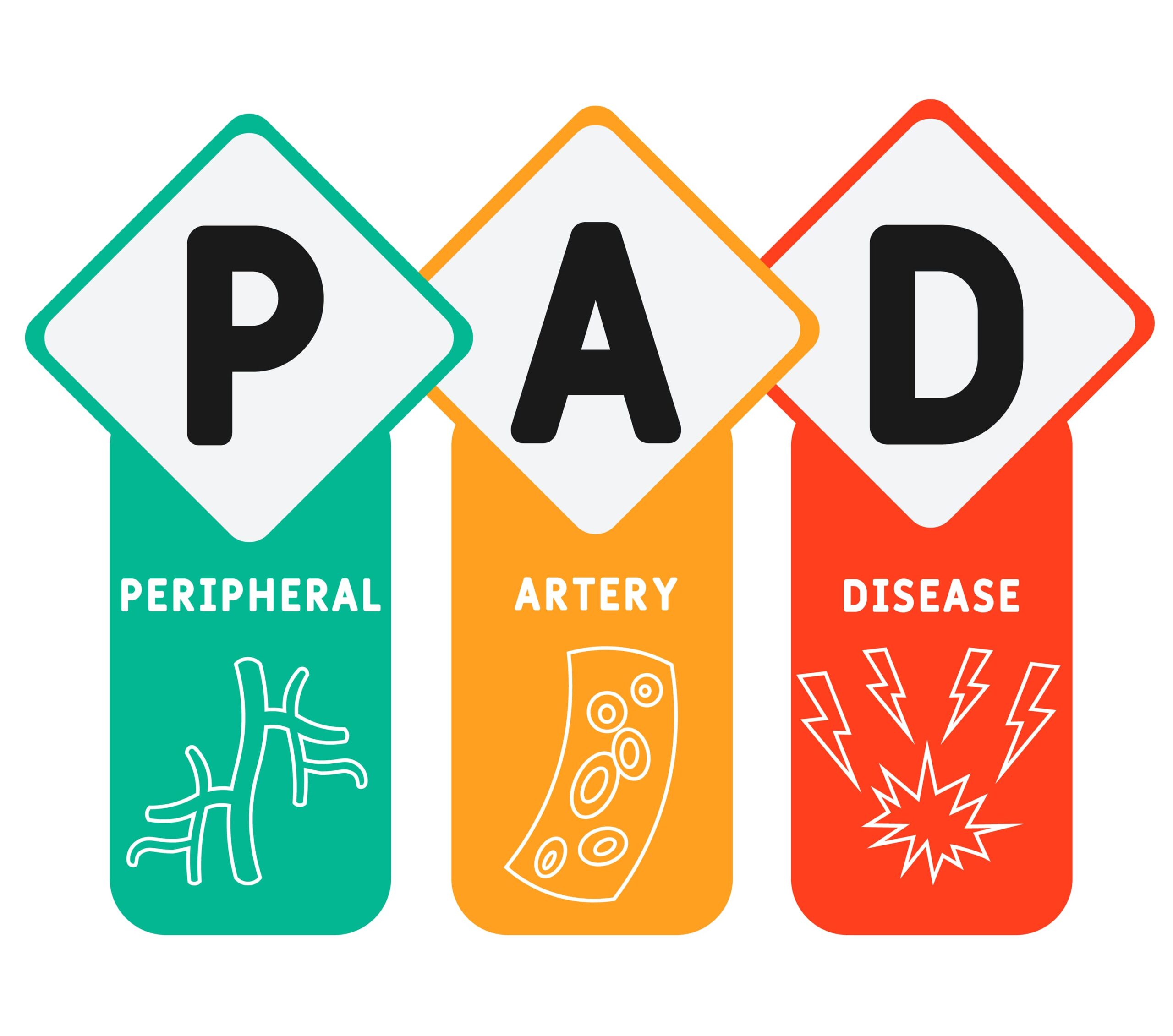
Pain in your legs when you walk that disappears with rest might seem like a normal part of aging, but it can be a warning. This is a classic indicator of Peripheral Artery Disease (PAD), a common but serious circulatory condition. Understanding the signs and symptoms of peripheral artery disease is crucial for early detection and treatment. Many people dismiss these clues, unaware that they point to narrowed arteries reducing blood flow to their limbs. A timely peripheral artery disease diagnosis can prevent severe complications, including limb loss. This article will guide you through what to look for and how this condition is diagnosed. Get a consultation with the best vascular disease specialists in Brooklyn.
Key Signs & Symptoms of Peripheral Artery Disease
PAD develops when plaque builds up in the arteries that carry blood to your head, organs, and limbs. While it can affect any peripheral artery, it most often impacts the legs. The signs & symptoms of peripheral artery disease can be subtle at first, and some people have no symptoms at all.
The Most Common Symptom: Claudication
Claudication is muscle pain or cramping in the legs or arms that is triggered by activity, such as walking, and disappears after a few minutes of rest. The pain can range from mild to severe and is often felt in the calf.
Other Warning Signs to Watch For
Beyond claudication, there are other clues that your limbs are not receiving enough blood flow:
- Leg Numbness or Weakness: A feeling of heaviness or fatigue in the leg muscles.
- Changes in Skin and Nails: The skin on your legs may become shiny, and your toenails may grow slowly.
- Temperature Differences: One lower leg or foot may feel colder than the other.
- Non-Healing Sores: Ulcers or sores on the toes, feet, or legs that are slow to heal or do not heal at all are a serious sign.
- Hair Loss: A noticeable loss of hair on the feet and legs.
- Erectile Dysfunction: In men, this can sometimes be an indicator of arterial disease.
If you experience any of these symptoms, it is important to consult a vascular health specialist.
Peripheral Artery Disease Diagnosis
If your doctor suspects PAD based on your symptoms and a physical exam, several tests can confirm a peripheral artery disease diagnosis. The goal is to assess blood flow in your arteries.
The Ankle-Brachial Index (ABI)
This is the most common initial test for PAD. It is a simple, non-invasive procedure that compares the blood pressure in your ankle with the blood pressure in your arm. A low ABI score indicates that you may have narrowed or blocked arteries in your legs.
Further Diagnostic Tools
If the ABI results are unclear or if more detail is needed, your doctor might order additional tests:
- Doppler Ultrasound: This imaging test uses sound waves to evaluate blood flow and identify blockages or narrowed areas in your arteries.
- Angiography: In this procedure, a special dye is injected into your blood vessels, which allows a vascular health specialist to view blood flow using X-rays or other imaging techniques.
A definitive diagnosis is the first step toward creating a treatment plan. Visiting a specialized vascular health clinic in Brooklyn can provide access to these diagnostic tools and expert care.
Peripheral Artery Disease is more than just leg pain; it is a marker of widespread atherosclerosis that can increase your risk for heart attack and stroke. Recognizing the signs & symptoms of peripheral artery disease and seeking a proper peripheral artery disease diagnosis are critical actions for protecting your health. If you are concerned about your symptoms or have risk factors like diabetes, smoking, or high blood pressure, do not delay. The vascular health specialists are here to provide the comprehensive evaluation and care you need to keep you moving. For any vascular problems, call us on + 1-718-367-2555. The Vascular Disease Specialists at Doral Health & Wellness consistently have outstanding patient satisfaction ratings. The professionals at Doral Health & Wellness Vascular Health Department Brooklyn can improve your health and quality of life because of their vast training and experience. New Yorkers can get the greatest medical and surgical vascular care at Doral Health & Wellness Brooklyn. If you need help, register your information and make direct contact with our doctors at https://yuz88hfiyh7.typeform.com/Doralintake or send an email to info@doralhw.org. Visit us at 1797 Pitkin Avenue, Brooklyn, NY 11212.