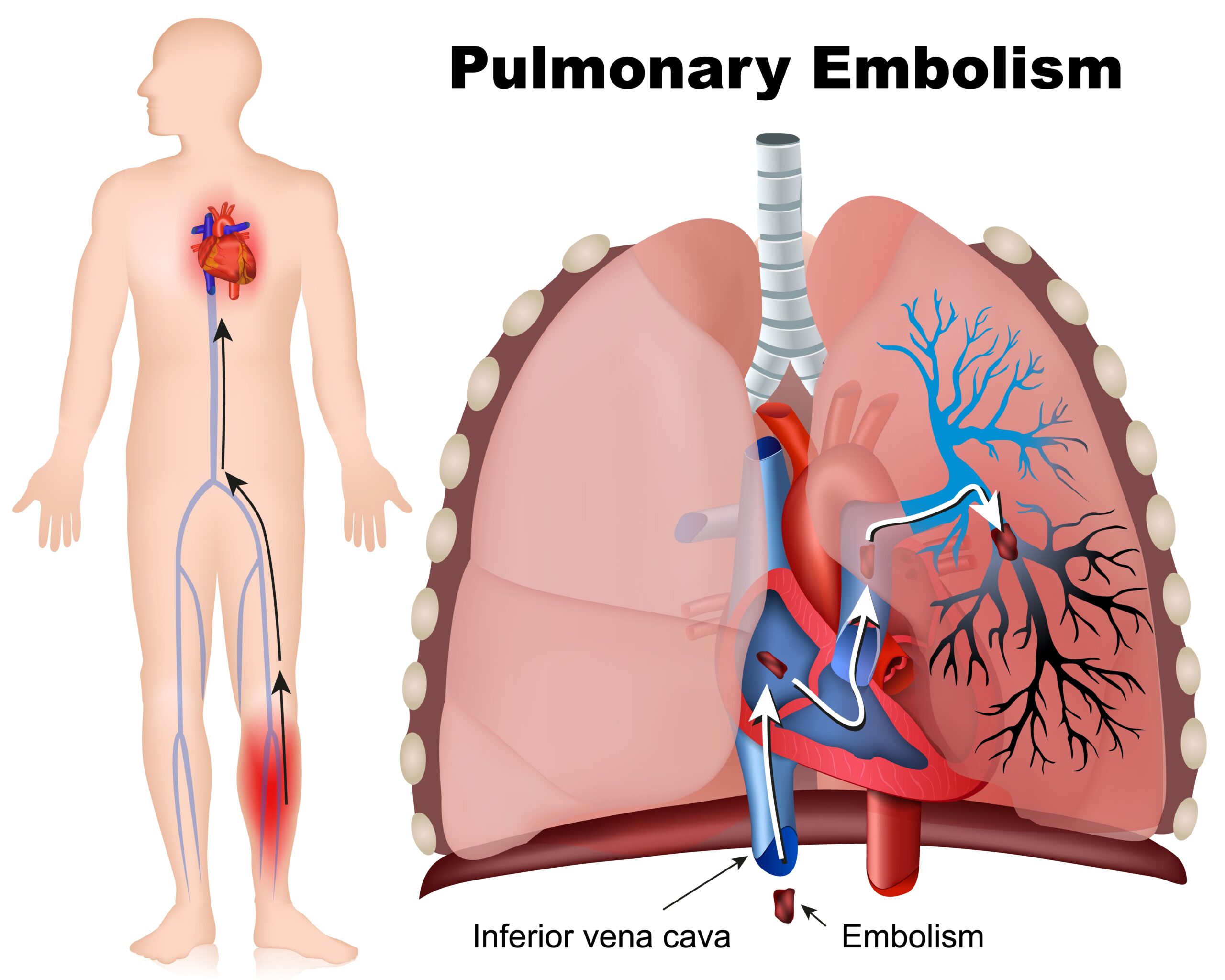
When you think about vascular health, two conditions that might come to mind are blood clots and clogged arteries. While they seem like separate issues, they can be closely related. A pulmonary embolism (PE) is a dangerous blood clot in the lungs, and atherosclerosis is the hardening of arteries due to plaque buildup. Understanding the connection between pulmonary embolism and atherosclerosis is key to recognizing risks and protecting your long-term health. While one doesn’t directly cause the other, they share common risk factors and can create a hazardous environment within your circulatory system. Get a consultation with the best vascular disease specialists in Brooklyn.
The Connection Between Pulmonary Embolism & Atherosclerosis
To grasp the link, it is important to understand each condition. Atherosclerosis develops over many years as cholesterol, fats, and other substances build up in your artery walls, forming plaque. This plaque can cause arteries to narrow and become stiff, restricting blood flow. A pulmonary embolism, on the other hand, typically starts as a deep vein thrombosis (DVT), a clot in a deep vein, usually in the leg. If a piece of this clot breaks off, it can travel through the bloodstream and get stuck in the lungs, blocking blood flow.
How Do They Relate?
The primary link is shared risk factors and the inflammatory processes they both involve.
- Inflammation: Atherosclerosis is an inflammatory disease. This chronic inflammation can make the blood more prone to clotting, increasing the risk of DVT and, consequently, a pulmonary embolism.
- Reduced Mobility: Severe atherosclerosis can lead to peripheral artery disease (PAD), causing leg pain that limits mobility. Long periods of inactivity are a major risk factor for developing DVT.
- Shared Risk Factors: Conditions like high blood pressure, high cholesterol, diabetes, and smoking contribute to both atherosclerosis and an increased risk of blood clots.
Essentially, atherosclerosis creates a state of poor vascular health that fosters an environment where dangerous clots are more likely to form. A vascular health specialist can assess these overlapping risks.
Recognizing Symptoms and When to Seek Help
Knowing the warning signs for both conditions is crucial for early intervention.
Symptoms of Atherosclerosis-Related Conditions (like PAD)
- Leg pain or cramping during exercise that goes away with rest (claudication).
- Coldness in a lower leg or foot.
- Sores on toes, feet, or legs that won’t heal.
Symptoms of a Pulmonary Embolism
A pulmonary embolism is a medical emergency. If you experience these symptoms, seek help immediately.
- Sudden shortness of breath.
- Sharp chest pain that worsens with a deep breath.
- A cough that may produce bloody mucus.
- Rapid or irregular heartbeat.
If you have risk factors for atherosclerosis and are concerned about your vascular health, consulting a professional is a wise step. The Doral Health & Wellness Vascular Health Department in Brooklyn provides comprehensive screenings.
Prevention and management are key to reducing the risks associated with both conditions. A vascular health specialist can help create a personalized plan, but general guidelines include:
- Lifestyle Changes: Adopt a heart-healthy diet, engage in regular physical activity, and stop smoking.
- Medication Management: Taking prescribed medications to control blood pressure, cholesterol, and blood sugar.
- Regular Check-ups: Visiting your doctor or a specialist for regular monitoring of your vascular health.
For those in New York, a vascular health clinic in Brooklyn offers access to advanced diagnostic tools and expert care to manage these complex conditions effectively.
While a pulmonary embolism is not a direct result of atherosclerosis, the two are linked through shared risk factors and underlying inflammation. Managing the health of your arteries through a healthy lifestyle and medical guidance is one of the best ways to reduce your overall risk for dangerous clotting events. If you have concerns about your circulation or risk factors, do not hesitate to seek professional advice. Our vascular health specialists are here to provide the expert care you need to maintain a healthy circulatory system. For any vascular problems, call us on + 1-718-367-2555. The Vascular Disease Specialists at Doral Health & Wellness consistently have outstanding patient satisfaction ratings. The professionals at Doral Health & Wellness Vascular Health Department Brooklyn can improve your health and quality of life because of their vast training and experience. New Yorkers can get the greatest medical and surgical vascular care at Doral Health & Wellness Brooklyn. If you need help, register your information and make direct contact with our doctors at https://yuz88hfiyh7.typeform.com/Doralintake or send an email to info@doralhw.org. Visit us at 1797 Pitkin Avenue, Brooklyn, NY 11212.