
Receiving a diagnosis of heart failure can feel overwhelming, but understanding the condition and the available treatments is a crucial first step toward managing your health. Heart failure doesn’t mean your heart has stopped working; it means it isn’t pumping blood as well as it should. Fortunately, advancements in medicine have led to comprehensive heart failure treatment guidelines that significantly improve quality of life. Following these guidelines and exploring various treatment interventions for congestive heart failure can help manage symptoms, slow the progression of the disease, and allow you to lead a fuller, more active life. This guide will walk you through the key aspects of managing this condition, from lifestyle changes to advanced medical procedures. Get a consultation with the best cardiologists in Brooklyn.
Understanding Congestive Heart Failure
Congestive heart failure (CHF) is a chronic condition where the heart muscle struggles to pump blood efficiently. This inefficiency can cause blood and fluid to back up into the lungs, legs, and other tissues, leading to symptoms like shortness of breath, fatigue, and swelling (edema). Management is a long-term process that often involves a dedicated medical team, including a specialized cardiologist. The primary goals are to ease symptoms, improve heart function, and enhance your overall well-being.
The Role of Diagnosis and Monitoring
Before starting treatment, a thorough diagnosis is essential. Your doctor will use several tests to confirm heart failure and determine its severity and underlying cause. These may include:
- Echocardiogram: An ultrasound of the heart to see how it’s pumping.
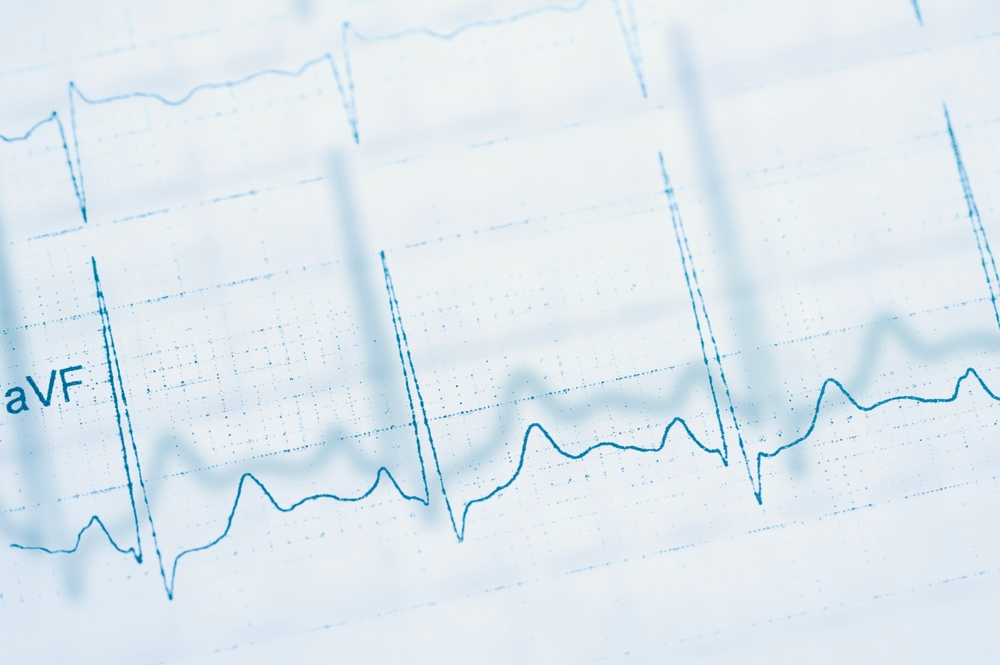
- Electrocardiogram (ECG or EKG): Records the heart’s electrical activity.
- Blood Tests: To check for substances that indicate heart stress.
- Stress Tests: To see how your heart performs under physical exertion.
Once diagnosed, regular monitoring at a specialized facility, like a cardiology clinic in Brooklyn, becomes a key part of your care plan. This allows your medical team to track your progress and adjust treatments as needed.
Core Treatment Interventions for Congestive Heart Failure
Modern approaches to managing CHF are multifaceted, combining medication, lifestyle adjustments, and in some cases, medical devices or surgery. The heart failure treatment guidelines developed by leading cardiology organizations provide a clear framework for this comprehensive care.
Medications: The First Line of Defense
Medications are the cornerstone of most heart failure treatment plans. A cardiologist will typically prescribe a combination of drugs tailored to your specific condition. Common classes of medications include:
- ACE Inhibitors, ARBs, and ARNIs: These drugs relax blood vessels to lower blood pressure, making it easier for the heart to pump.
- Beta-Blockers: They slow the heart rate and reduce blood pressure, which can improve the heart’s structure and function over time.
- Diuretics (Water Pills): These help reduce fluid buildup in the body, easing swelling and shortness of breath.
- SGLT2 Inhibitors: A newer class of drugs, originally for diabetes, that has shown significant benefits in reducing the risk of hospitalization and death for people with heart failure.
Lifestyle and Dietary Changes
Your daily habits play a powerful role in managing heart failure. Adopting a heart-healthy lifestyle can dramatically reduce symptoms and slow the disease’s progression. Key recommendations include:
- Sodium Restriction: Limiting salt intake helps prevent fluid retention and reduces strain on the heart.
- Fluid Management: Your doctor may advise you to limit your daily fluid intake.
- Regular Physical Activity: Gentle, regular exercise like walking or cycling, as approved by your doctor, can strengthen your heart and improve your overall fitness.
- Weight Management: Maintaining a healthy weight reduces the workload on your heart. Daily weight monitoring can also help detect fluid buildup early.
- Avoiding Alcohol and Smoking: Both can weaken the heart and interfere with medications.
Advanced Treatment Options
For some individuals, medications and lifestyle changes may not be enough to control symptoms. In these cases, advanced treatment interventions for congestive heart failure may be considered.
Medical Devices and Surgical Procedures
When heart function is severely compromised, your doctor might recommend a medical device or surgical intervention. These options often require consultation at a specialized cardiology clinic in Brooklyn or a similar advanced care center.
- Implantable Cardioverter-Defibrillator (ICD): This small device is implanted in the chest to monitor heart rhythm. If it detects a dangerous, irregular rhythm, it delivers an electrical shock to restore a normal heartbeat.
- Cardiac Resynchronization Therapy (CRT): Also known as biventricular pacing, this involves implanting a special pacemaker that helps the heart’s chambers beat in a more coordinated and efficient manner.
- Ventricular Assist Devices (VADs): These are mechanical pumps implanted to help a weakened heart pump blood to the rest of the body. They can be a bridge to a heart transplant or a long-term solution.
- Heart Transplant: For patients with end-stage heart failure, a heart transplant may be the ultimate treatment option.
Living with heart failure requires a proactive approach and a strong partnership with your healthcare team. By understanding the available treatments and adhering to the established heart failure treatment guidelines, you can effectively manage your condition. Regular communication with your care providers, consistent medication use, and commitment to a healthy lifestyle are your most powerful tools.
If you have been diagnosed with heart failure or are experiencing symptoms, seeking expert care is the most important step. Our cardiologists are dedicated to providing comprehensive and compassionate care, offering the latest diagnostic tools and treatment options to help you on your journey to better health. For any cardiovascular problems, call us on +1 718 367 2555. The Cardiologists at Doral Health & Wellness consistently have outstanding patient satisfaction ratings. If you need help, register your information at https://yuz88hfiyh7.typeform.com/Doralintake. The professionals at Doral Health & Wellness Cardiology Brooklyn can improve your health and quality of life because of their vast training and experience. New Yorkers can get the best cardiovascular care at Doral Health & Wellness Brooklyn. Visit us at 1797 Pitkin Avenue, Brooklyn, NY 11212.



