
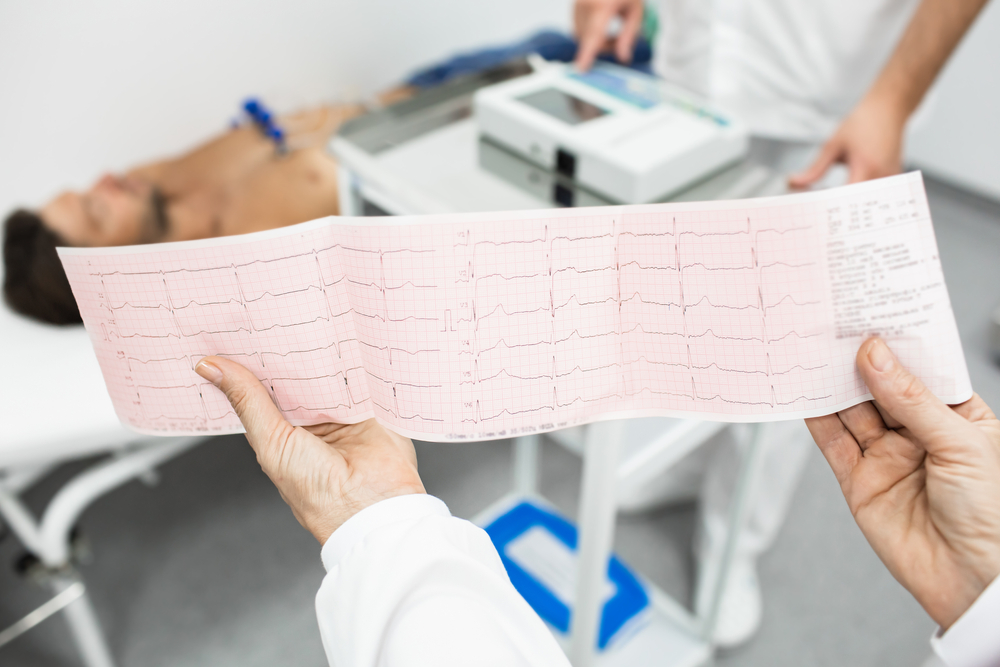
If your doctor has recommended an electrocardiogram, you might feel a bit apprehensive. However, this common, non-invasive test is one of the most useful tools for checking your heart’s health. Understanding the straightforward ECG procedure can help ease any concerns and prepare you for your appointment. Learning how to interpret ECG test results with your doctor is key to understanding your cardiovascular wellness. This guide will walk you through the basics of what an ECG is, why you might need one, and what happens during and after the test. Get a consultation with the best cardiologists in Brooklyn.
What Is an Electrocardiogram (ECG)?
An electrocardiogram (often abbreviated as ECG or EKG) is a simple test that records the electrical activity of the heart. With every beat, an electrical impulse travels through your heart, causing the muscle to contract and pump blood. An ECG machine translates these electrical signals into a graph, allowing doctors to analyze your heart’s rhythm and rate.
This test is quick, painless, and completely safe. It provides a snapshot of your heart’s function at a specific moment in time, helping a cardiologist diagnose a wide range of heart conditions.
Why Might You Need an ECG?
A doctor might order an ECG for several reasons. It’s often one of the first tests performed if a heart problem is suspected. Common reasons include:
- Investigating Symptoms: To find the cause of symptoms like chest pain, palpitations (a feeling of a racing or fluttering heart), dizziness, shortness of breath, or fatigue.
- Checking Heart Health: As part of a routine physical, especially if you have risk factors for heart disease, such as high blood pressure, high cholesterol, diabetes, or a family history of heart problems.
- Monitoring Existing Conditions: To track the effectiveness of treatments for a known heart condition, such as a previous heart attack or an arrhythmia.
- Pre-Surgery Screening: To ensure your heart is healthy enough to undergo a surgical procedure.
The Simple and Painless ECG Procedure
Understanding the ECG procedure can help you feel more comfortable on the day of your test. The entire process typically takes only about 10 minutes from start to finish.
Preparation
There is usually no special preparation needed for a standard ECG. You can eat and drink normally beforehand. You will be asked to undress from the waist up and will be given a gown or sheet for privacy.
During the Test
- Placing the Electrodes: A technician will attach between 12 and 15 small, sticky patches called electrodes to your chest, arms, and legs. To ensure a good connection, they may need to shave small patches of hair.
- Connecting the Wires: Lead wires are clipped onto the electrodes. These wires connect to the ECG machine.
- Recording: You will be asked to lie still and breathe normally. It is important to remain quiet and not talk during the recording, as movement can interfere with the results.
- Completion: The machine will record your heart’s electrical activity for a few minutes, printing out the results on graph paper or displaying them on a screen. Once the recording is complete, the technician will remove the electrodes.
The entire process is painless. You will not feel any electricity, as the electrodes only record the signals from your body; they do not emit any.
Understanding Your ECG Test Results
After the test, a doctor, usually a cardiologist, will analyze the recorded tracing. The wavy lines on the graph represent different phases of your heartbeat. The doctor looks for patterns, irregularities, and specific characteristics in these waves.
Your ECG test results can reveal important information, including:
- Heart Rate: Whether your heart is beating too fast (tachycardia) or too slow (bradycardia).
- Heart Rhythm: It can identify irregular heartbeats, known as arrhythmias.
- Heart Attack: An ECG can show evidence of a previous heart attack or one that is currently in progress.
- Blood and Oxygen Supply: It can indicate if there is poor blood flow to the heart muscle (ischemia).
- Structural Abnormalities: The results might suggest issues like an enlarged heart or other structural problems.
It’s important to remember that a normal ECG doesn’t always rule out a heart problem. Some conditions may not be apparent on a single, brief recording. If your symptoms come and go, your doctor might recommend a portable ECG monitor (like a Holter monitor) that you wear for 24 hours or longer.
When to See a Specialist
If your primary care doctor has concerns about your ECG results, they will refer you to a heart specialist. A cardiologist has the advanced training needed to interpret complex ECGs and recommend further testing or treatment. If you are looking for an expert in New York, finding the best cardiologist in Brooklyn is a crucial step toward getting specialized care. They can provide a comprehensive evaluation and create a personalized plan to manage your heart health. A skilled specialist will take the time to explain your results and answer all your questions.
A Vital Tool for Heart Health
The electrocardiogram is a fundamental, yet powerful, tool in modern medicine. The simple and non-invasive ECG procedure provides a wealth of information about your heart’s electrical system, helping doctors diagnose and monitor a variety of conditions. While waiting for your ECG test results can be stressful, understanding the process can empower you. If you have any concerns about your heart health or your ECG results, don’t hesitate to speak with your doctor or seek a referral to a specialist. For those in the area, consulting with the best cardiologist in Brooklyn can provide peace of mind and expert guidance. For any cardiovascular problems, call us on +1 718 367 2555. The Cardiologists at Doral Health & Wellness consistently have outstanding patient satisfaction ratings. If you need help, register your information at https://yuz88hfiyh7.typeform.com/Doralintake. The professionals at Doral Health & Wellness Cardiology Brooklyn can improve your health and quality of life because of their vast training and experience. New Yorkers can get the greatest medical, surgical, and cardiovascular care at Doral Health & Wellness Brooklyn. Visit us at 1797 Pitkin Avenue, Brooklyn, NY 11212.