
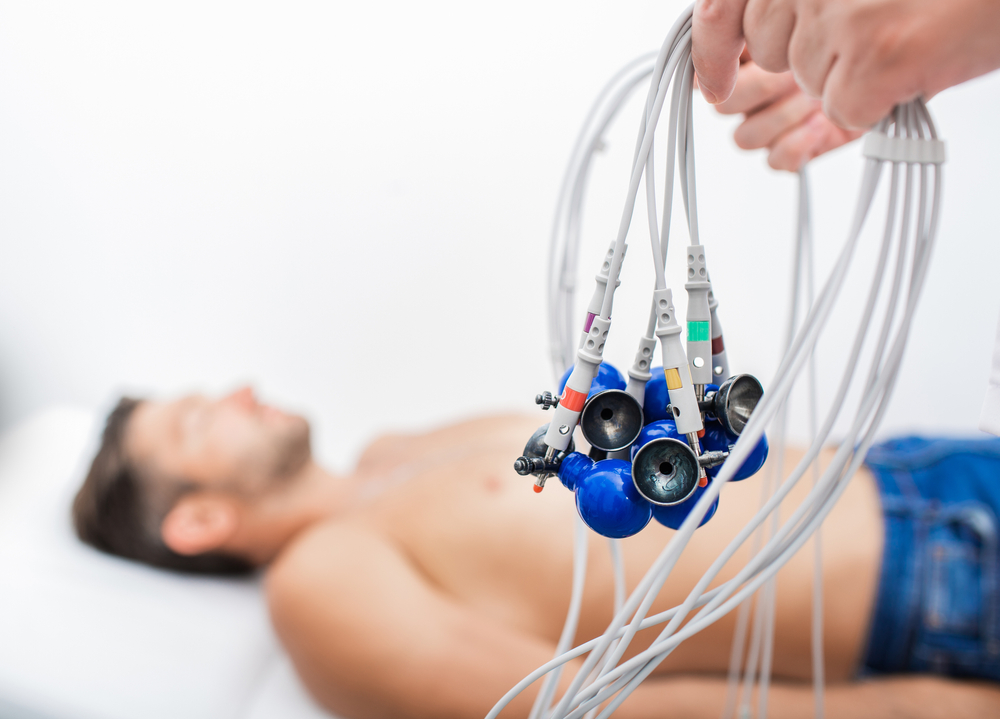
If your doctor has recommended an electrocardiogram (ECG or EKG), it’s natural to feel a bit curious or even nervous about what to expect. The good news is that it’s one of the simplest and most common tests for checking heart health. This step-by-step guide for the electrocardiogram procedure will walk you through the entire process, from preparation to what happens after. Knowing what to expect can help you feel at ease and understand how this quick, painless test provides valuable information for your doctor, who will later explain your ECG test results. Get a consultation with the best cardiologists in Brooklyn.
Before the Procedure
One of the best things about a standard ECG is that it requires almost no special preparation on your part. You can typically eat and drink as you normally would before the test.
It’s a good idea to wear comfortable, loose-fitting clothing that is easy to remove. You’ll be asked to undress from the waist up, so a two-piece outfit is often more convenient than a one-piece dress or jumpsuit. Also, avoid applying oily or greasy lotions to your chest on the day of the test, as this can make it harder for the electrodes to stick to your skin.
A Step-by-Step Guide for the Electrocardiogram Procedure
The entire ECG test usually takes no more than 10 minutes. A technician or nurse will typically perform the procedure, which a cardiologist will later review. Here’s what you can expect.
Step 1: Getting Ready
You’ll be led to a private room and asked to remove your clothing from the waist up. You will be provided with a hospital gown or a sheet to cover yourself. You will then lie down comfortably on an examination table or bed. The technician will explain what they are doing to ensure you feel comfortable.
Step 2: Attaching the Electrodes
The core of the ECG procedure involves placing small, sticky patches called electrodes on your body. The technician will attach between 12 and 15 of these electrodes to specific locations on your chest, arms, and legs.
In some cases, the technician may need to shave small areas of hair where the electrodes are placed to ensure they make good contact with the skin. This helps the machine get a clear and accurate reading. While it might feel a little strange, the process is quick and painless.
Step 3: The Recording Phase
Once the electrodes are in place, they are connected via lead wires to the ECG machine. At this point, the technician will ask you to lie very still and breathe normally. It’s important to remain quiet and relaxed, as moving, talking, or shivering can interfere with the electrical signals and affect the quality of the recording.
The machine does all the work. It detects the natural electrical impulses generated by your heart with each beat and records them as a series of wavy lines on a moving strip of paper or a digital screen. You will not feel anything during the recording, as the machine only records activity—it does not send any electricity into your body. This part of the test usually lasts less than a minute.
Step 4: Finishing Up
Once the recording is complete, the technician will disconnect the wires and gently remove the electrodes. You can then get dressed. The sticky residue from the electrodes usually comes off easily, but you can wipe it away if needed. After that, you are free to go about the rest of your day with no restrictions or recovery time needed.
After the Test: Understanding Your ECG Test Results
The printed or digital tracing from your ECG is a visual representation of your heart’s electrical activity. A doctor, typically a cardiologist, will analyze this tracing to check for important information about your heart.
What can the ECG test results show?
- Heart Rate: How fast or slow your heart is beating.
- Heart Rhythm: Whether your heartbeat is steady or irregular (an arrhythmia).
- Evidence of a Heart Attack: An ECG can show signs of a past heart attack or one that is currently happening.
- Ischemia: It can indicate if the heart muscle isn’t getting enough oxygen due to poor blood flow.
- Structural Issues: The results may suggest whether parts of the heart are enlarged or overworked.
Your primary doctor will usually discuss the results with you at a follow-up appointment. A normal result is reassuring, but it’s important to know that an ECG is just a snapshot in time. If you have symptoms that come and go, they might not be captured during the brief test. In such cases, your doctor may recommend further monitoring.
If your ECG results show any abnormalities, your doctor will likely refer you to a heart specialist. Finding the best cardiologist in Brooklyn or your local area is essential for getting expert interpretation and care. A cardiologist can determine if more tests are needed and will create a personalized treatment plan based on a comprehensive evaluation of your heart health. If you have ongoing concerns, seeking an opinion from the best cardiologist in Brooklyn can provide clarity and peace of mind.
The electrocardiogram is a fundamental tool for assessing heart health. This step-by-step guide for the electrocardiogram procedure shows just how simple, quick, and painless the process is. By recording your heart’s electrical signals, this test provides vital information that helps your doctor make informed decisions about your care. If you have an upcoming ECG, you can now feel confident knowing exactly what to expect. And remember, discussing your ECG test results with a trusted medical professional is the most important final step. For any cardiovascular problems, call us on +1 718 367 2555. The Cardiologists at Doral Health & Wellness consistently have outstanding patient satisfaction ratings. If you need help, register your information at https://yuz88hfiyh7.typeform.com/Doralintake. The professionals at Doral Health & Wellness Cardiology Brooklyn can improve your health and quality of life because of their vast training and experience. New Yorkers can get the greatest medical, surgical, and cardiovascular care at Doral Health & Wellness Brooklyn. Visit us at 1797 Pitkin Avenue, Brooklyn, NY 11212.