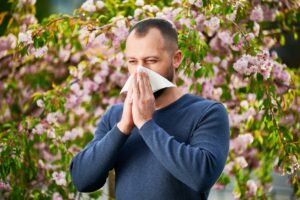

If you suffer from seasonal allergies, you may have noticed your symptoms getting worse over the years. You are not just imagining it. The sneezing, itchy eyes, and runny nose are lasting longer and feeling more intense for many people. A growing body of evidence points to a significant connection between a warming planet and worsening allergy seasons. Understanding the real impact of climate change on your seasonal allergies is key to recognizing why your symptoms are changing and how to find effective relief. This shift is making it more important than ever to manage symptoms, sometimes with the help of a professional allergist. At Doral Health & Wellness, we have all the answers you need.
How Climate Change Supercharges Allergy Season
The link between a changing climate and more severe allergies is not a coincidence. Several specific environmental changes are directly responsible for longer, more potent pollen seasons. These factors combine to create a more challenging environment for allergy sufferers.
Longer Frost-Free Seasons
One of the most direct effects of a warming planet is a longer growing season. Warmer temperatures arrive earlier in the spring and last longer into the fall. Studies have shown that the frost-free season in many regions has extended by several weeks. This means that pollen-producing plants, like trees, grasses, and weeds, have a much longer window to grow, flower, and release their pollen into the air. An earlier start to spring pollen and a later end to fall pollen mean allergy season can now stretch for most of the year.
Higher Carbon Dioxide Levels
Plants use carbon dioxide (CO₂) for photosynthesis, the process they use to create food and grow. Increased levels of CO₂ in the atmosphere, a primary driver of climate change, act like a fertilizer for many plants. Research indicates that higher CO₂ concentrations can cause plants, especially notorious allergen producers like ragweed, to grow larger and produce significantly more pollen per plant.
More Potent “Super Pollen”
It’s not just the quantity of pollen that is increasing; the quality is changing, too. The same higher CO2 levels that boost pollen production can also increase the potency of the pollen itself. Some studies suggest that this “super pollen” contains higher concentrations of the specific proteins that trigger allergic reactions in humans. This means that even exposure to the same amount of pollen might cause a more severe reaction than it would have in the past. These more intense climate change allergy symptoms can be particularly difficult to manage.
Worsening Climate Change Allergy Symptoms
The result of longer, more intense pollen seasons is a noticeable increase in the severity and duration of allergy symptoms for many people. If you’re experiencing any of the following, climate change might be a contributing factor:
- Earlier Onset of Symptoms: Sneezing and itchy eyes starting in late winter or early spring, weeks earlier than they used to.
- More Intense Reactions: Your usual over-the-counter medication may no longer be as effective at controlling your symptoms.
- Longer-Lasting Discomfort: Symptoms that drag on well into the fall, long after you expected them to subside.
- New or Worsening Asthma: High pollen counts are a major trigger for allergic asthma. The increased pollen in the air can lead to more frequent or severe asthma attacks in susceptible individuals.
How to Manage Worsening Seasonal Allergies
While you cannot stop climate change on your own, you can take proactive steps to manage its effects on your health. A qualified allergist can help you develop a personalized plan.
- Track Pollen Counts: Pay attention to local pollen forecasts. On days with high counts, try to stay indoors as much as possible, especially during peak pollen times (usually mid-morning). Keep windows closed and use air conditioning.
- Rinse Off: After spending time outside, change your clothes and shower to rinse pollen from your skin and hair.
- Use an HEPA Filter: High-efficiency particulate air (HEPA) filters in your home’s HVAC system or in a portable air purifier can help remove pollen from the indoor air.
- Review Your Medications: If your current allergy medications are not providing enough relief, it may be time to try something different. Consult your doctor or a specialist at an immunology clinic in Brooklyn about prescription-strength antihistamines, nasal corticosteroid sprays, or other treatment options.
- Consider Immunotherapy: For severe, persistent allergies, allergen immunotherapy (allergy shots or under-the-tongue tablets) can be a highly effective long-term solution. This treatment works by gradually desensitizing your immune system to specific allergens.
The real impact of climate change on your seasonal allergies is clear: longer seasons, more pollen, and more potent allergens are leading to increased suffering for millions. By understanding this connection, you can take informed steps to protect your health. If you find your symptoms are becoming unmanageable, you do not have to suffer through them. Seeking professional help can make a significant difference. Scheduling a consultation at a reputable immunology clinic in Brooklyn can provide you with an accurate diagnosis and a comprehensive treatment strategy to help you breathe easier, no matter what the season brings. Call us on + 1-718-367-2555 to book your appointment now to receive the best-in-class treatment that helps manage your allergies for a better life. Take action now, before it’s too late! If you need help, register your information at https://yuz88hfiyh7.typeform.com/Doralintake. Or visit us at 1797 Pitkin Avenue, Brooklyn, NY 11212.